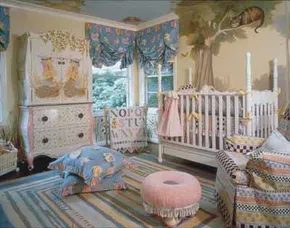
Designing a room for your child can be both fun and stressful. We want it to be a sanctuary that supports our children’s development, but it also has to work for our budget and our sanity. Every child is different. Their needs shift from the peace of the cramped crib to the chaotic energy of the toddler’s play area to the privacy needs of the teenager’s room. The room must evolve with them.
This guide tells about important things. We are talking about concrete steps, safety first and budget-friendly style. Let’s get started.
Define the core elements of the children’s room interior
Comfort, style and functionality are more than just buzzwords. These are the three elements that keep the room functional. If you keep these three pillars in mind, you won’t get lost in trends.
Start with the layout. Is it possible to move the furniture? Is there enough floor space to play? If your room is too cluttered, your imagination will stop. If the room is too empty, people will feel cold. Find a middle ground.
Your child’s space should reflect their personality, not be too crowded. Use a neutral base such as paint, a large rug or bed frame and add a pop of color with accessories. This way you can easily update the look as you grow.
How to design a safe and stylish children’s room
No matter how clean your room is, it doesn’t matter if it’s not safe. Children are unpredictable. They climb, jump and explore. This must be taken into account in design choices.
Let’s start with the big thing. Secure heavy furniture to the wall. Chest of drawers and bookshelves can easily topple over. Use a anti-tip kit. They are cheap, so you can’t afford to compromise.
Next we look at the window. Wireless blinds are essential. If the rope breaks, there is a risk of strangulation. Choose from motorized shades or wireless options.
Next, consider the floor. Hard surfaces are easier to clean, but can be hard on your knees. The non-slip mat provides cushioning and warmth. Be careful not to trip on the carpet.
Finally, lighting is also important. Ceiling lighting can be difficult. Use soft, adjustable lighting when you go to sleep. A warm night light can help you fall asleep without interfering with melatonin production.
“Safety is not an afterthought. It is the basis of good planning.”
Basic safety tips for decorating children’s rooms
One can never be too careful. This is where most parents make a mistake.
**Electrical outlets. Cover them all. Even if you think your child is too young to put your finger in it. they grow very fast. Use sliding lids that require both hands to open or lids that are difficult to use with the little finger.
**Small items. ** The danger of suffocation is a big threat to small children. Keep beads, small toys and decorations out of reach. It is dangerous if it gets inside the airway.
Toxic substances. When choosing paints, stains and adhesives, consider low VOC (volatile organic compounds) labels. Off-gas chemicals made from these materials can remain in the air for several months. Make sure the room is well ventilated during and after painting.
**Sharp corners. ** The corner protectors are inexpensive plastic parts. Attach it to a coffee table, bedside table or bed frame. You don’t want to go to the emergency room with a head injury.
A step-by-step guide to decorating a children’s room
Decorating can seem like a big project. Break it down.
- **Leave a space. ** Delete all. Clean the walls. Check the electrical plug.
- **Plan your layout. ** Measure the size of the room. Sketch it out. Where did the bed go? Where is the playground? Leave room for growth. The crib may need to be converted to a double bed within three years. Start planning this transition now.
- **Set the tone. ** Choose colors that are light and airy. Makes a small room feel bigger and brighter. You can use dark colors on dark walls to create a focal point.
- **Install fixtures. ** Lamps, blinds and shelves. Do this before the furniture to avoid accidents.
- **Add furniture. ** Choose furniture that is sturdy and durable. Solid wood is better than chipboard. It lasts a long time and can be repaired if damaged.
- Accessories. More textiles, art and toys. Keep it simple. You can always add content later.
Decorating ideas for a baby’s room
The nursery values calmness. Babies sleep most of the time. The design should encourage rest.
Use soothing colors. Soft blue, green and gray tones are easy on the eyes. Avoid overly stimulating patterns. Striped and high-contrast images can be used in small doses for visual development, but too many can lead to overstimulation.
Functionality is key. I wake up at night. Change diapers. I fall asleep rocking. Make sure the changing table is within reach. Keep diapers, wipes and creams in easily accessible drawers or bins.
Invest in a good bed mattress. It should be firm and even. There is a reason why safety standards are so strict. Check returns regularly.
Add blackout curtains. The baby sleeps well. You want to sleep peacefully day and night.
Toddler bedroom decorating ideas
“Terrible twos” brings new challenges. Children can move easily. They are curious. They test the limits.
Place the hanging rod in the cabinet. Let’s dress them up. This promotes independence.
Choose durable fabrics. Fabric, cotton and leather are easier to care for than velvet or silk. Spills happen. you can clean up


