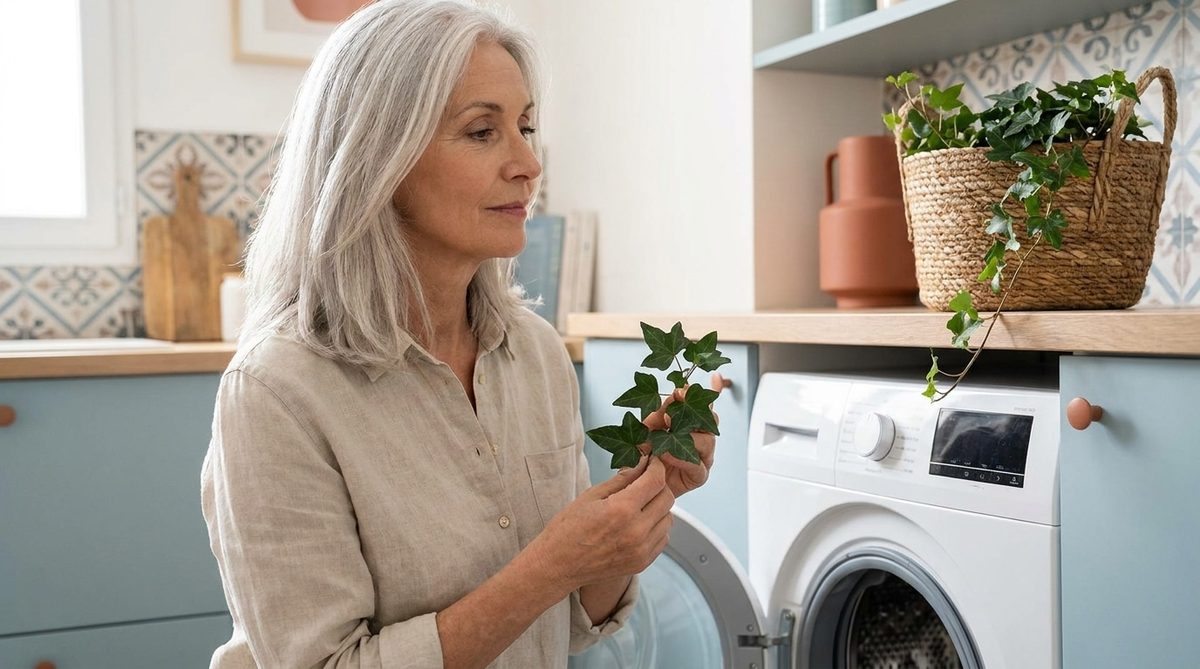
It’s everywhere. Ivy quietly climbed over the fence. It stretches along the brick wall. Attached to the trunk of an old tree. Most consider it a decoration. Or it’s a nuisance. Rarely as a utility.
But its tough leaves hold this family secret. It is a natural, free and incredibly effective “laundry soap”. We have used this for generations. Now in an age where chemical detergents are expensive and have strong scents, they are making a comeback. The method is very simple. steep leaves. Strain. Pour. Let nature take its course. But you need to know why it works. You need the right recipe. And you need to know which fabrics are reliable.
Why Ivy works as a natural detergent
This is not magic. This is a chemical reaction, but a gentle one. Ivy leaves contain saponins. These plant compounds react with water to create a mild cleansing effect. Helps to remove dirt from the fibers. It keeps dirt suspended so it can be easily washed off.
As a result, a synthetic “clean” fragrance is not produced. It feels fresh. Perfect for everyday use. Think T-shirts, pajamas and basics. Don’t expect it to be as effective as a strong stain remover for old oil stains. That sweet spot is a routine cycles. It shines at 30 to 40 °C. This temperature is recommended by many experts to save energy and protect the integrity of the fabric.
Recipe: Soak, Strain and store
No need for a chemistry lab. All you need is logic. Extract saponin. Filter off the solids. Avoid clogging the machine. This is a solid benchmark for liquid detergents.
- 50 ivy leaves (about 25-30 g, washed)
–1 liter of water
–Cauldron with a lid - Clean a 1 liter jar or bottle
–Fine sieve
–Clean cloth or coffee filter
Roughly tear the leaves. This exposes more surface area. Soak it in water. Bring to a boil. Then turn off the heat. Please cover up. Make it steep. A few hours is enough. It is best to leave it overnight for extraction.
Filter twice. Put it through a strainer first. Then pass it through a cloth or filter to get a smooth liquid. Cleanliness is important here. Use sterile containers. Do not leave this mixture at room temperature for too long. It spoils faster than commercial detergents. Keep it cool. Produces small batches. If it smells weird or looks weird, throw it away. Don’t risk your clothes.
Machine Settings and Dosage
It is very easy to use in the washing machine. Pour like liquid soap. For normal soil, use about 150ml per load.
Place it in the dispenser compartment. This follows the machine’s cycle logic. If the box is blocked or the machine is finicky, use a dosing cup that feeds directly into the drum. Adjust as needed. Less is needed for lightly soiled items. Heavy or hard water may require more water and extra rinse.
Need a boost? Add a little white vinegar to the fabric softener tank. Helps wash away and prevent dull gray film. If it is white, you can brighten it by adding a little percarbonate. Pre-treat certain stains with a stain remover. Don’t expect ivy wash to solve all your problems right from the start.
Which fabrics are safe for Ivy Laundry?
Natural soap for everyday use. T-shirt. underwear. pajamas. sheet. towel. dust cloth. Perfect for cotton, linen and most synthetic fibers. Washing these items regularly can make a big difference.
Be cautious with heavily stained clothes. Or yellowed white. Mild soaps can leave some gray marks over time if you don’t use a booster or if they are not carefully screened. Odors? Old sweats and forgotten workout clothes require a different strategy. Please soak. If the fabric allows, wash at a higher temperature. Ivy mixture alone may not remove deep-seated odors.
For baby clothes, if the rinse is thorough. A baby’s skin is very sensitive. This is unscented. But test first. Skip wool and silk. These sensitive fibers do not like pH changes and rough handling. Use a specialized detergent
Ivy is there. The pot is ready. The question is: will you trade convenience for simplicity?
Safe ivy harvesting: a clean start
Start with the right plants. You are looking for common ivy, Hedera helix. It clings to walls and hedges. The leaves are shiny and waxy. They have distinct lobes. It’s easy to find. Finding safe leaves is harder.
Avoid curbs. Traffic fumes settle on the foliage. Avoid areas near construction sites. There is also dust and chemical sprays. You want clean leaves. Look for places that look healthy. There is no yellowing. There are no strange stains.
Wash well. Use clean water. Rinse until the water runs clear. This removes sand and any impurities. You don’t need perfect leaves. You need fresh ones. Cut moderately. Pick here and there. Do not strip a branch bare. Ivy provides shelter for small wildlife. Leave them enough.
Wear gloves. Ivy sap can irritate sensitive skin. This is not a significant risk, but why take the chance? Check your handful for debris. Shake the bugs off. Remove leaves that are too dirty to wash.
Turn the leaves into laundry soap
Once the leaves are clean, the process is simple. You are making liquid laundry detergent. It starts with an infusion. Simmer the leaves in water. Carefully strain the mixture. The liquid should be clear enough to pour.
Dosage is important. Start small. Test it on a load of whites. Ivy soap works best at low temperatures. Aim 30-40°C. Hot water can cook the natural saponins, reducing their effectiveness. It also consumes more energy.
This solution deals with everyday soil. Even light dirt can be removed. It makes your clothes look fresh. Save money on commercial cleaners. It is good to skip strong perfumes that can stick to the fabric. The scent is very clean. neutral.
Think about what else you can throw away. That weed in the cracks? It might work. The dried flowers from last summer? perhaps. Stop thinking of gardening as a chore. Start thinking of it as a pantry. What other “junk” do you have that you can use to clean your home?


