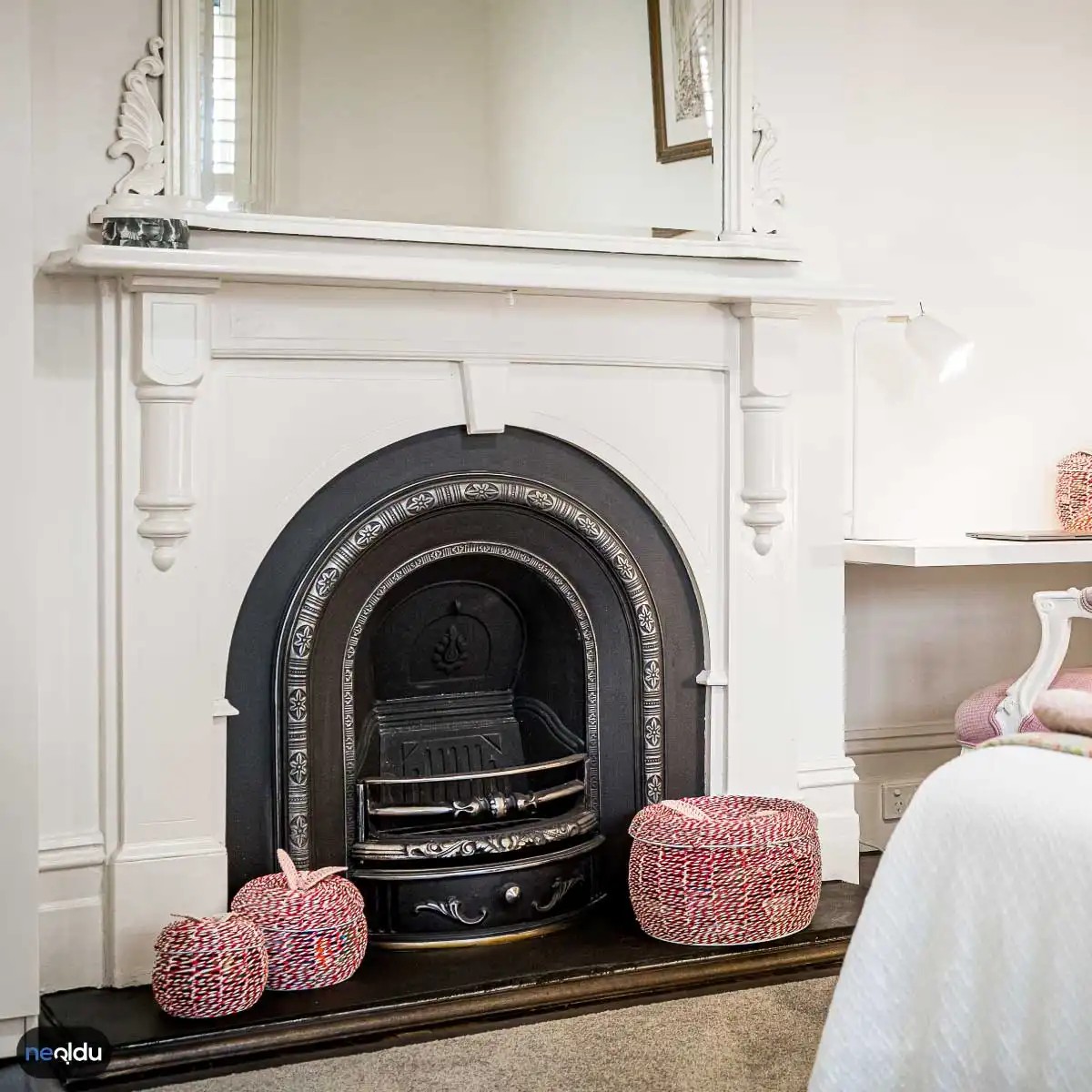
There is nothing more comforting than the crackling sound of a campfire on a cold night. It’s the best comfort. Fireplaces do more heat than a room. It anchors a space. It adds personality. Whether you lean towards rustic charm or sleek modern design, a fireplace can change the overall feel of your home when used correctly.
But choosing the right style is not just a matter of beauty. It’s about creating a warm atmosphere where people feel like you. Do you like the texture of natural stone? Or maybe a minimalist electric insert? This choice determines the personality of the room.
We’ve put together some practical ideas and trends to help you decide. This is not just about throwing pillows on a mantel. It is about structural choices, material choices, and long-term style. Let us break down the fundamentals, let’s go over the basics.
Understand the basic principles of fireplace design
Check your space before you buy anything. Fireplaces are often the focal point of the living room. If it dominates the wall, it must be handled with care. Here are some basic rules to follow when planning renovations and interior updates:
1. Match the Architecture
The fireplace must not conflict with other parts of the house. If you own a mid-century modern home, a heavily decorated Victorian stone setting will look out of place. Rather, an ordinary industrial metal box in a cozy cabin can feel cold.
- Traditional Homes: Consider natural materials such as brick, slate, and limestone. These ages gracefully.
- For modern spaces: Look for clean lines. Smooth marble, painted plasterboard or smooth steel are best.
- ** For Rustic Aims:** Using reclaimed wood beams or rough-hewn stone adds instant texture.
“Fireplaces should feel like an extension of the home’s architecture, not an afterthought.”
2. Scale and proportions are important
The small fireplace inside the huge great room looks lost. A big stone in a small bedroom can make you feel oppressive. You need to balance the fireplace with the volume of the entire room.
If it’s a standard builders grade fireplace, you can change the size by altering the surround. Adding a wide mantel can make a small opening feel bigger and more important. On the other hand, if it feels too imposing, paint the oversized fireplace with a dark color so that it easily disappears into the background.
3. The Mantel is Your Canvas
The mantel shelf is the most versatile part of the fireplace interior. Here you can try on trends without making permanent changes.
- Floating Mantels: Perfect for a modern look. Create a feeling of lightness.
- ** Solid wood beams:** Perfect for a farmhouse or rustic style.
- Minimalist Shelves: A simple, thin profiles is perfect for contemporary environments.
Materials that define styles
Choosing the right materials is half the battle. It affects maintenance, cost and visual weight.
Natural stone: Durable and timeless. It adds texture. However, they can also be expensive and heavy. Make sure the structure supports it.
Brick: Classic and warm design. Painting old brick can instantly modernize an outdated look. Paint it dark gray or black to create a dramatic, moody backdrop.
Wood: Added
A fireplace is not just a heating unit, it is the heart of the home. When decorated correctly, it changes the spirit of the room. If it is done wrong, it will look empty and cumbersome. That’s why the first steps should be taken very carefully.
Define Your Style Clearly
Don’t be indecisive. Rustic or modern? The answer to this question will guide you in every next step.
If you adopt a minimalist approach, avoid too much detail. Let simple lines, whites and grays prevail. On the contrary, if you want a rustic fireplace, wood details, warm earth tones and textured fabrics come into play. Every decision taken without determining the style runs the risk of the result being messy.
Consider the Scale of the Room
A common mistake is to ignore the size of the fireplace and the room.
Placing a huge, heavy stone fireplace in a small living room will overwhelm the space. A dwarf metal fireplace for a large living room feels like a missing piece. The size of the fireplace should be proportional to the square meter of the room and the ceiling height. Choose not only the fireplace but also the decorative elements to be placed next to it according to this measurement. Avoid overloading.
Fireplace Arrangements: A Balanced Composition
Above the fireplace is the most critical area of decoration. This is not just a shelf, it is the point where the eye rests.
- Plants: Add potted plants for a natural touch. Leafy plants add liveliness, while dried branches can add a rustic feel.
- Photo Albums and Frames: Family photos add a personal touch. However, using too many frameworks creates confusion.
- Turns and Accessories: Choose a fine statue, antique clock or ceramic vase.
- Mirrors: If you want to make the space look larger with reflection, place a stylish mirror on the fireplace.
“Balance and harmony are the cornerstone of fireplace decoration.”
Blend high and low objects. Objects of single height look boring. Create diagonal lines. For example, the combination of a vertical vase and a horizontal stack of books increases visual interest.
Arranging the Seating Area Around the Fireplace
Even if you are not using the fireplace, it is comfortable to set up a seating area around it.
A home fireplace doesn’t just heat your room. It changes the atmosphere around it. It adds depth to your space. But choosing is not easy. There are different types of fuel. Different setups required. Which one suits your home and lifestyle? Here are the most common types of home fireplaces and details you should consider.
Outdoor Fireplace: Traditional But Challenging
Open fireplaces are the most classic option. Most often it is built with brick or natural stone. You burn real wood. You feel the crackling flames and the smell of wood. This is sometimes an indispensable experience.
But be realistic. Installing an outdoor fireplace is not simple.
* Heat loss: Most of the heat goes out through the chimney.
* Cleaning: You have to deal with ashes and ashes.
* Safety: Open flames and sparks require caution.
If you like the ritual of real fire this is the right choice. But if efficiency is your priority, look elsewhere.
Fireplace Stove: Independent and Efficient
A fireplace stove is a self-contained heating unit. It is usually made of cast iron. It has its own chimney or pipe. It heats the room from a central point.
In the traditional model, you burn wood or coal. Heating efficiency is much higher than open fireplaces. Cast iron retains heat for a long time. But there are also modern versions. Gas or electric stoves are also available. These are cleaner and require less maintenance.
If you have an old home, a wood fireplace stove captures that rustic feel. But if you don’t want to clean up, consider carbonated versions.
Electric Fireplace: Easy to Install
An electric fireplace is the option that offers the easiest installation. The socket is sufficient. A real flame does not burn. It creates a provocative flame effect thanks to LED screens and projectors.
Why is it popular?
1. Ease of installation: You can mount it on the wall or recess it into furniture.
2. Concealed heating: The heating function is usually optional.
3. Effects: You can change the flame colors and speed.
4. Safety: No burning wood. There is no smoke.
This is the only option if you do not have a chimney in your home or if the building management prohibits it. It works as a decorative focal point even if you don’t heat it.
Gas Fireplace: Clean and Comfortable
Gas fireplaces use natural gas or propane. If there is a fuel line, it is relatively easy to install. It provides a real flame image. However, you won’t have to worry about smoke coming out of the chimney.
The advantages are obvious:
* Instant control: The flames rise as soon as you turn the knob.
* Cleanliness: No smoke, ashy ashes or wood chips.
* Efficiency: Modern models offer around 75-85% efficiency.
There are also cons. Installing a natural gas line can be expensive. If you are working with propane cylinders, cylinder replacement and safety should be taken into consideration. No matter which gas model you choose, working with a professional plumber is a must.
Handheld Fireplace (Flammable Gel/Ethanol)
Ideal for small areas. They are portable. They usually use ethanol or alcohol-based fuel. You can put it on the table. You can hang it on the wall.
this kind of house
If you want to add that instant, sophisticated touch to your home, think of the fireplace as the heart of the room, not just a heating source. Modern decoration is based on clean lines and functionality, away from clutter. If you are renovating your home or just want to give your fireplace a new identity, here are practical and impressive ideas you can apply.
Minimalist Approach and Clean Lines
Minimalism is the backbone of modern fireplace decoration. The aim here is to establish an order that does not tire the eyes. Choosing a simple design in your fireplace area will make the room look larger and more peaceful.
Refine the color palette. Neutral tones such as white, light gray or matte black are the most powerful tools in creating a modern atmosphere. Choosing a particularly flat surface reduces visual noise. If your current fireplace is very elaborate, you might even consider simplifying it.
Wall Integrated Solutions
The most striking trend in recent years is to make the fireplace look like a part of the wall. This is known as “recessed” or “integrated” fireplace designs. By embedding the fireplace into the wall, you get a smooth and flowing appearance.
This method works especially well in small spaces or open-plan living spaces. While modernizing the overall aesthetics of the room, your fireplace looks like an architectural detail embedded in the room, rather than an object jutting out. You need careful planning during installation, but the result is a clean and stylish look.
Glass Coverings and the Joy of Fire
For those who are tired of traditional metal or stone finishes, glass is a great alternative. Clear or smoky glass panels modernize the fireplace front without hindering the enjoyment of the flame. On the contrary, the reflection of the glass can magnify the fire.
If you have a gas or ethanol fireplace, maintain warmth and add a modern flair by using glass lining. When choosing glass, choose heat-resistant and easy-to-clean types. This material adds lightness and modernity to your room.
A Dynamic Atmosphere with Asymmetrical Designs
Symmetry is the rule of traditional decoration. In modern decoration, asymmetry can be an interesting detail. By breaking this rule in your fireplace design, you can give your room a dynamic character.
For example, design the fireplace mantle or side walls at different heights. One side may be longer and the other side may be shorter. draw this broken
Choose natural stone for timeless elegance
When you think of classic fireplaces, stone is usually the first thing that comes to mind. This is not just a trend. It is the backbone of traditional design. If you like old world charm, natural stone is the best choice. Looking for marble, granite or limestone? These materials add a sense of weight to the room, which synthetic panels cannot match.
“Natural stone fireplaces have a traditional but luxurious look that stands the test of time.”
Choose a material suitable for the space. Roughly carved limestone creates a rustic atmosphere. Polished marble is the ultimate luxury. Installing a fireplace makes it the focal point of your living room. It catches the eye. It grounds the space.
More antiques and hardware
An open fireplace gives an unfinished atmosphere. Dress it up. This is where antiques come into play. We are talking about bronze, an old clock or a heavy brass vase. These items are more than just decorations. They are history.
Place them on the mantel. Or the heart. The most important thing is to avoid clutter. Carefully selected antiques speak louder than knick-knacks on the shelf. For a softer feel, consider using lace curtains or brocade fabric. This approach adds to the nostalgia. It gives the room a real and inhabited atmosphere.
The power of mirrors
Don’t overlook the wall above the mantel. This is a great place to put a mirror. A large mirror with an antique frame serves two purposes. First, it reflects light and makes the room brighter. Second, it creates the illusion of depth.
For maximum impact, choose frames with gold leaf. The reflections make the light from the fire bounce around the room. It amplifies the warmth. It also makes the fireplace look bigger than it actually is. If you have a small room, this type is essential.
Framing with Fabric
Fireplace curtains are making a comeback. They frame the opening and add a layer of softness to the hard lines of stone or wood. Lace is a traditional choice. Cotton embroidery is also effective.
These curtains act as a border. Separate the fireplace from the rest of the wall. The effect is tailored. It looks intentional. If the design of the fireplace allows, Hang them from a rod above the mantel or install them inside the niche. This is an easy way to add elegance without major renovations.
A style that suits your home
You may be wondering which way to go. The answer depends on the overall aesthetics of your home.
- Classic: Stick to natural stone, antiques and warm neutral colors.
- Modern: Choose simple lines, white or gray finish and stylish hardware.
- Country: Use wood textures and earth tones.
There is no one “right” way. It’s about cohesion. The fireplace should feel like it belongs to your home.
Choose the right accessories
In addition to structural elements, accessories define the character. You have options. Fireplace screens are not only safe and practical, but also decorative. Grates, andirons and fireplace rugs add to the aesthetics.
If you want a classic feel, choose heavy cast iron. For a softer look, try wicker or brass. Avoid plastic. It instantly makes the whole look look cheap. If you want a nostalgic feel, look for vintage items. The old leather trunk at the foot of the fireplace adds texture and storage.
Color Palettes and Fuel Sources
Color choice is personal, but constrained by style. In a traditional home, stick to beige, cream and brown tones. These warm tones complement the fire beautifully. If you are looking for a modern style, black, gray and white are good choices. They create contrast.
Also consider the fuel source. It affects the design.
- Wood burning: The authentic choice. A proper chimney and regular cleaning are needed.
- Gas: Cleaner and easier to control. A gas line is required.
- Electric: Easy to install. Ventilation is not required.
–Ethanol: Portable and ventless. Suitable for apartments etc.
The chosen fuel determines the structure. Wood burns hot and dirty. Natural gas is clean, but its impact on the atmosphere is minimal. Electric is handy but lacks the real crackle.
Maintenance Matters
Finally, don’t forget maintenance. A classic fireplace is a machine. It demands respect.
If you burn wood, sweep the chimney annually. Creosote build-up is a fire hazard. Check the damper. Make sure the flue opens and closes smoothly. If you have gas appliances, have the pipes and burners inspected by a professional once a year. Even electric units need dusting. Ash gets everywhere. It grinds into carpets and finishes.
Keep a brush and shovel nearby. If you have glass doors, clean them. A little maintenance goes a long way in maintaining a timeless appearance. The fire should be a joy, not a chore.
Is there anything better than the smell of burning wood on a cold night? Probably not. However, keeping your system safe is part of the deal. Stay vigilant. The romance of the flame requires a responsible hand behind the curtain.


