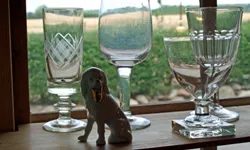
You bought it at a flea market. It has a crack around the edges and looked like it hadn’t seen soap since the Nixon administration. It is also as the centerpiece of your dining table.
Working with antique glass is like walking a tightrope. One slip is one mistake, one drop in temperature, and your $20 bargain becomes a pile of sharp regrets in your sink. I’ve heard the tinkle. You know the sound. It haunts collectors.
But you don’t have to live in fear of the shelves. There is a method to the madness. This requires patience. It requires cushioning. And it requires knowing when to leave.
Зміст
Stop before you start
Not every piece needs your hands on it. If you suspect you have something museum-quality, put the sponge down. Seriously.
Dust with a soft, lint-free cloth? Fine. Beyond that, you are risking of irreparable damage. Commercial window cleaner? No. They can strip coatings or the surface may become cloudy. Let it dry on a hot counter? Even worse
If it’s a historically significant item or heirloom, take it to a professional restorer. They have the tools and knowledge to clean without causing damage. This is not a DIY project for priceless artifacts.
Everyday antiques that are not worth paying a professional for, you can clean them yourself. However, the rules must be followed.
The Setup Matters
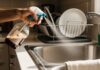
Start by clearing a workspace. Clear the counter. Lay down soft towels. These act as a safety net. If the glass slips, it lands on fabric, not tile.
Place a rubber mat or towel on the bottom of the sink. Never wash antique glass directly against porcelain or metal. The force of the impact alone can break decades-old materials.
Use room temperature water. Hot water can cause thermal shock. Cold water can do the same. Lukewarm is the safe zone. Add a mild detergent or a small amount of ammonia to the water. Avoid harsh chemicals. You’re not cleaning a grease trap, you’re cleaning history.
Cleaning process
Submerge the glass gently. If the piece is large, wash it in sections. Use a soft cloth or a gentle sponge. Do not scrub aggressively. Let the soap do its job.
Use a bottle brush to remove stubborn stains inside the narrow neck. Be gentle. The glass may be soft.
Rinse thoroughly. Remove all soap residue. The soap left on the surface attracts dust, create a film that dulls the luster.
Drying and presentation
Dry the glass immediately with a lint-free cloth. Microfiber works well. Air drying can leave water spots, especially if you use hard water.
Once dry, hang it in a place out of direct sunlight. Over time, UV light can fade the color and weaken the structure of the glass. Keep it away from high traffic areas where it may be exposed to shocks.
When storing pieces, put padding between them. Felt pads and tissue paper can prevent scratches when stacked or placed close together.
A quick note about natural glass
You may find fragments labeled “obsidian” or “tektite”. It is a natural glass formed by the impact of a volcano or a meteorite impact. It differs from manufactured antique glass. they are more difficult. Make it crunchier in a variety of ways. Handle with care. However, remember that everyone’s cleaning needs are different. The mild detergent and water method works best for most vintage glasses.
What next?
you cleaned it up. It sparkles. But what about cracks? Chips? What part is missing?
This is where things get complicated. And there are risks.
Some of the damage can be repaired. Some people can’t. A repair attempt without suitable materials can completely ruin the piece. The next section explains how to assess the damage and when to contact a professional.
Go ahead and bask in the glow! You’ve done the hard part. You left it at that.
2: Start with the gentlest method
If the stain is particularly stubborn, you can grab the heavy-duty stuff right away if you want. No, the golden rule of antique preservation is to start with a gentler cleaner and only escalate if it fails.
First start with warm water and mild detergent. This may seem too simple, but it is the right way to remove 90% of surface stains. Use a soft microfiber cloth or a natural sponge. Avoid using paper towels as they can leave lint behind and scratch delicate surfaces.
If soap and water don’t remove the build-up, move on to the next layer – a solution of water and white vinegar. This allows mineral deposits and stubborn water stains to dissolve without the harshness of ammonia-based detergents, which can damage some antiques over time.
Consider using glass cleaner or isopropyl alcohol only if these methods fail. Even then, test in a small, inconspicuous area first. Why risk fogging up the glass or peeling the surface when a little patience can help?
3: Inspection before cleaning
Not all glasses are created equal. Vintage cobalt vases react differently to cleaning than delicate Art Deco vases with gold leaf. Before you water anything, you need to know what you’re working with.
Please look carefully at this work.
* Frosted or Etched Glass: These textures can trap dirt. You can use a soft-bristled brush, such as an old toothbrush, to gently agitate the crevices.
* Gilded or decorative glass: Avoid using abrasive tools. The gold leaf peels off with the slightest force. Apply it on a soft cloth and wipe it gently.
* Pitted or rough glass: The surface is already textured, so it’s safe to use more pressure here.
* Smooth clear glass: Handle with care. A slip means shards.
Knowing the type of glass tells you how much force you can use. A bottle brush is useful if you are scrubbing bottles with narrow necks. When cleaning a patterned decanter, do so gently. The goal is to clean the surface without erasing its history.
“The more you know about that glass, the easier it is to know how to aggressively clean it.”
4: Cleaning process
Once you’ve prepared the space and chosen your method, it’s time to clean. If the piece is small enough, you can wash it in a plastic tub lined with a towel. Large objects are worked on at a ready-made workstation.
Wash thoroughly. If soap scum remains, it will attract more dirt later. Dry immediately with a lint-free cloth to avoid water stains. For stubborn water stains, let the vinegar solution sit for a minute before wiping.
Don’t rush. Antique glass is fragile. Every action counts. Keep your workspace organized. Move toys, pets and other hazards out of the way. Cleaning is safer when the path is clear.
5: Be careful when storing
The cleaning is not over. How you store the glass is just as important. Do not stack antique glass pieces. The weight of the object above can cause the object below to crack.
Wrap each one individually in acid-free tissue paper. Place in a sturdy padded box. Keep the storage location stable. Avoid locations with high humidity or large temperature fluctuations, as the glass may expand or contract and be damaged.
Label your boxes. You’ll thank yourself later when you’re looking for that particular blue vase.
Why this matters
Antique glass is more than just a decorative item. This is history. This is art. It’s fragile.
Cleaning requires knowledge, patience and a gentle touch. Start with caution. Check carefully. Handle with respect. if

you found it. A perfume bottle that looks like it’s been sleeping in a well since the 1930s. Through the grime, you catch a glimpse of lavender. We want to restore it to its former glory. If you are doing it yourself, start with caution. Start with the least aggressive approach. If this doesn’t work, stop. Weigh the risks. Don’t damage the beautiful glass out of impatience. Milder strategies are often just as effective. We will show you how to clean the glass surface without damaging it. First, research your specific type of glass. Different formulas were used at different times.
Step-by-step cleaning techniques
Clean one item at a time. Pay careful attention. Check painted rims for damage. Check metal filigree. Check if decorative covers or bases are made of materials other than glass. If you are not sure if the method will work, wait until it dries. Check your work before continuing.
- Wipe the glass lightly with a damp, lint-free cloth.
- Wipe with room temperature water mixed with a small amount of neutral detergent. A few drops of ammonia will also help.
- Wipe with a solution of 3 parts water and 1 part vinegar.
- Wipe with equal parts water and ethanol.
- Soak the glass in room temperature water with mild detergent or ammonia.
- Soak the glass in denture cleaner.
- Treat with demineralizing products. Used to remove mineral deposits.
“If you’re not sure if your method will work, wait for it to dry and check your work before continuing.”
Treat annoying stains and dirt
Mineral deposits and rust are tenacious. In some cases, you may be able to use a mild abrasive without damaging the glass. Test your technique first in an inconspicuous area. Try the bottom of a tumbler. Do not tackle the spot itself until you know it’s safe. If you are determined to get rid of impurities, these methods can help. be careful. Weigh the benefits of removing bugs against the risk of making your project look ugly.
- Scrub stubborn stains with a hard-bristled brush or a soft toothbrush. Try it in an inconspicuous place first.
- Try a dab of baking soda or toothpaste on a soft cloth.
- Use a polishing agent made especially for glass-top ovens.
- Try window polishing cream.
- If it is rust, rub the area with a copper pad. Wipe with water. Make sure the pads are real copper. Press gently.
Use scouring powder applied with a bottle brush. Remove dry dirt from inside bottles and vases. - Use an oxygen cleaner to clean the inside of narrow vases. Or try equal parts baking soda, vinegar and salt.
** Did you know? **
Modern glass is made of three basic materials: sand, sodium carbonate and lime.
Frequently asked questions
What is the best way to store antique glass to prevent dirt build-up?
Store antique glass in a closed cabinet or display case. Minimize contact with air. This reduces the accumulation of dust and dirt.
How do I remove stubborn stains from antique glass without damaging it?
Lightly apply a paste containing baking soda and water to stubborn stains. Gently wipe the dirty area with a soft, non-abrasive cloth. Avoid strong chemicals. May etch glass.
The reality of recovery
Recovery is rarely linear. You may notice that the lavender scent has completely disappeared. The label might be dissolving in front of your eyes. You are dealing with a fragile history. One wrong move with that copper pad and the shine is gone. That’s the compromise. The bottle is returned, but there are traces of the work done on the bottle. Is that a bad thing? Some collectors believe that patina adds character. Others want it pristine. There is no single right answer. Just be careful with your hands. And your choices. The bottle will outlast you. Give it the respect it deserves.