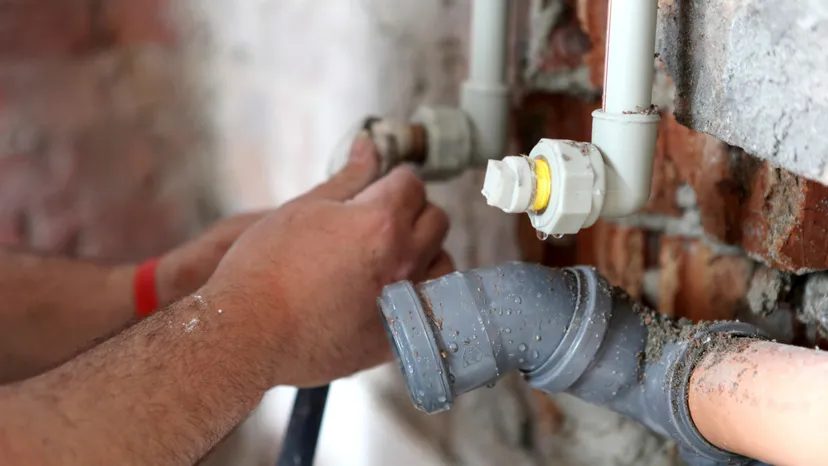
That loud bang rattling your walls when the washing machine stops filling? It’s not your plumbing settling. It’s water hammer. The sound is violent, sudden, and damaging. It happens because water has mass. When it moves fast, it carries momentum.
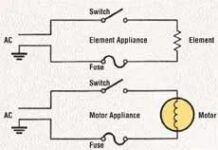
Most people blame the pipes. They’re half-right. The real culprit is the valve. Washing machines and dishwashers use solenoid valves to control flow. These are electrically operated gates. They don’t drip. They slam shut. Instantly.
The Physics of the Bang
Imagine the cycle ending. The tub is full. The solenoid valve clicks off.
In that fraction of a second, the water rushing toward the machine hits a brick wall of closed metal. That 5 to 10 pounds of moving water stops dead. Its momentum doesn’t vanish. It transfers. The pipe system jerks forward. The pipes shift against their brackets. That shift is the noise.
If you have long, straight runs of pipe, the effect is worse. More water mass. More momentum. More bang.
Every time you hear that hammer sound, you are stressing your plumbing. Flexing metal. Tightening joints. Eventually, things break. You need to dampen the shock.
Installing a Shock Absorber
The standard fix is a shock absorber. Think of it as a cushion for your pipes.
You can build a simple one. Cut a piece of vertical pipe. Cap the bottom. Attach it near the solenoid valve. This creates an air chamber.
When the valve slams shut, the water rushes into this vertical pipe. It compresses the air bubble. The air acts like a spring. It slows the water down gradually instead of abruptly. No bang. No shock.
There is a catch with DIY air chambers. Over time, the air bubble dissolves into the water supply. The chamber fills with water. It stops working. You have to bleed the air back in. Periodically. Inconvenient.
For a permanent fix, buy a commercial water hammer arrestor. These use a sealed rubber bladder inside a metal or plastic shell. The bladder compresses. It doesn’t rely on a free-moving air bubble that can vanish. They work in any orientation. Vertical or horizontal. No bleeding required.
Other Solutions
If you have water hammer throughout the house, one arrestor won’t cut it. You need a systemic approach.
Check your water pressure. High pressure makes the problem significantly worse. This is common in low-lying areas where municipal pressure is naturally higher. Install a pressure-reducing valve on your main supply line. Bring the pressure down to a safe 60 psi. Often, this alone stops the hammering.
Look at your cold water heater. The tank can act as a reservoir, but sometimes it’s not enough. An expansion tank on the cold water inlet can help absorb the shock.
Finally, check your pipe size. Standard homes often use ½-inch pipes. Upgrading to ¾-inch pipes reduces water velocity. Slower water means less momentum. Less momentum means less force when the valve closes. It’s a more expensive retrofit, but it addresses the root cause.
Start with the arrestor. It’s cheap. It’s easy. If the banging persists, check the pressure. Then look at the pipes. Fix one thing. Test it. See if the house is quieter. If not, move to the next step.