The end of the year doesn’t just mean letting go of old things. This is a strategic window. There is about six weeks until the calendar flips to 2026. Most people wait until December to start making plans. It’s too late. The actual preparations will take place in November.
There are special plants that bridge the gap between winter dormancy and spring ambition. It’s not flashy. You don’t need constant attention. This is Crassula ovata. Everyone calls it “Yushu”. Some call it the “10,000 money tree.” The name doesn’t matter, the location does.
If you want to enrich your home next year, you need to know where this succulent lives and how to place it. This is not magic. This is the principles of Feng Shui and for basic gardening.
Why Yushu rules the New Year
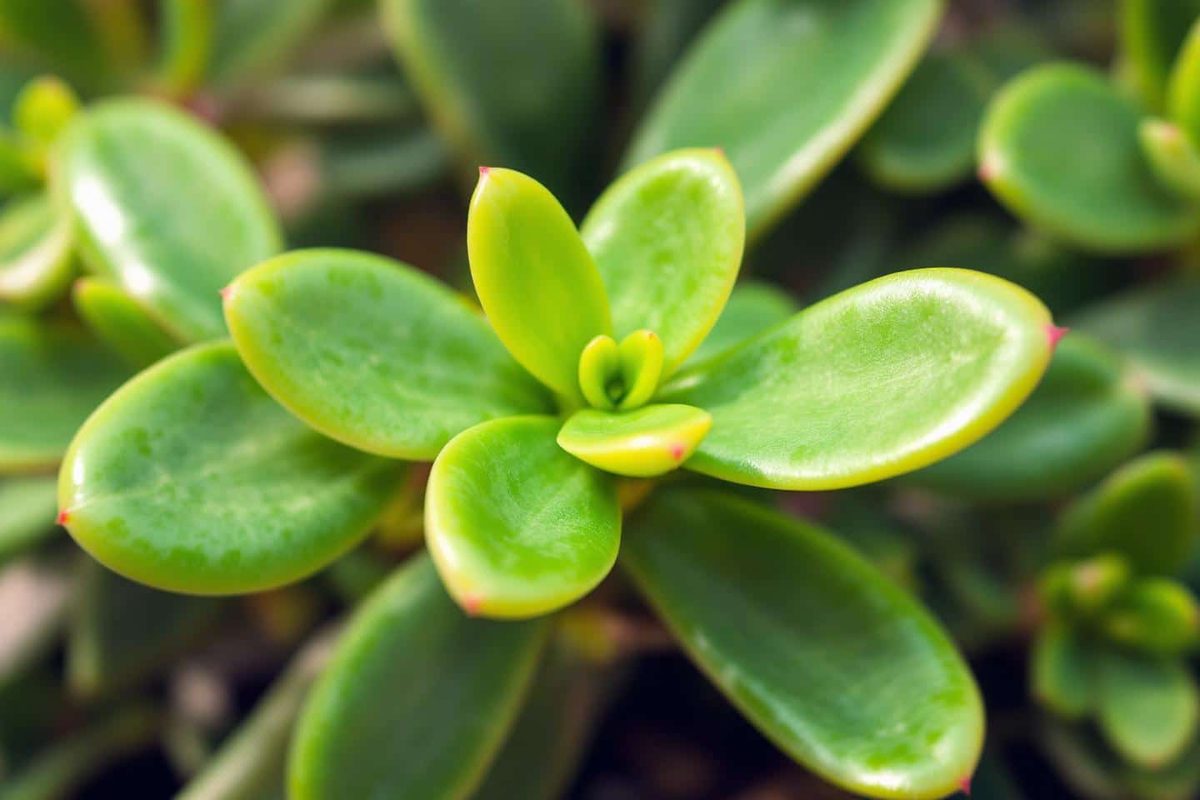
Jade plant (Crassula ovata) comes from South Africa. It grows even in dry conditions. It stores water in its thick, round leaves. This leaf looks like a coin. Therefore, tradition associates it with wealth. This is not superstition. It is a symbolism rooted in visual psychology.
Feng Shui practitioners consider this plant a pillar of stability. It represents steady growth. It symbolizes continuity. Unlike flowering plants that bloom and die quickly, jade plants last. It is a long-term asset.
Installing this plant before the New Year will help you set your intentions. You plan your home’s energy for the next 12 months. The goal is to attract positive flow. The method is simple. It’s positioning.
Strategically placed for maximum power
Location determines action. You can’t just throw a plant in the corner and expect results. You need to understand the flow of energy (chi) in space.
1. Southeast corner
In Feng Shui, the southeast side of the house rules wealth and abundance. Place the jade tree here. This arrangement helps align the plant’s energy to your financial goals. It creates a visual anchor for flourishing.
2. Near entrance
If your front door opens to the south or southeast, place the plant nearby. This acts as a welcome filter. Capture energy at the threshold. However, do not place it in a direct pedestrian path. you should avoid and not stumble.
3. Sunny window
Plants need light. But it’s not the harsh sun that beats down on us. A clear window that lets in filtered light is ideal. This keeps the leaves green. If the leaves grow long and turn white, the plant is stressed. Stressed plants do not symbolize stability.
Avoid dark corners
Do not place jade trees in dark corridors. It rots. It dies. Dead plants bring negative energy. This is the opposite of your goal.
Plant for Purpose: A Step-by-Step Guide
November is the time for action. Please wait until December 31st. Give the plant some time to settle.
Step 1: Choose the right pot
Choose a container that is slightly larger than the root ball. Clay or unglazed ceramics are best. It allows the soil to breathe. If you tend to overwater, avoid using closed plastic pots.
Step 2: Prepare the soil
Use a well-drained mixture. Normal potting soil has too much moisture. Mix with coarse sand or perlite. This mimics the plant’s natural dry habitat. Good drainage prevents root rot. Root rot can kill the plant. Withered plants bring bad luck.
Step 3: Planting
Place the plant in the pot. Fill the area around the roots with new soil. Press lightly. This eliminates large air pockets.
Step 4: Add Symbolic Weights
Place a copper coin or small gold object near the surface of the soil. There will be no burial. Only visible. This reinforces the theme of prosperity. This is a psychological trigger. Every time I look at a plant, I see a coin. You think abundance.
Daily care to ensure long-lasting prosperity
Wealth requires maintenance. Neglect leads to corruption.
Water sparingly. Wait until the soil is completely dry between waterings. In winter, watering is reduced even more. The plant goes dormant. It goes dormant.
Provide light. ** Make sure your plants get even, bright light. Rotate the pot occasionally to ensure even growth.
Keep it clean. ** Wipe the leaves. Dust blocks the light. This makes the plant look neglected. The beautiful jade tree looks healthy. Healthy plants look lush and green.
Make it a family tradition
This is not an isolated act. Bring your family too. Ask each person to place a small wish or intention near the root of the plant. No need to write it down. We were just talking. Or so I thought.
This makes a simple houseplant a focal point for a common purpose. The whole family is working towards a common goal for 2026.
Yushu has a very strong life force. It is tolerant. But it is not indestructible. Please be respectful. Install it correctly. Water wisely.
The end of the year passes. It will be completed in November. The work is done. Nothing to do but wait for the results.
Or don’t. Maybe you just like the way it looks on your windowsill. This also works.
You don’t need a fancy gardening degree. You don’t need to be an expert to keep ‘Crassula ovata’ alive. In fact, it is one of the most forgiving houseplants. It thrives on neglect. I won’t complain if I forget it’s there for a few weeks. But if you really want to succeed and not just survive, you need a routine. It’s not complicated. Just something consistent.
Most people fail at watering. They overwatered it. Don’t drown.
Yuki’s watering and soil basics
The golden rule is simple. Wait until the soil is completely dry. Then wait a little longer. In winter, it is usually enough to reduce watering every two weeks. They need a little more moisture in the summer, but don’t leave them under water. Drainage is not negotiable.
Use a strong, well-draining mixture. Normal potting soil has too much moisture for succulents. Mix in perlite or coarse sand. This prevents root rot, which is the silent killer of jade plants. When the roots rot, the leaves turn black and cloudy. Immediately. Too ugly. You can avoid this by using the right soil.
Light is also important. Provide bright, indirect light. South-facing windows are best. If it stretches and looks long, it is reaching for the light. Please move closer. Strong afternoon sun can cause leaf burn, so keep an eye out for brown spots.
Promote flowering with temperature and fertilizers
Jade trees do not bloom every year. Most indoor specimens do not flower. But you can induce flowering. The trick is in the cold winter months.
In late fall and winter, place the plant in a cool place (around 50°F (10°C)) for about 6-8 weeks. This shock signals the plants that it is time to reproduce. After it cools down, return to a warm environment.
Please feed gently. In early spring, a very small amount of compost or diluted liquid fertilizer is sufficient. If nitrogen fertilizer is applied too much, the plant will only have leaves and no flowers. You want those little white star-shaped flowers. It looks delicious against the dark green leaves.
It is a myth that flowers bring happiness. The truth is that proper care brings satisfaction.
Add jade cuttings for gifts or new plants
Jade trees are easy to propagate. You can turn one plant into three. Or 10. This is a great way to share plants with friends and grow your collection without breaking the bank.
Here are the actual steps:
1. Cut a healthy stem. Use clean scissors or scissors.
2. Leave the callus on the incision site for several days. This prevents rotting during planting.
3. Place the cutting in a small pot filled with sand and light potting soil.
4. Avoid direct sunlight. Water sparingly until the roots emerge.
It’s a simple process. You can also use leaves. Push only healthy leaves into the soil. Eventually roots and stems will grow. Slow but effective.
Make Jade tree the focal point of your space
Incorporating plants into your daily routine will help you stay consistent. Display it in a place where you can see it every day. table? The kitchen window? Bedside table? Visibility asks for confirmation.
Include family members in the care and make care a shared responsibility. Kids love sprouting new leaves. This is a low-risk way of teaching basic plant care. Plant maintenance costs are not very high. Low maintenance costs. That’s its power.
It’s not about achieving a perfect, sterile look. It’s about living with plants. Maybe pick up some magazines