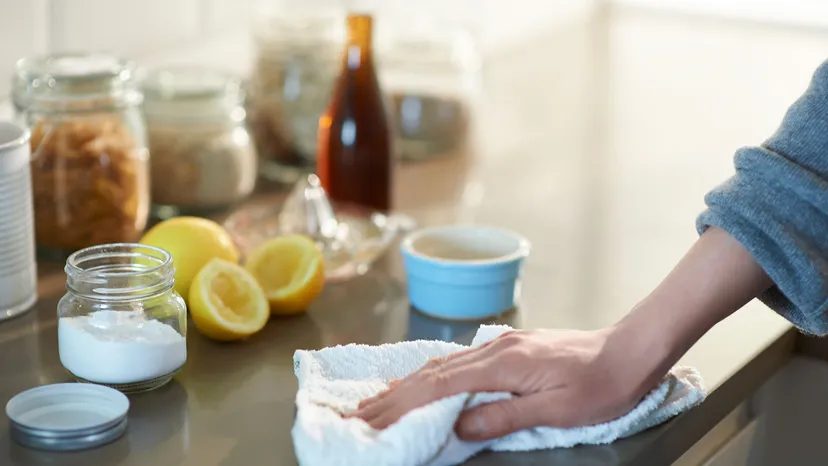
There is a specific kind of magic in mixing two pantry staples to create something that outperforms expensive commercial chemicals. Baking soda and vinegar have been the backbone of green cleaning for decades. They are safe. They are cheap. And when you mix them, they don’t just sit there; they react.
The science is simple but effective. Vinegar is dilute acetic acid. Baking soda is sodium bicarbonate. Mix them, and you get a rapid production of carbon dioxide gas. Those bubbles you see? That is the mechanical action helping to dislodge dirt, grime, and rust. The remaining liquid contains sodium acetate, which is a decent cleaner on its own. But the gas is what does the heavy lifting in tight spaces.
Here is how to put that reaction to work in eight specific areas of your home.
1. Salvage Burnt Pots and Pans
Burnt food is a nightmare. Scrubbing it by hand can ruin non-stick coatings or wear down your wrists. Skip the steel wool.
Pour about 1 cup (240 ml) of vinegar into the bottom of the pot. Add enough water to cover the burnt area. Bring it to a simmer on the stove. Once it bubbles, remove it from the heat. Carefully sprinkle in 2 tablespoons of baking soda. It will fizz violently. Let it soak until the bubbling stops. The crust should lift right off. Scrub gently with a scouring pad and rinse.
2. Reset the Dishwasher
Dishwashers trap food debris. They develop rust stains. They smell. Commercial cleaners exist, but this method is faster.
Place a measuring cup filled with 1 cup of vinegar on the top rack. Run a full hot water cycle with no dishes inside. This dissolves mineral buildup. Once it finishes, sprinkle a generous layer of baking soda across the bottom of the empty tub. Run a shorter, hot water cycle to rinse and deodorize.
3. Deep Clean the Washing Machine
Mold and soap scum love the dark, damp crevices of a washing machine. Bleach works, but it can be harsh on seals. Try this instead.
For front-loaders, dump 1/2 cup (32 grams) of baking soda into the drum. Pour 1 quart (1 liter) of vinegar into the fabric softener dispenser. For top-loaders, throw both ingredients directly into the drum. Run a full cycle on the hottest setting. This breaks down the invisible film of detergent residue that traps lint and causes odors.
4. Unclog Minor Drain Clogs
Commercial drain openers use caustic chemicals that can damage older pipes. The baking soda and vinegar method is safer for PVC and metal alike.
Start by pouring boiling water down the drain to loosen debris. Add 1/2 cup of baking soda directly into the drain. Let it sit for three to five minutes. Pour in 1 cup of vinegar. Follow immediately with 1 cup of very hot water. Cover the drain if you can, and let the chemical reaction work for 5 to 10 minutes. Flush thoroughly with more boiling water.
5. Restore Grout Without Harsh Acids
Grout in the kitchen turns gray or yellow from grease splatter. Bleach can yellow unsealed grout over time. Use baking soda and vinegar for a safer sparkle.
Sprinkle baking soda over the stained grout lines. Fill a spray bottle with white vinegar and spritz the grout directly. Watch it fizz. Let it sit for a minute. Scrub hard with a stiff-bristled brush or an old toothbrush. Rinse with a wet rag.
Important: This only works on sealed grout. If your grout is unsealed, the vinegar can penetrate and stain. Just use dry baking soda and scrub.
6. Shine Stainless Steel Sinks
Stainless steel shows every fingerprint. It picks up water spots. It gets dull.
Wet the sink thoroughly. Sprinkle baking soda over the surface. Scrub with a cloth or sponge. Rinse it off. Now, soak paper towels in white vinegar and lay them flat over the entire sink surface. Let them sit for 20 minutes. The vinegar breaks down the water spots. Remove the towels and rinse. The sink should look polished and streak-free.
7. Deodorize and Clean the Toilet
Even if you scrub the bowl weekly, odors linger in the rim and beneath the water line.
Pour 1 cup of baking soda into the bowl. Add 1 cup of vinegar. It will bubble up. Close the lid and let it sit for 30 minutes. The acid eats away at mineral deposits; the baking soda scrubs and deodorizes. Scrub with a toilet brush and flush.
Why This Mix Works Better Alone
Using vinegar alone cuts grease. Using baking soda alone acts as an abrasive. Together, they create a chemical lift that removes stuck-on matter without the need for elbow grease. It is a physical cleaning method powered by gas expansion.
You might wonder if this destroys pipes. For standard household plumbing, the reaction is too weak to cause corrosion. It is not strong enough to dissolve copper or PVC. However, do not use this method if you have just used a commercial bleach-based drain cleaner. Mixing acids and bleach creates chlorine gas, which is dangerous. Stick to vinegar and baking soda, or let several days pass after using harsh chemicals before trying this natural method.
The results are immediate. The surfaces are cleaner. The drains flow. And you did it without reading a label full of ingredients you cannot pronounce. The rest of the home is waiting for the same treatment.
Reviving stiff or smelly towels
Towels tend to turn into scratchy, odor-retaining rags. It’s not always bad hygiene. It is often caused by the accumulation of detergent and fabric softener residues. This dirt traps bacteria and prevents the fibers from absorbing water properly. You can remove these residues with household staples.
Start with a hot wash with a cup of white vinegar. Do not add detergent. The acid breaks down mineral deposits and soap residue. After this cycle, do another wash. This time, use hot water and a cup of baking soda. The baking soda fights any remaining odors and softens the fibers. Avoid using fabric softener in the tumble dryer. It simply coats the towels with a waxy film that reduces their absorbency over time.
Now That’s Cool
Hair care enthusiasts sometimes replace shampoo with a conditioner containing baking soda and vinegar. The idea is to clean the scalp. Mix one tablespoon of baking soda in a cup of water. Apply it to your roots like shampoo. Lather it up. Rinse it off completely.
Next, mix two tablespoons of apple cider vinegar with one cup of water. Apply this to the mid-lengths and ends of your hair. Avoid the roots this time. Rinse thoroughly.
“While baking soda can remove excess oil from the hair, it can also cause dryness, especially with repeated use. Vinegar can fight dandruff, but there are no guarantees.”
Research recommends caution here. Baking soda is abrasive and alkaline. It can strip the natural oils and raise the hair cuticle, leading to dryness. Use sparingly. Vinegar helps balance pH levels, but is not a panacea for dandruff. Test this routine carefully before making it a weekly habit.
Frequently asked questions
How can I make sure baking soda and vinegar won’t damage my surfaces or appliances?
Always test a small, inconspicuous area first. Follow the recommended dilution rates. This prevents possible damage to sensitive surfaces or sensitive appliance parts.
Can you use baking soda and vinegar together for all cleaning tasks?
No. These are powerful cleaners, but they are not suitable for some materials. Avoid use on aluminum, cast iron, marble or waxed surfaces. Acidity and abrasiveness can dull finishes or cause chemical reactions that stain or corrode the material.