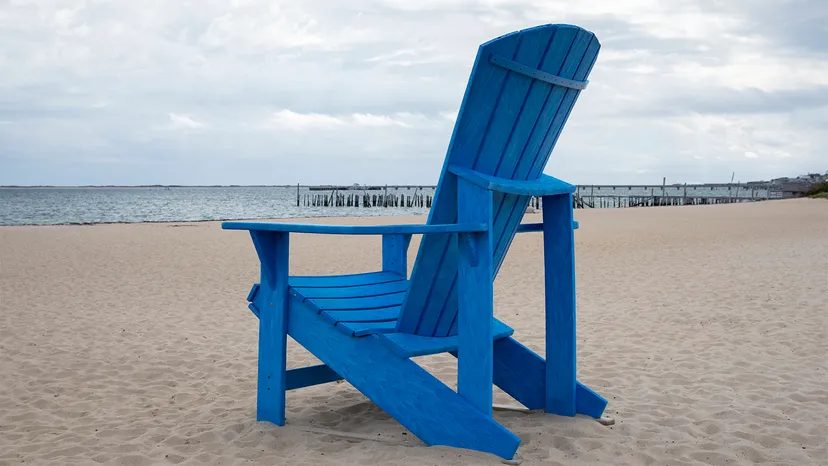
You sink into it. The high back supports your spine. The seat angles backward, keeping you low to the ground. It is hard not to doze off in an Adirondack chair design. Those extra-wide armrests are not just for show. They hold your drink. They hold a plate of snacks. They support your arms while you rest.
But this simple-looking chair has a complicated history. It evolved from a single plank to the slat-style furniture you see in backyards today. Understanding that evolution helps if you are planning to build one yourself.
Зміст
From Single Plank to Slats
The story starts in the early 1900s. Thomas Lee, a designer from Massachusetts, had a summer home in Westport, New York. It sits on the shores of Lake Champlain. The terrain is rough. Sandy. Sloped. Lee wanted a chair that stayed stable on any surface. He wanted it sturdy.
He drafted a design. It featured wide arms. A high back. A slanted seat and back made from one continuous piece of wood. He took these sketches to his friend, Harry Bunnell. Bunnell owned a carpentry shop nearby. He built the first chairs.
The community loved them. They were comfortable. They were durable. Bunnell modified the design slightly, making it narrower. He patented the “Westport chair” in April 1904. For twenty years, he ran a successful business. You can still find his signature on original pieces.
However, the single-piece construction was difficult. It required knot-free planks. It was hard to build. The design had to change to become widely accessible.
The Modern Slat Style
The modern Adirondack chair design uses multiple slats. This change made construction easier. It also allowed for more flexibility in materials. The wide armrests remained. The high back stayed. But the seat and back were no longer one solid block.
In 1938, Irving Wolpin of New Jersey added another layer. He patented a “lawn chair.” His version had a rounded back and a contoured seat. It used slats like the improved Westport style. This is the version most people recognize today. It is the most replicated design.
Why It Remains Popular
Why do we still care about a chair invented over a century ago?
“Adirondack chairs are a unique blend of art and function.”
Brady Maller, executive vice president of strategy and sales for POLYWOOD Furniture, puts it simply. The company processes over 400,000 milk jugs daily into recycled plastic furniture. They started doing this in 1990. Their chairs are iconic.
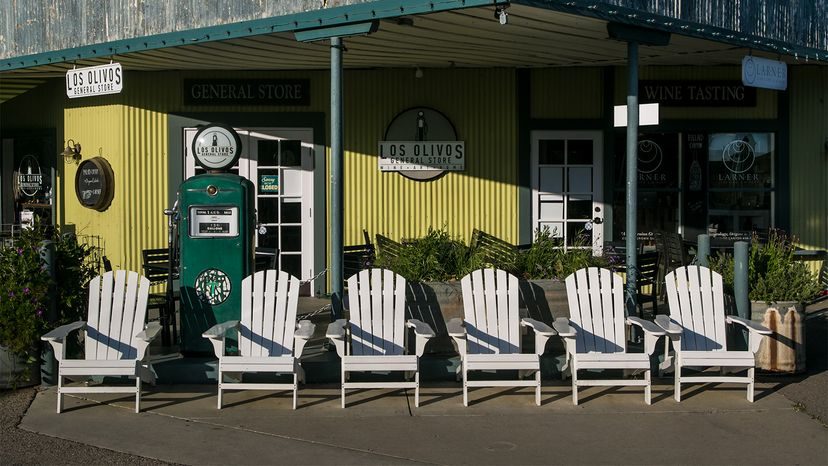
They work as decor. You put them under an oak tree. On a front porch. Facing water at a vacation home. They signal relaxation. They offer peace.
Interior designer John Linden from Los Angeles notes the ergonomics. The contoured design makes reclining easier than other lawn chairs. You can add cushions. You can add pillows. It supports your body in a way flat seats do not.
Building Your Own
If you are looking to build one, start with the slat design. It is forgiving. You do not need perfect knots-free lumber.
Tools you will need:
– Circular saw or hand saw
– Drill/driver
– Clamps
– Sandpaper (80-grit to 220-grit)
– Outdoor wood glue
– Exterior-grade screws
Materials:
– Cedar or redwood (resists rot)
– Marine-grade plywood (for seat base)
– Wood filler
Cut your slats to length. Sand every edge. Rough edges splinter. Splinters hurt. Pre-drill your screw holes. This prevents splitting the wood.
Glue and screw the back slats to the back legs. Then attach the armrests. The armrests are wide. They need to be level. Use a square. Check your angles.
The seat is next. It angles backward. This is the key to comfort. If the angle is too flat, you slide forward. If it is too steep, you slide back. Aim for 30 to 35 degrees.
Assembly is straightforward. But take your time. A wobbly chair is not relaxing. It is annoying.
The original Westport chair required precision. The modern version allows for mistakes. It invites DIYers to experiment. You can stain it. You can paint it. You can leave it natural.
It sits on your patio. It watches the rain fall. It waits for you to come back.
But why do some people prefer the rounded back over the slatted back? It comes down to support. The rounded back contours to the spine. The slatted back allows air flow. Which do you need?

Which Outdoor Furniture Material Actually Lasts?
You want that chair to survive the elements, not just look good in July. The debate usually comes down to four contenders: teak, aluminum, HDPE lumber, and injection molded plastic. Each has a specific weakness that could ruin your weekend relaxation if you pick wrong.
Teak is the gold standard for wood. It handles wind, water, and rust better than pine, oak, or bamboo. You can leave it outside all year. The catch? It’s expensive to maintain. To keep it from turning that silvery-gray patina, you have to rub it down and treat it regularly. Also, you’re stuck with one color: teak.
Aluminum is lightweight and tough. It won’t rust or warp. It’s cheap compared to high-end woods. But it’s light. A strong gust can flip it over. It also comes in only one color and lacks the cozy, substantial feel of wood.
High-density polyethylene (HDPE) lumber is the heavy hitter. Made from recycled milk jugs, it’s synthetic resin that feels like solid wood but behaves like plastic. It’s medium-weight, so wind doesn’t bother it. It stays colorful. It takes minutes to clean with soap and water. It’s recyclable. It’s expensive upfront but lasts a lifetime.
Injection molded plastic is the budget option. It’s light, so wind is a risk. It fades fast. It stains. It’s not comfortable or luxurious. Good for a spare chair when guests show up unannounced. Easy to clean, but easy to discard.
Why Recycled Plastic Lumber Is Trending
Wood was the original choice. Cedar planks. Simple. But the 1980s recycling movement changed the game. Recycled plastic lumber offered a wood alternative. It’s durable. It’s low-maintenance. It comes in colors.
For the eco-minded homeowner, this is a no-brainer. You get the look of wood without the rot. Without the staining. Without the constant scrubbing.
Is Comfort Worth the Trade-Off?
Comfort is subjective. Teak feels solid. It’s warm to the touch. Some prefer that natural grip over synthetic surfaces. You might tolerate the maintenance for that classic feel.
Recycled plastic lumber offers a different comfort. It has built-in flex. It’s softer on the body than rigid wood. It doesn’t get scorching hot in the sun like metal. It holds its shape.
Accessories matter. An ottoman lets you sink back. A cushion adds padding. A headrest pillow supports your neck. Side tables complete the set.
The material is just the foundation. Your comfort setup makes it work. Pick what fits your lifestyle. Not just your budget.
The Palette of Patios: Color and Finish Choices
If you’re locking in teak or aluminum, check the paint swatches early. Your options are tight. You’re mostly looking at natural wood tones or the standard metallic finishes. But switch to injection-molded plastic or HDPE lumber, and the sky is the limit. These materials take dye well. You get everything from muted earth tones—grays, olives, deep browns—to loud, primary colors that pop against a neutral deck. Want a sleek, modern vibe? Go stark white or matte black. Prefer something that blends into the garden? Pick a mossy green or weathered wood look. The material dictates the aesthetic, so choose your plastic or polymer wisely.
Price Tags and Value Propositions
Let’s talk dollars. As Linden notes, prices swing wildly. You can find a basic chair for $20, while high-end models hit $200. Why the gap? Material quality. Better stuff lasts longer. It feels better. Maller points out that the pricier options often come with generational warranties. Think about that. A $200 chair that never needs replacing beats five $40 chairs that warp or crack every other year. Maintenance costs add up. Replacement costs add up. The expensive upfront option often saves cash over a lifetime.
Lifespan: What to Expect
How long will it last? It depends on where you put it and how you treat it. In mild climates, most materials hold up if you do the annual chores. But if you’re on the coast, salt air is a killer. In the desert, UV heat fries lesser plastics. Recycled plastic lumber thrives in these harshest environments. It doesn’t care about salt. It doesn’t care about intense sun.
Wood is different. Teak? Aluminum? They can last a lifetime. Aluminum resists rust and water with minimal effort. Teak needs occasional treatment to keep its color from fading to gray. Wood, generally, demands time. Annual refinishing. Sanding. Staining. Plastic lumber? A quick wash with soap and water in the spring is usually enough. It’s a generational product with near-zero maintenance.
Pro Tip: Look for the stamp. The original Westport chair bears U.S. Patent 794,777, stamped on the back since 1905. If you find an antique in good shape, it’s worth around $1,000. Don’t sleep on vintage hunting.
Material Breakdown: Teak vs. Plastic vs. Wood
Teak
Known for durability. It’s the gold standard for wood Adirondack chairs. It resists rot and insects naturally. But it costs more. And it needs care to maintain that rich golden hue.
Plastic (HDPE/Recycled)
Easy maintenance. No staining. No sealing. If you hate chores, pick plastic. It’s lighter, but less “heirloom” than wood.
Wood (Non-Teak)
Heavier. More durable than cheap plastic, but less than teak. Requires paint or stain to protect from the elements. If you skip the paint, expect the wood to gray and crack over time.
Muskoka vs. Adirondack: What’s the Difference?
They look similar. They aren’t the same. Muskoka chairs are slightly shorter and narrower. Adirondacks are about 2 inches taller and wider. If you want that classic, deep-slung recline, stick to Adirondack. If you prefer a more compact footprint, Muskoka might fit your balcony better.
Protecting Wooden Chairs
Wood doesn’t need much maintenance if you prep it right. Clean the chair thoroughly. Let it dry. Apply a thick coat of paint or sealant. This protects the wood from damage and keeps that shine. Skip this step, and you’re betting on the wood surviving nature unassisted. Teak survives. Pine? Not so much.
Frequently Asked Questions
What is the best material for Adirondack chairs?
Teak. It’s durable, rot-resistant, and ages beautifully. Ideal for wood.
Are Adirondack chairs really worth the high cost?
Yes, if you view them as long-term investments. They stay durable over time without excessive maintenance. Cheap chairs break. Expensive ones endure.
Do I need to seal my wooden Adirondack chair?
Not strictly. But painting or staining them helps maintain their shine and protects them from damage. Clean first, then apply a thick coat.
Which is better: wood or plastic?
Plastic is easier to maintain. It doesn’t stain. Wood is heavier and can be more durable, especially if you choose teak. It’s a trade-off between effort and longevity.