








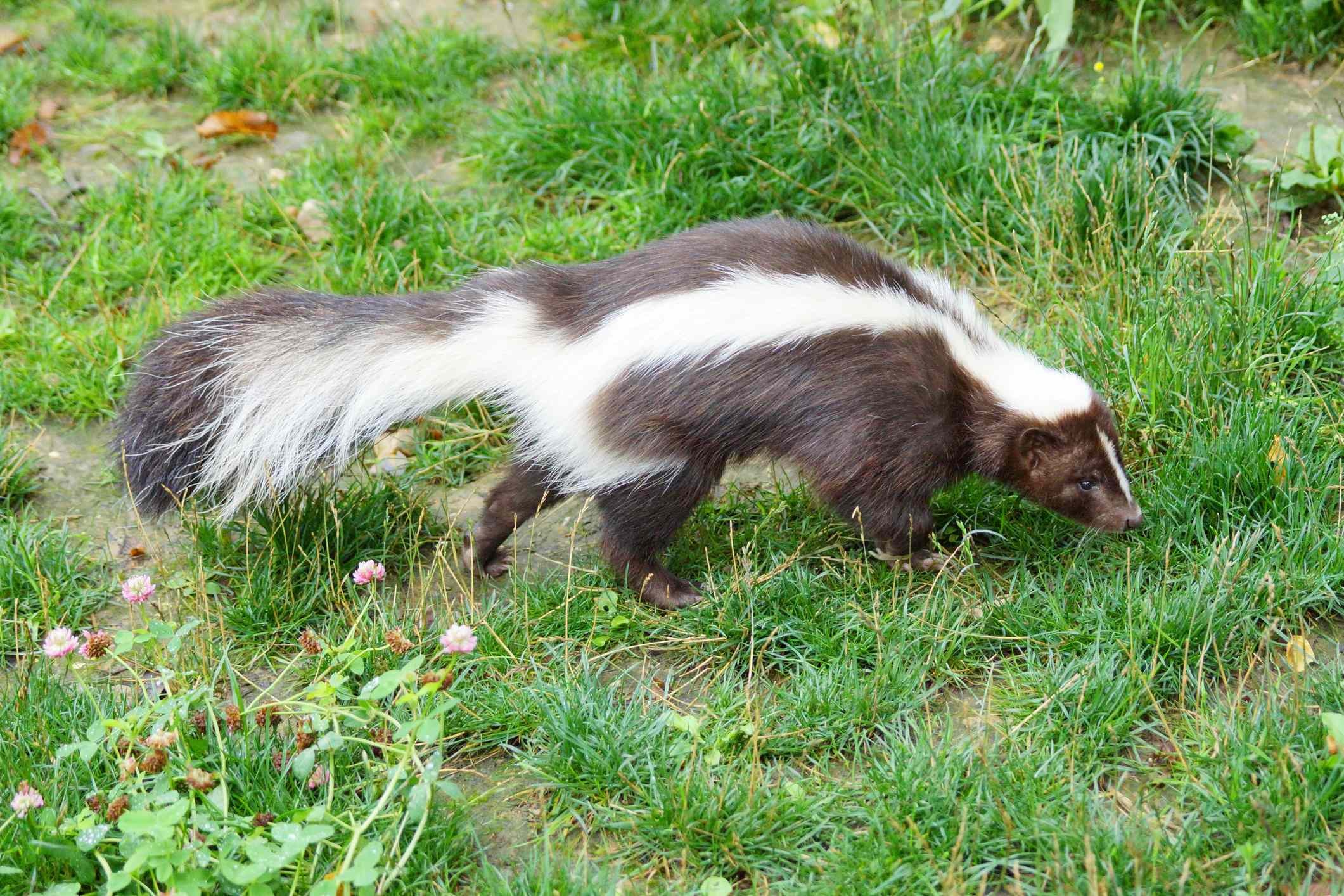
Ранній вечір. Ви виходите на веранду. Запах ударяє в ніс ще до того, як ви бачите тварину. Скунси – це те, чого вам найменше хочеться бачити на своїй ділянці. Вони риють нори, псують газон і обприскують усе довкола. Це messy та смердючий кошмар.
Тому, коли ви помічаєте смугастий круп, що крадеться до котячих дверцят, охоплює паніка. Вам потрібне рішення. Прямо зараз.
Багато хапаються за пляшку з полиці для засобів для чищення. Pine-Sol. Класичний синій очисник. Різкий запах. Чудово справляється з жиром. Але чи зможе він переконати скунса?
Ми запитали експертів із боротьби зі шкідниками правду. Чи не маркетингову нісенітницю. Реальна відповідь.
Зміст
Питання Pine-Sol: Наука проти запаху
Давайте розберемося, чим є Pine-Sol. Це побутовий очисник, створений для боротьби з жиром та стійкими забрудненнями. Спочатку він містив натуральну соснову олію. Однак у 2016 році виробники прибрали соснову олію, щоб знизити виробничі витрати. Тому те, що ви купуєте зараз, – це не оригінальна формула. Це радше «хімічний родич» оригіналу.
Тоні Кінг, експерт із боротьби зі шкідниками з компанії Pied Piper Pest Control, багато разів чув теорію про Pine-Sol. Домовласники шукають рішення своїми руками. Вони хочуть чогось ефективного, не вдаючись допомоги професіоналів.
Ось реальність: немає наукових доказів, що підтверджують, що Pine-Sol відлякує скунсів.
Але логіка тут є. У скунсів чудово розвинений нюх. Це їхній основний спосіб орієнтації у світі. Різкі запахи можуть їх приголомшити.
“У скунсів високо розвинене нюхове почуття”, – говорить Кінг.
Ніколь Карпентер, власник компанії Black Pest Prevention, наводить різкіше порівняння. Використання Pine-Sol для відлякування скунсів схоже на те, якби ви одягли парфум, щоб ведмідь не спробував вас з’їсти.
Це може їх налякати. Змусити на мить зупинитися. Але впертий скунс? Він не буде відляканий надовго.
Аромати у цих очисниках розраховані на швидке випаровування. Вони не залишаються надовго. Вони швидко руйнуються. Карпентер пропонує конкретний спосіб нанесення, якщо ви все ж таки вирішите спробувати.
Нанесіть засіб на вертикальні поверхні. Або просочіть їм ватяні диски і покладіть у відкриті скляні банки. Зробіть отвори в кришках, якщо потрібно, щоб пари виходили назовні.
Навіщо? Щоб захистити рослини та ґрунт від хімічного пошкодження. А також тому, що такий запах зберігається активним трохи довше.
Але будьмо чесні. Це короткостроковий знак “не підходити”. Це не виселення.
Чому Pine-Sol не працює як довгострокове рішення
Запах сильний лише тоді, коли він залишається сильним. Дощ змиває його. Вітер забирає.
Кінг рекомендує регулярно оновлювати шар Pine Sol. Особливо після дощу. Але якщо поблизу є привабливі фактори, запах хлорки та лимона вас не врятує.
Баки для сміття з харчовими відходами. Миски з їжею для домашніх тварин на вулиці. Звалища листя, що служать укриттям.
Скунси – Opportunists (дармаїди/пристосуванці). Вони відчувають «шведський стіл» задовго до того, як учують засіб для чищення. Якщо їжа тут, Pine-Sol їх не зупинить. Для них це просто шум фону.
Кращі способи відлякати скунсів без розпилення
Якщо ви бажаєте реальних результатів, потрібна ізоляція. Не лише запахи. Бар’єри. фізичні бар’єри.
Використовуйте металеву сітку
Ізоляція – це золотий стандарт. Використовуйте металеву сітку або оцинковану сітку. Застеліть веранди, тераси та сараї. Скунси люблять влаштовувати нори під конструкціями. Їм подобається темний захищений простір під терасою.
Якщо ви підозрюєте, що скунс живе вже під вашою верандою, не закривайте вихід. Це стане для дитинчат пасткою смерті.
Натомість встановіть односпрямовані двері-пастку. Дозвольте їм піти. Але не пускайте назад. Переконайтеся, що дитинчата не залишилися позаду. Самка скунса може виявити агресію, якщо відчує загрозу своєму потомству.
Світлові сигналізації та поливальні системи з датчиками руху
Скунс ведуть нічний спосіб життя. Вони покладаються на темряву. Поруште їхній режим, і ви зміните їхню поведінку.
Кінг рекомендує поливальні системи з датчиками руху. Раптовий потік води лякає. Він збиває з пантелику. Їм потрібна їжа, а чи не душ.
Освітлення з датчиками руху працює аналогічно. Раптове освітлення може відлякати їх.
Будьте обережні. Злякані скунси збризкують. Якщо ви несподівано зустрінете скунса у темряві, запах може опинитися на вашому одязі, машині чи взутті. Видалити запах скунса непросто. Це вимагає спеціальних засобів, наприклад, перекису водню та соди. Не залишайтесь у темряві без плану.
Альтернативні засоби на основі запаху
Якщо ви все ж таки віддаєте перевагу методам, заснованим на запаху, виберіть щось сильніше або специфічніше.
Аміак – один із варіантів. Він пахне жахливо. Для людей. Для скунсів це відштовхуючий запах.
Просочіть ганчірки аміаком і покладіть їх поруч із вхідними точками. Але ніколи не змішуйте аміак із хлоркою. Пари токсичні. Смертельно небезпечні.
Є й м’якіші альтернативи. Цитрусові кірки. Лимон. Апельсин. Грейпфрут. Лайм. Скунс ненавидить цитрусові.
Ефірні олії теж працюють. М’ята перцева. Лимон. Грейпфрут. Просочіть ватяні диски цими маслами. Покладіть їх у відкриті банки. Запах випаровується повільніше, ніж у спреїв-очисників. Олію легко оновити.
Комерційні репеленти, які дійсно працюють
Іноді методи «зроби сам» недостатні. Кінг рекомендує нетоксичні гранульовані репеленти для безпечнішого та надійнішого підходу.
Шукайте продукти типу Safer Brand Critter Ridder або Repels All.
Це гранули. Ви розсипаєте їх за периметром ділянки. Вони вважаються безпечними для домашніх тварин та людей при дотриманні інструкцій.
Як вони працюють? Вони не вбивають. Вони не ранять. Вони тимчасово погіршують нюхові здібності скунса. Це як вимкнути радіо серед розмови. Скунс гірше орієнтується у навколишньому середовищі. Він іде.
Це тимчасове рішення. Але він дає вам час. Час встановити правильні бар’єри. Час, щоб надійно закрити сміттєві баки.
Підсумок
Pine-Sol – не чарівний щит. Це легкий подразник їх чутливих носів. Він може працювати на годину. Може, на дві.
Він не зупинить скунса, який відчуває кістки від курки у вашому компості. Він не зупинить того, хто шукає затишне містечко під сараєм.
Якщо ви хочете, щоб ваша ділянка була вільна від скунсів, комбінуйте методи. Використовуйте запахи, щоб збити їх з пантелику. Використовуйте бар’єри, щоб перекрити доступ. Використовуйте датчики руху, щоб налякати їх.
А Pine-Sol залиште для миття підлог.
Скунси досі там. Переміщуються. Шукають їжу. Роють.
Вам потрібно перехитрити їх.