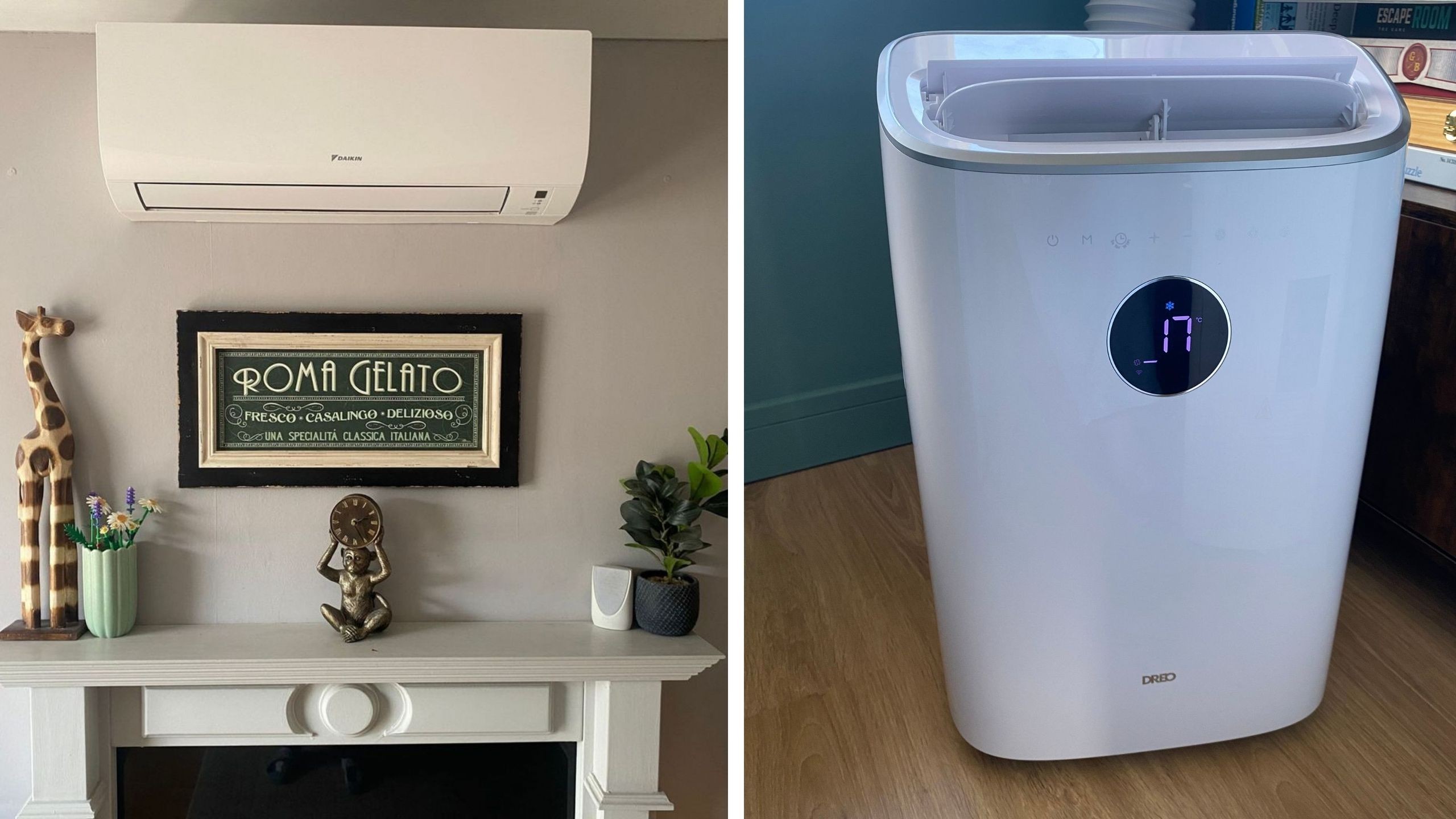
The heat is rising. And not just because it’s supposedly going to be the hottest summer on record. It’s rising in the marketplace.
Demand for fans, portable ACs, and fitted units is skyrocketing. Stock is vanishing faster than ice in July. And when supply can’t keep up with demand? Scammers step in.
They are everywhere on social media. Bad actors are preying on people who are desperate for relief from the sweltering temperatures. They use tactics that look legit but are actually traps.
Both The Guardian and the BBC have flagged an influx of these schemes. Fake websites. Sub-par products. Performance claims that fall flat the moment you plug them in.
How do you tell the difference? The experts say it comes down to vigilance.
Зміст
Air conditioning scams: What do they look like?
Scams aren’t one-size-fits-all. They evolve.
Paul Bischoff, Consumer Privacy Advocate atComparitech, notes that most of these issues start with malicious ads, texts, or emails. The pitch? Quality work at a price that sounds too good to be true.
Spoiler: It is.
These can range from phishing attacks designed to steal your payment info, to advanced fee scams that just want your cash upfront.
Chris Michael, founder of Meaco, points out a simple psychological trigger: scarcity. When temperatures spike and trusted retailers sell out, consumers get anxious. They drop their guard.
Scammers often take advantage when temperatures rise… Consumers can protect themselves by checking the seller as carefully as the product.
Red flags to watch for online
You don’t need to be a tech genius to spot a fake. But you do need to stop scrolling and start looking.
Watch out for these warning signs when hunting for an air con unit online:
- Pricing anomalies. Is the discount huge? Is the price significantly higher than usual? Both can be tricks. One lures you in; the other exploits desperation.
- Exaggerated specs. Claims about massive temperature drops or ultra-low energy usage that defy physics.
- Pressure tactics. “Last one remaining!” messaging is designed to make you buy before you think.
- Ghost stock. A model is supposedly in stock on a random site but sold out at every major retailer.
- Suspicious reviews. Vague, repetitive praise or dramatic results that lack detail. Also, look for the absence of independent media reviews.
- No contact info. No verifiable phone number. No complaints procedure. No real social media accounts.
- Shady payment methods. Crypto or direct bank transfers instead of credit cards or secure gateways.
- Missing policies. Where’s the returns info? The warranty? The delivery terms?
Is the installer actually qualified?
The danger zone isn’t just online. It’s in your home.
Philip Davis of Island HVAC Systems warns of a worrying trend. The heatwave has drawn in companies with little to no real experience in designing, installing, or commissioning these systems.
He’s seeing a dramatic increase in calls from customers who need him to fix the mess left by bad installers.
How to avoid hiring a rogue trader in person:
- Don’t let them rush you. If they knock on the door unannounced and demand an immediate yes, run.
- Beware the “straight away” promise. Professional HVAC work takes time. Instant fixes are usually shortcuts.
- Check their credentials. Are they REFCOM registered? Manufacturer-approved? Do they hold recognized electrical certifications?
- Ask for proof. See their portfolio. Read independent reviews. Ask who they’ve worked with before.
- Trust your gut on their gear. If their van is a wreck or their tools look broken, they don’t take their job seriously.
Don’t choose an installer based solely on availability or price. Quality requires years of experience. Taking time to find a specialist prevents paying twice for poor work.
How to verify if a seller is legit
So you found the unit. You think you found a deal. Is it real?
Do the due diligence.
First, check the URL. Does it match the official retailer exactly? Typosquatting is common. Hackers register sites that look almost right.
Next, Google the retailer. Look for independent reviews. If the name is new or obscure, dig deeper. Do they have a verifiable UK address? A working landline?
Check the price against other established sites. If it’s massively lower, it’s a trap.
The seller should appear on the manufacturer’s authorized retailer list. Look for green flags like clear returns policies and secure payment options.
Chris Michael also lists what good looks like:
- Established trading history.
- Independent, verified customer reviews.
- Clear contact details and a physical UK address.
- Consistent pricing with the Manufacturer’s Recommended Retail Price (RRP).
Why this matters now
The stakes are higher this year. The combination of record heat and supply chain gaps has created a perfect storm for fraudsters.
Hamid Salimi, Residential Product Manager at daikin, advises starting at the source. Look at the manufacturer’s website. Most major brands like Daikin maintain a list of approved installers.
Ask about aftercare. Ask about the full assessment of your home’s needs. A real pro doesn’t just show up with a unit. They assess the airflow, the insulation, the heating requirements.
If they skip the assessment, they’re cutting corners.
The bottom line
You want cool air. Not a headache.
Stay calm. Check the seller. Verify the installer. Don’t let the heat drive your decision-making.
If it feels rushed, it’s probably fake.
The sun will eventually go down. The heat will break. But if you’ve been scammed? That lasts a lot longer.
Stay smart. Stay cool.