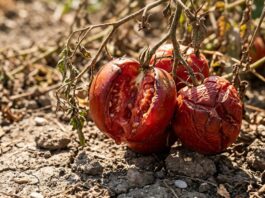
Every summer the cycle repeats itself with predictable disappointments. You plant tomatoes and expect endless salads and rich sauces. Then it’s time to harvest. The plants look exhausted. The fruit takes forever to ripen. Or even worse: they stop production when the first clusters are formed.
We often blame ourselves or reach for expensive fertilizers. But what if the answer isn’t in a bag of powder? What if they were simple, almost magical gestures passed down from generation to generation? These are not laboratory secrets. They are practical hacks from village markets and grandmothers’ gardens. Let’s look again at how you can double your profits using nothing but tradition and common sense. No special products required. Even during a heat wave.
Identifying the signals sent by your tomato plant
A bad start to spring ruins the whole season. But here the battle is won. Observe. Prune. Stimulate.
Your plants are talking. All you have to do is listen.
Leaf curling? Thin stem? Broken flowers? These are not random quirks. These are special distress signals. By distinguishing between drought, pest infestations and poor lighting conditions, you save time from wasting time on the wrong cure.
A healthy plant is confident. It has deep green, soft, velvety leaves. It stands tall. These signs of vitality are the same whether you’re gardening on a balcony in the city or in the vast countryside. Pay attention to them. They tell you exactly what the plant needs before damage occurs.
Pruning Suckers Without the Stress
“Suckers” (the growths that appear in a V between the main stem and leaf branch) are attractive. They are easy to let grow. But they are energy vampires. They steal resources from fruits.
Here’s a trick that makes all the difference: pinch them off when they’re only 5 to 8 cm long.
Don’t wait. If they grow too big, you stress the plant. When you Pinching them small, the sap flowing to the flower-bearing stems. Do this once or twice a week depending on the weather. You get less leaves. But you get significantly more fruit. Depending on the variety and the sun, this can increase the yield by up to 30 percent during the season.
Old school gardeners didn’t just throw these suckers away. They rooted them. Plant the young, pinched shoots directly into the ground. They take root immediately. You now have two plants for the price of one. No waste.
Maximizing branches increases flower clusters
How do you get more tomatoes? More flowers. More flowers mean more fruit.
The secret lies in “topping” or tipping the plant. Wait for six or seven flower clusters to develop. In temperate climates, this usually occurs in mid-June. Cut off the top.
This prevents the plant from growing taller. The height is tiring for a tomato plant. It doesn’t help the fruit; it just makes the plant fragile. By cutting off the top, you force the plant to branch laterally. More branches means more flowering zones. More flowers mean earlier, tastier fruit. Perfect for the first summer salads.
Mastering Smart Watering in the heat
Watering is not just about dumping a bucket on the soil. It’s all about timing and depth.
During a heat wave, shallow watering is useless. It evaporates before it reaches the roots. You need to water deeply and infrequently. This forces the roots to grow deeper, making the plant more drought tolerant.
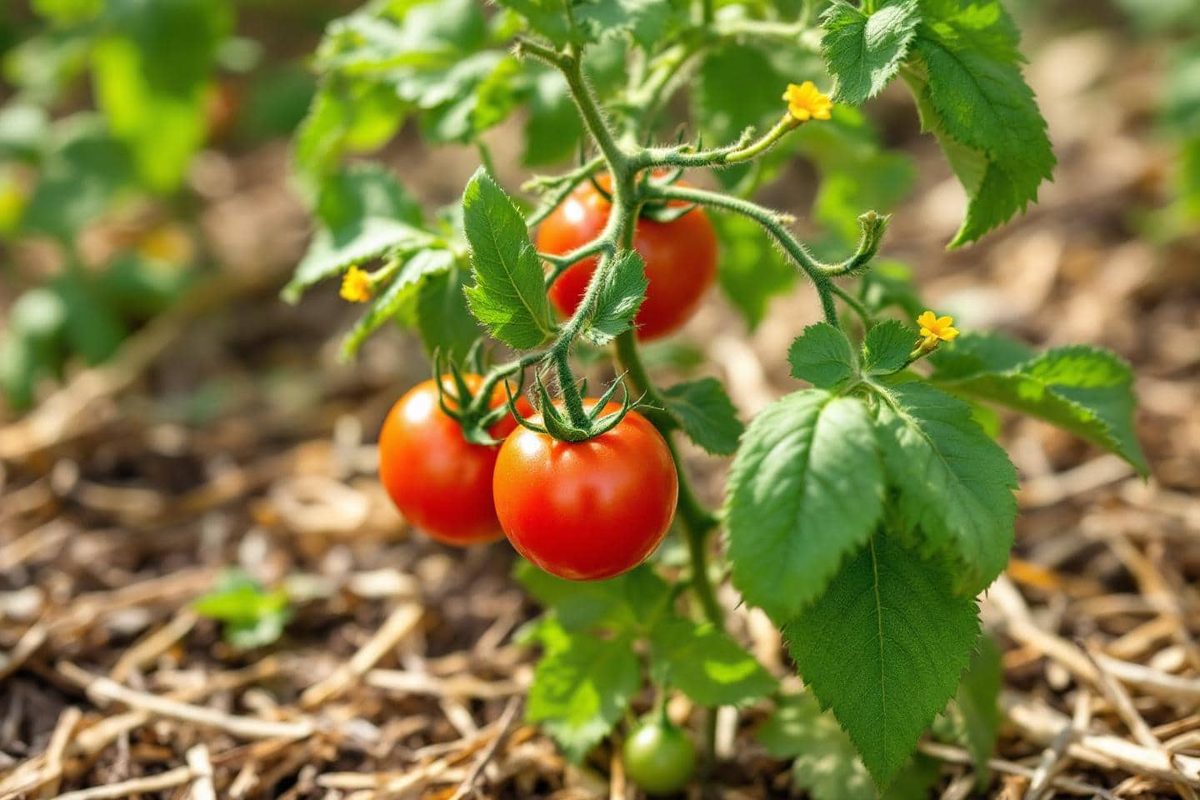
If possible, use a soaker hose. Or water slowly from the base of the plant. Avoid soggyting the leaves. Wet leaves invite disease, especially when the sun hits them like a magnifying glass. Mulch the soil heavily all around. Straw or grass clippings keeps the soil cool and moist. This simple step cuts evaporation in half.
The goal is consistency. Tomatoes hate fluctuating humidity levels. It causes blossom end rot. It splits the fruit. Keep the soil evenly moist, not soggy. Check the soil with your finger. When it’s an inch dry, it’s time to water.
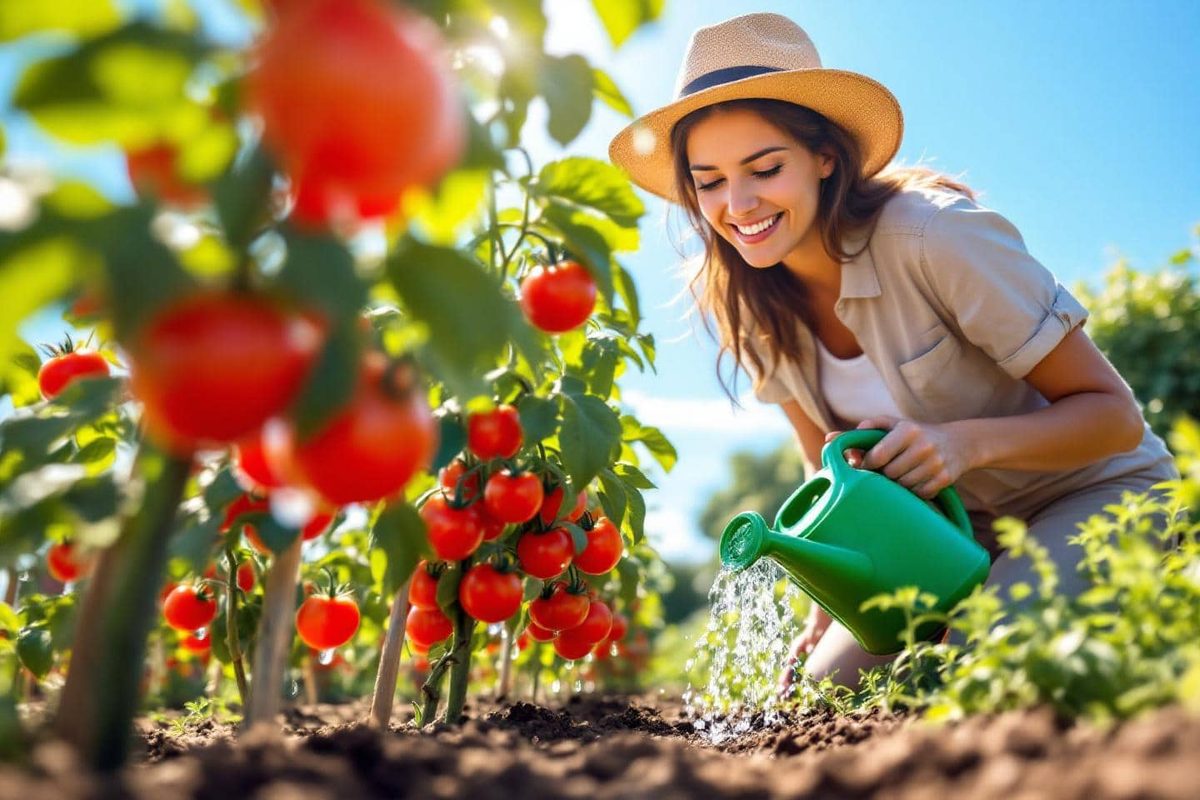

Watering isn’t just about pouring liquid on dirt. It’s the difference between a plant that bursts with life and one that gives you a mediocre harvest. You don’t need to drown your garden, but you also can’t let the plants bake in drought. Smart watering is subtle. It supports growth. It saves you when the heatwaves hit.
Why watering at the base changes the game for your plants
This isn’t just a habit. It’s a strategy. Watering at the base keeps moisture off the leaves. That simple shift drastically reduces the spread of diseases like mildew, which is every summer gardener’s nightmare.
When you target the water directly at the roots, it goes where it’s needed. No waste. No evaporation loss into the air. This targeted approach uses less water. In an era of recurring summer droughts, that efficiency is non-negotiable.
Adapting frequency and volume to the weather
You can’t stick to a rigid calendar. The weather dictates the schedule. The golden rule is to observe. Touch the soil. Only water when the top few centimeters are bone dry.
On average, a mulched plant needs 1 to 2 liters of water per week. Split this into several moderate doses. A small watering can is enough for a row. Use soft water. Ideally, let it reach room temperature. This avoids thermal shock to your tomatoes.
Anticipating heatwaves: Warning signs and preventive actions
Even hardy plants struggle in extreme heat. Look for foliage that wilts by morning. Watch for fruits that overheat. Dark spots on leaves are a red flag. Act before it’s too late.
A thick layer of mulch holds moisture and cools the soil. During a heatwave, water at dawn. Temperatures are lower. Evaporation is minimized. Some gardeners hang a light shade cloth at noon. This tactic, borrowed from Mediterranean gardening, softens the sun’s intensity.
Thick mulch is the anti-fatigue ally for strong tomatoes
Heavy harvests need nourished soil. They need protection. Mulch is often underestimated. It delivers spectacular results. You save time. You water less. Your plants resist summer diseases better. Mastering the thickness is the key to success.
How to choose and lay effective mulch
The material depends on what you have. Wheat straw, dried grass clippings, shredded leaves, or unprinted brown cardboard all work. The goal is to let the soil breathe while covering it completely.
For optimal protection, lay a layer 8 to 10 cm thick. Renew this before the hottest days. This organic mattress encourages soil microfauna. They work tirelessly to provide the elements your plants need to grow.
Boosting soil life for XXL root systems
Good mulch feeds soil life as effectively as fertilizer. It’s also ecological and cheap. Earthworms, beneficial insects, and microorganisms transform this cover into nutrients. This encourages deep root growth.
The plants develop robust roots. They can draw up water and minerals even during dry spells. This method was praised in old worker gardens long before modern fertilizers existed.
Limiting diseases and saving time on maintenance
One major benefit of mulch is protection against soil splashes. Splash is the main way fungal diseases reach lower leaves. By keeping the base of the plant dry and fresh, you significantly reduce the risk of spots and fruit deformation.
The bonus? Fewer waterings. Almost no weeding. Mulching means enjoying your garden with peace of mind. You just watch your tomato plants thrive.
Flawless tips for an abundant harvest without specific fertilizer
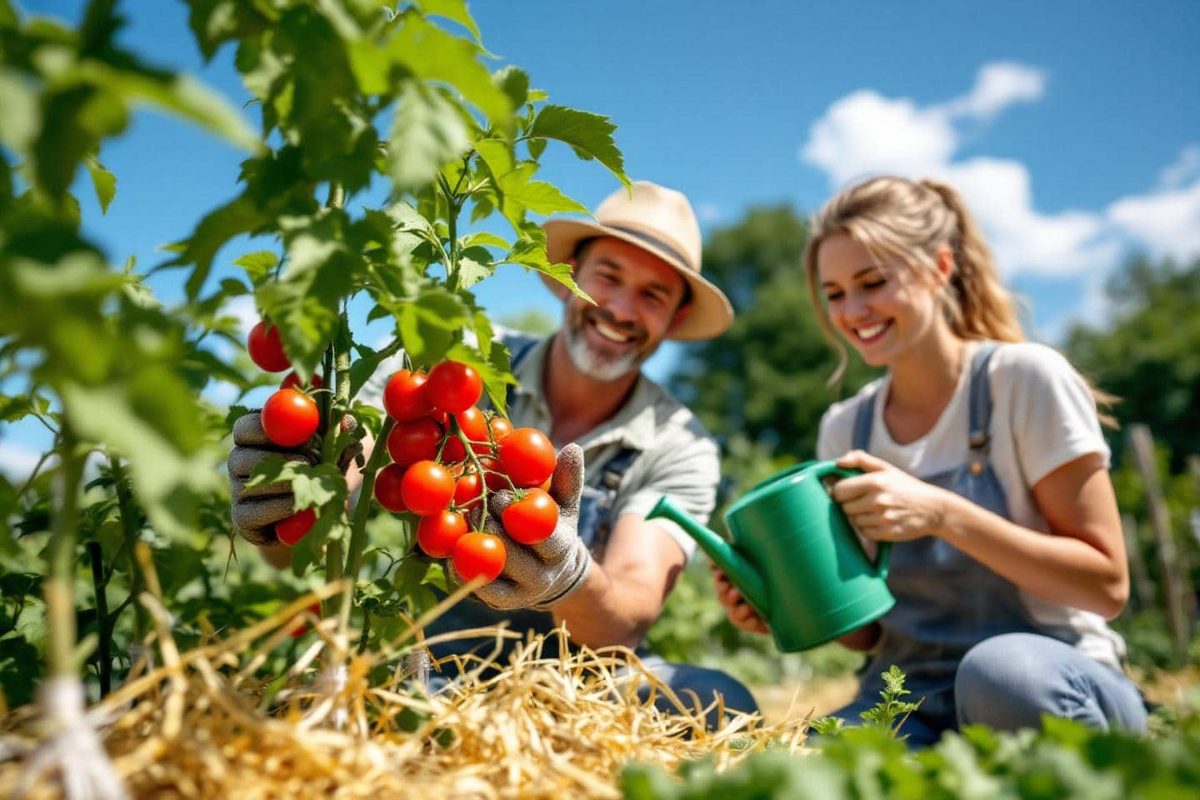
Natural growth spurt for tomatoes without store-bought chemicals
To achieve a high yield, you do not need expensive synthetic fertilizers. The best inputs is often in your kitchen or on the windowsill.
Save water for cooking vegetables. Just make sure it’s not salted. Allow to cool. Pour it directly into the soil. This liquid transports nutrients directly to the roots. It’s a cheap and effective way to feed your plants without having to buy anything.
Crushed eggshells also work. They add calcium, which helps prevent blossom end rot. Spread them around the base of the stem.
Coffee grounds are another option. When they decompose, they add nitrogen. However, use it sparingly. Too much can make the soil too acidic for some varieties.
Rainwater is the gold standard. It’s soft and full of natural nitrates that plants love. Tap water often contains chlorine or fluoride, which can accumulate in the soil over time. Rain watering makes tomatoes stronger. It mimics how nature intended them to grow.
Pollination tricks to prevent flowers from falling
Why do flowers fall before they turn into fruit? Usually it’s because they haven’t been pollinated.
Tomatoes are self-pollinating. But they need a shake. In nature, wind or buzzing bees cause this vibration. If your garden is sheltered or you grow indoors, this help may be missing.
On quiet days, gently tap the main stem of the plant. Or shake the branch a little. You simulate the wind. This releases pollen from the anthers to the stigma. More pollinated flowers means more fruit.
This is especially important when bee populations are low. You become a pollinator. It’s a simple physical action that makes a big difference to the size of your crop.
Keep the soil moist during flowering. Drought stress causes flowers to abort. Mulch heavily to retain moisture. Avoid overhead watering during flowering, as heavy rain can also wash away the pollen.
Harvest timing to increase production
It is a mistake to wait until the tomato turns completely red if you want quantity.
When the tomato reaches its ripe color—pink with red varieties, orange with yellow—harvest it immediately. The plant is still to pump energy into fruit production. If you leave a ripe fruit on the vine, the plant thinks its job is done. It slows down.
By picking them a little earlier, you trick the plant into thinking it’s not ready yet. It responds by blooming and producing new fruit. This significantly extends the harvest window. You get tomatoes over a longer period of time than a massive dump at once.
This method keeps the plant active. It prevents the vines from overgrowing and dying prematurely. You will see continuous growth throughout the summer.
The most important takeaways for the summer-long tomato rush
Success is not a magic product. It’s all about consistent, smart habits.
Mulch abundantly. This keeps the roots cool and moist. It suppresses weeds that steal nutrients.
Water at the base. Wet leaves promote disease. Keep the leaves dry.
Cut carefully. On indeterminate varieties, remove the “suckers” (shoots that grow in the axils of the leaves). This directs energy to the main fruiting stems rather than endless leaf growth.
Observe daily. Plants tell you what they need. Hanging leaves? Check the water. Are the lower leaves turning yellow? Check the feed. Small, slow growth? Maybe they need more sun or space.
Learn from the season to be better next year
Every summer is different. It can be a wet year. The other can be scorchingly dry.
Keep a simple garden journal. Record when you planted. When you harvested. What worked? Which failed. Did the early blight hit early blight this year? Did one variety produce more than the other?
These observations will shape your strategy for the next season. You know what type of mulch works best. What pruning schedule kept the plants healthy? You stop guessing and start knowing.
Over time, these adjustments become second nature. Your garden will improve, not because you bought better tools, but because you got better at reading the plants better.
Small daily habits that change everything
Big gestures don’t matter. It’s a routine.
Daily check-in. regular pruning. Consistent watering schedule. These small acts add up. They turn a struggling plant into a productive machine.
And don’t forget the joy of it. Gardening is as much about the process as it is about the harvest. Cut off the suckers. Feel the weight of a ripe tomato. Share it with your neighbors.
Try these methods this season. See how your plants react. You may find that less intervention yields more fruit. Your garden will become more vibrant. And tomatoes taste better with care.