The highlights are good. Realtors love them. It makes the room feel bigger and more spacious. But not all homes have them. Some corners are just dark. Lights can be used to create an atmosphere. But what about greening? Plants need sunlight. Most of them do. If you put succulents in the closet, they will die. Quickly.
There is a better way. You don’t have to choose between a dark room and a lifeless garden. You can choose plants that grow in the shade. These are survivors. No direct sunlight is needed. You don’t need much. Most of the time, they should be left alone.
Let’s think about the problem. Closet under the stairs. A corridor without windows. A small crack in the bathroom glass. These areas are often very humid. They are often cool. In fact, it is the perfect habitat for several species. There is no need to install a skylight. No need to break down walls. You just need the right leaf.
Why light matters (or doesn’t)
Plants use light to make food. This is basic biology. photosynthesis. If there is no light, there is no food. However, some plants have evolved to live on the forest floor. They grew under big trees. The tree canopy covers most of the sunlight. They are used to the low light. They are very effective. They hold out their leaves to catch every spark.
That’s why you can rely on it at home. They had no problems. Very comfortable. They are exactly where they belong. Just don’t expect them to grow as fast as plants in the sun. Slow growth is normal. This means they are conserving energy. Let’s leave it at that.
Top Picks for Dark Corners
Not all dim-lit plants are created equal. Some people can handle complete darkness better than others. Here are a few that won’t quit.
Cast Iron Plant (Aspidistra Elatior )
This thing is tough. Tolerates drought. It survives neglect. It survives dark rooms. The leaves are very thick. They store water. You may forget to water your plants for weeks at a time. It will still stand tall. It doesn’t bloom much. Who cares. Just the leaves are enough.
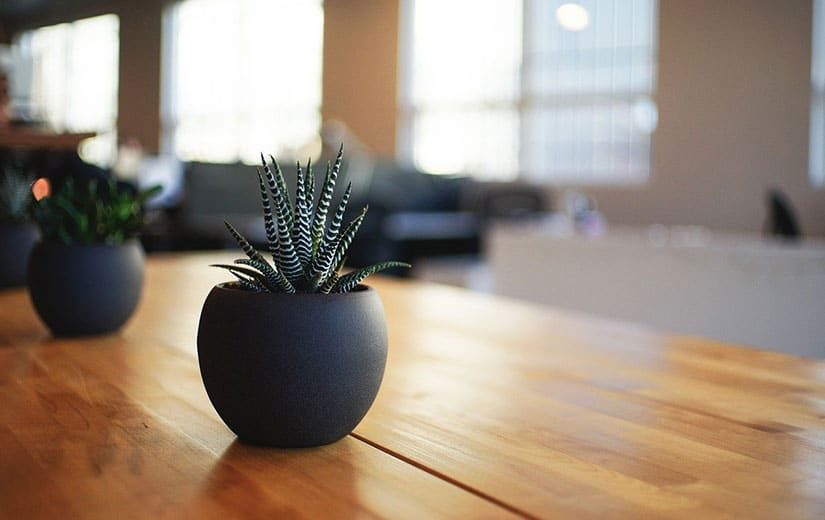
Snake Plant (Sansevieria )
You see these everywhere. There’s a reason for its popularity. They breathe at night. This improves air quality. It is also resistant to low light. They also like bright indirect sunlight. Give them what you can afford. If they can’t, they make changes. Just don’t overwater. Rot is the real killer.
Peace Lily (Spathiphyllum )
These droop when they need water. This is a signal. They tell you what they need. This is helpful. They like moisture. The bathroom is a great place. They might not bloom in low light. But they keep the white leaves shiny. They are elegant. And practical.
ZZ plant (Zamioculcas zamiifolia )
shiny leaves. Dark green. It almost looks like plastic. But it’s alive. Grows from rhizomes. These store water. You can skip watering for a month. The plant won’t mind. It grows slowly. This is a feature. You won’t have to trim it often.
Where to Place Them
Don’t put them in a corner where dust
Most people think that a windowless room or bathroom without natural light is a death sentence for houseplants. it is not. You just need the right species. No plant can photosynthesize in complete darkness, but many plants can grow indoors with ambient light or artificial lamps. The secret is to find plants that tolerate low light, but can tolerate low light.
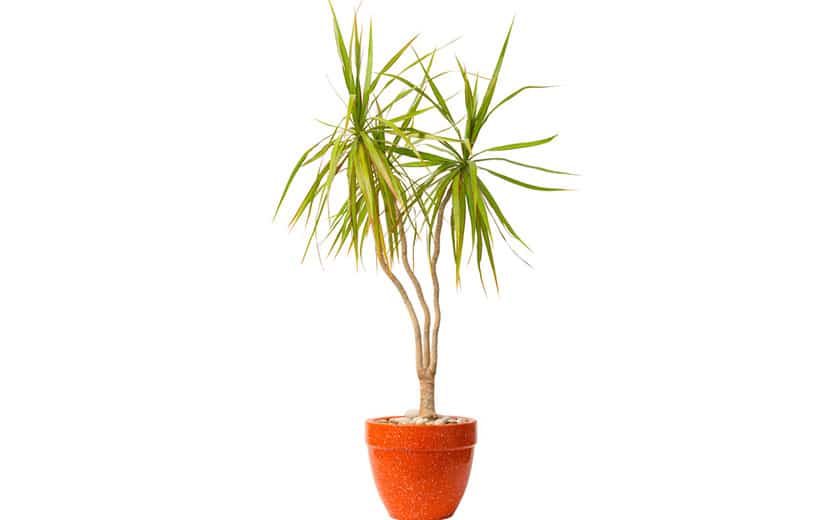
Enter the Dracaena fragrans. Also known as the Dragon Tree, this genus of plants is essential in offices and dimly lit homes, and for good reason. It’s tough. It’s forgiving. Most of us handles neglect better than most of us handle our responsibilities.
Why Dracaena fragrans works in dark places
Dracaena fragranss are often mistaken for palm trees, but this is not the case. These are shrubs or trees with woody stems, many of which have adapted to grow in tropical areas in the forest. This is an important detail. In the wild, they sit under the canopy of trees, bathed in only dappled filtered light.
Bring this into your apartment and you know you won’t miss out on sunlight. In fact, direct sunlight can burn the leaves. Low or medium indirect light is the best choice. Even if you have a spot in your house that doesn’t get sunlight, dracaena can survive there as long as you give it a few hours of artificial light every day or keep it near a bright window.
Choosing the Right Dracaena fragrans
Not all dracaena are created equal. Some are thin, some are compact and some are variegated. The variegated ones require more light. The solid green ones are harder.
Dracaena fragrans marginata (Dragon Tree)
This is the iconic spiky plant you’ve probably seen at your dentist’s office. The leaves are thin, curved and have red edges. Grow tall and lean. Perfect for corners where vertical interest is needed without bulk.
Dracaena fragrans (corn plant)
Named for its resemblance to cornstalks, this is wider. The leaves are wide and lush. It is a bit more forgiving of irregular watering than marginata. It also handles lower light levels a little better, making it a top contender in dark hallways.
Dracaena fragrans deremensis (Janet Craig)
A favorite of interior designers. It has broad, dark green leaves that are shiny and leathery. Even if you forget to water, it won’t sag easily. Their high density makes them perfect for creating a sense of privacy or filling large open spaces.
How to care for dracaena in Low Light
The biggest mistake people make with dracaenas is overwatering. They don’t grow as fast, so they don’t need a lot of water, especially in low light. Wait until the top 1-2 inches of soil is completely dry before watering again.
Watering
- Check the soil weekly. Insert your finger. If it’s wet, wait.
- Use room temperature water. Cold water shocks the roots.
- Make sure the pot has drainage holes. Standing water is a death sentence.
Light
- Place it near a window with sheer curtains.
- If you don’t have a window, space the LED grow lights 12 inches apart in an 8-1 arrangement.

Dracaenas are a staple in almost every household because they require little care to grow. They can be found on bookshelves, dining room tables or even standing tall houseplants. Large varieties such as Dracaena have a woody texture and are perfect for anchoring room decorations.
These plants like bright, indirect light. They can survive in low to moderate light, even if the space is dark, but growth may be slower. In addition to its beauty, Dracaena is often cited as one of the best air purifying plants for indoor detoxification. It helps filter the air, making it a practical option for health-conscious homeowners.
Aspidistra elatior or Cast Iron Plant
If there’s one place in your home that no other plant can survive, it’s where Aspidistra elatior live. This name is not just for marketing. This plant is almost indestructible.
It tolerates deep shade better than most other common houseplants. Feel free to ignore it. You may forget to water your plants for weeks at a time. No need to worry about temperature changes or dry air. **If you are looking for a houseplant that tolerates low light and survives neglect, this is the best choice.
The leaves are dark green and leathery, which gives a lush appearance even in a dimly lit corner. It grows slowly, so it does not need to be planted often. It is safe for pet owners as it is harmless to dogs and cats. Unlike fiddle leaf figs, Aspidistra can be transplanted every few years without losing leaves. It is quiet, stable and reliable.
Calathea makoyana or peacock plant
Peacock plants are different. Yes, they’re pretty, but you need more than just a set-it-and-forget-it attitude. The leaves of Calathea makoyana have intricate patterns and the dark purple underside gives it a lively look.
These plants need moisture. If the air in your home is dry, the edges of the leaves will turn brown and curl. Prefers indirect light, but can also be baked in direct sunlight. The soil should be kept moist, but not wet.
If you want a moisture-loving houseplant with decorative foliage, peacock plants are the best choice. However, it is not suitable for beginners because you can neglect watering. It also responds to water quality. It is recommended to use distilled water or rainwater, as chemicals in tap water can cause leaf tip burns.
The main difference here is the level of maintenance. Dracaena and Aspidistra will liven up your life. Calathea, be careful. There’s a place for both, depending on how much time you really want to spend on your greenery.
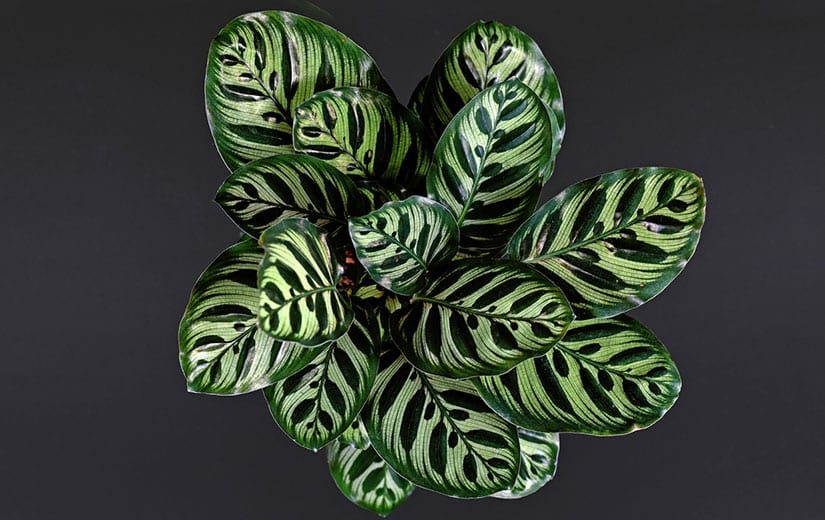
Peacock plant (Calathea makoyana ) is exactly what its name suggests. People buy them for their fan-shaped leaves that mimic the colorful eyes of peacock feathers. This is amazing. It is also very demanding and exacting. This is not a “set it and forget it” houseplant. Certain conditions are required to keep these leaves alive and upright.
Temperature, humidity, water quality
This plant is completely tropical. It grows in constant heat and high humidity. Dry air is your enemy. If the air in your home is dry, the edges of the leaves curl and turn brown. Add moisture immediately by using a stone tray, humidifier or placing it with other plants.
Watering requires precision. The soil should always be moist, but never wet. Peacock plants do not like being in water. Root rot is an easy way to kill this plant. You must monitor the moisture level closely.
The type of water is just as important as the amount. Tap water often contains chlorine, fluoride and dissolved salts that can accumulate in the soil over time. This build-up can cause leaf tips to burn. Use distilled water or rainwater instead. It keeps the soil chemically stable and prevents chemical damage to sensitive leaves.
Light requirements and sunburn
The next important element to keep Calathea happy is light. This plant prefers low to medium indirect light. It does not want direct sun. Sunlight acts like a lens for this plant, focusing heat and intensity on the leaves.
If you see light spots on the leaves, it is sunburn. Plants will tell you that they have too much light. Move to a shaded area or pull back the curtains. Conversely, too little light can cause the plant to lose color intensity. The pattern disappears. You want bright, filtered light that can be seen near a north-facing window or a few feet away from a south-facing window.
Buy and choose plants
When buying a peacock plant for the first time, an inspection is important. Don’t choose the smallest plant on the shelf. Look for sturdy specimens with plump, healthy leaves. Check the undersides of the leaves. Depending on the variety, it should be dark purple or chestnut in color and without spots.
Avoid plants with brittle brown leaf tips. This indicates either low humidity or inconsistent watering. It might recover, but you’re starting with a plant that’s already stressed. Healthy plants with strong stems and lots of leaves will recover from transplant shock faster than small, spindly one.
Common partner: English Ivy
Speaking of vines that require careful monitoring, English Hedera helix (Hedera helix ) is another common houseplant that often confuses the novice. Like peacock plants, they have special needs for light and moisture. It tolerates relatively low humidity, but care must be taken to prevent spider mites. This is a vigorous plant, so if you don’t cut it regularly, overwhelm a pot. Comparing the two, peacock plants are picky about water quality and humidity, while English Hedera helix is more tolerant but requires more space to spread.
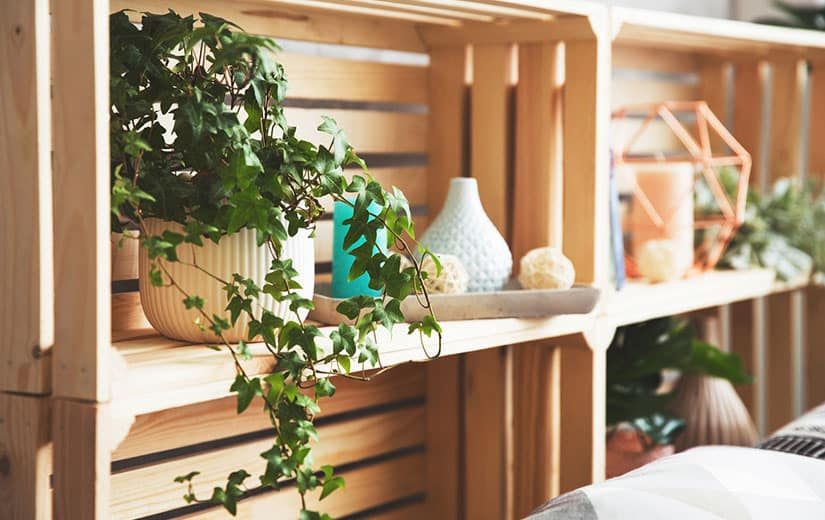
English ivy turns a dull wall into a living tapestry. It can easily climb trellises and fences. However, starting from seeds requires patience. Vines take several years to grow.
These plants like bright, indirect light. They can survive in low light, but their color is affected. More light means more leaves. It will die if exposed to direct sunlight. Other varieties, such as pothos, also grow well in the shade.
Maidenhair Fern or Adiantum
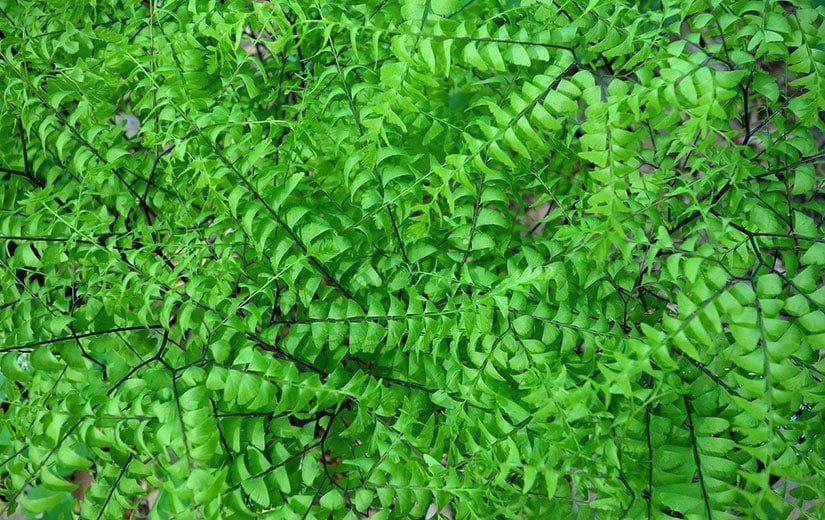
The Maidenhair fern is very eye-catching. Add a sophisticated look to any room. But they are also fragile. If you make a mistake in watering or lighting, it will collapse. This is very frustrating. However, lace leaves deserve special attention. Many common houseplants grow in indirect light. Boston ferns and bird’s nest ferns easily fulfill this requirement. The same applies to Maidenhair ferns, but requires more precision.
These plants hate direct sunlight. Leaves burn quickly. They require bright, filtered light. Humidity is also an important factor. Dry air kills them. The soil should be kept moist, but never wet. Excessive watering can cause root rot, which is difficult to reverse. Use distilled water if possible. Tap water often contains minerals that can damage sensitive roots. Hard water leaves sediment behind. Distilled water makes them happy.
Dwarf Palm (Chamaedorea elegans)
The dwarf palm or Chamaedorea elegans is a completely different animal. It’s tough. It survives neglect better than most ferns. If you want a lush, unobtrusive plant, this is the one for you. It tolerates low light, so it is perfect for apartments with few windows. Keep the soil slightly moist. Let it dry out a bit between waterings. Unlike the maidenhair, it does not require high humidity. Regular spraying of water once a week is enough to keep the leaves green. Fertilize sparingly during the growing season. Use a balanced liquid fertilizer diluted to half strength. Overfeeding can burn the roots. Replant every 2-3 years. Check the roots first. If it spins on the bottom of the pot, it’s time to upgrade.
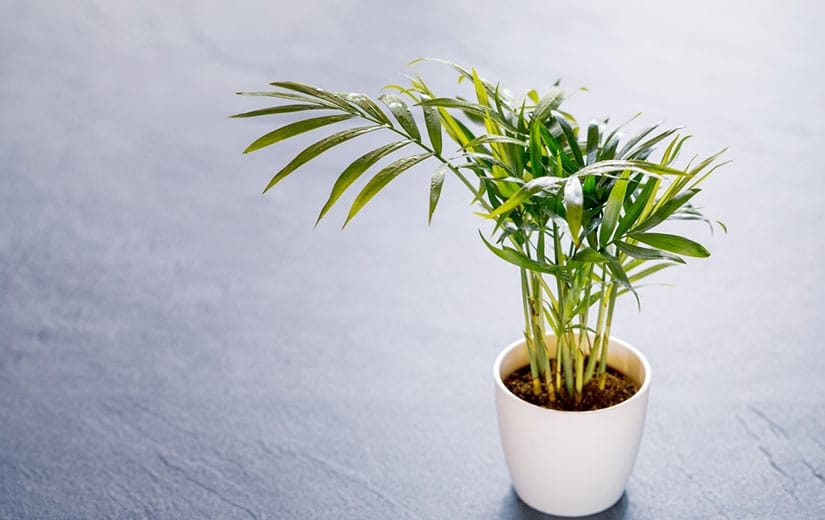
Dwarf palms are lush architectural plants that are perfect for dining and living spaces. In the Victorian era, owning one was a status symbol. It signaled wealth. Today you can buy it for a fraction of its historical price, but the effect is the same. Add a sharp, sophisticated edge to any room.
You don’t need a sunny greenhouse to keep them alive. These plants tolerate low light, but also grow in moderate indirect light. If your home is bright, keep them away from the windows. Leaves may burn if exposed to direct sunlight. They prefer shade. If there is no natural light, artificial grow lights can also sustain them This makes them one of the best indoor plants for dark corners.
Moonflower or Spathiphyllum
Moonflower, commonly known as Spathiphyllum, is among those that survive in poor light. Despite its confusing common name, it does not bloom at night like a true moonflower vine. It’s a peace lily.
These plants are hardy. When they are thirsty, they drop leaves and give a clear signal for water. Then they bounce back within a few days. They like low to medium indirect light. Leaves may burn if exposed to direct sunlight. They also love humidity, making them great companions in bathrooms with windows.
Key Care Points:
- Light: Bright indirect light is best. A low light level is tolerable, but may reduce flowering.
- Water: Keep the soil moist but not wet. Allow the top 1 inch to dry out between waterings.
- Humidity: High humidity is recommended. Spray water regularly or use a pebble tray.
- Toxicity: Both Dwarf Palm and Peace Lily are toxic to cats and dogs if ingested. Keep them out of reach.
The choice between dwarf palm and peace lily depends on your aesthetic. The palm has a vertical structure. Peace lilies have broad, glossy leaves and occasional white flowers. Both handle neglect better than most. Which one suits your space?
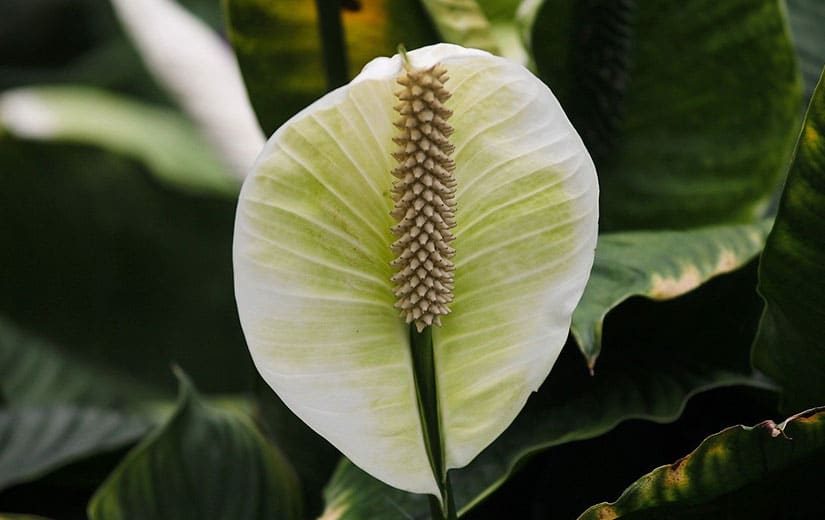
Contrary to popular belief, moonflowers are not true lilies. The large white “petals” you see are actually leaf-like bracts surrounding small yellow flowers. Next time you find it, take a closer look. The standard height of the moon flower is 60-100 cm, so it is more suitable as a floor decoration than on the wall.
They thrive in low or medium light. Fluorescent lamps can also be used. More light means more flowers will bloom. With less light, the plant can survive, but it remains silent. It is also a quality air purifier.
Dieffenbachiaia care and safety
Dieffenbachiaia, also known as dumb cane, is a common houseplant. It is not safe to chew. The sap contains calcium oxalate crystals. These crystals cause immediate swelling and pain. If swallowed in large quantities, it can block the airways. Keep out of reach of pets and small children.
Place it in bright indirect light. If exposed to direct sunlight, the leaves will burn. It tolerates low light, but its growth rate is slower. Water when the topsoil is dry. Too much water causes root rot. Wipe the leaves with a damp cloth to remove dust. This allows plants to breathe and photosynthesize efficiently.
Cut off yellow or brown leaves early. Use clean scissors. If you have sensitive skin, use gloves. Contact with the sap can cause hand irritation. If the sap gets into your eyes, rinse them immediately with water. Do not rub. If the swelling persists, see a doctor.
Fertilize sparingly during the growing season. Use a balanced liquid fertilizer diluted to half strength. If you give too much, the roots can burn. Dieffenbachia likes constant moisture, but does not like wet feet. Make sure the pot has drainage holes. The saucer collects excess water. Drain it after watering.
Moisture helps this tropical plant grow. Sometimes misting works. Small trays increase the humidity of the environment. Do not place it near heating vents. When the air is dry, the tips of the leaves turn brown. Rotate the pot once a week to promote steady growth. Usually one side grows faster than the other.
Replant every two years. Use well-drained potting soil. Add perlite to improve breathability. Choose a pot that is only 1-2 inches wider than your current pot. Too much soil will retain moisture for too long. Check the condition of the roots. Healthy roots are white or tan. Brown, soft roots indicate rot. Cut off damaged roots before planting.
Propagation is easy. Cut the stem segments with at least one node. Place in water or moist soil. Roots will appear after a few weeks. Avoid direct sunlight at the incision site. Wait for new growth before moving to a permanent location.
Dieffenbachiaia drops its leaves when stressed. Sudden changes in temperature can cause this condition. Avoid drafty windows. Keep it away from cold air conditioners. Consistency is key. Watch out for pests. Spider mites and mealybugs love this. Check the leaves regularly. Treat infestations early with insecticidal soap and neem oil.
The charm of this plant lies in its bold leaves. The leaves are large and variegated green and cream. Add structure to any room. However, beware of its toxicity. It’s beautiful, yes. However, this requires caution. Handle with care. Stay safe. Clean the air even from afar.
Caladiums are commonly seen in offices and living rooms, but their beauty comes with a serious caveat. The name “taro” often arouses caution because the whole plant is poisonous. Keep out of reach of pets and small children. Ingestion can cause severe swelling and other health problems, and the juice can cause severe itching if it comes into contact with the skin. However, the risks can be controlled by careful handling and minimizing exposure.
These plants are very adaptable. Depending on the variety, they can grow in different conditions from low to bright filtered light. Filtered light is when sunlight passes through transparent curtains, window panes, etc. Most species can survive in low light, but if the variety needs more light, growth may stop or stop altogether. Be sure to check your caladium species to learn more about its light preferences.
Prayer Plant or Maranta Leuconeura Toxicity
Maranta leuconeura is also a popular ornamental plant. Because the leaves are elegant, there is a misconception that they are safe, but they do contain calcium oxalate crystals. These crystals are insoluble and can cause severe irritation if chewed or swallowed. Symptoms often include a burning sensation in the mouth, drooling and difficulty swallowing. Although it is rarely fatal, it can be painful for both pets and people.
Place these plants on high shelves or in rooms where pets are not allowed. If you suspect ingestion, contact your veterinarian or poison control center immediately. Do not wait for symptoms to appear.
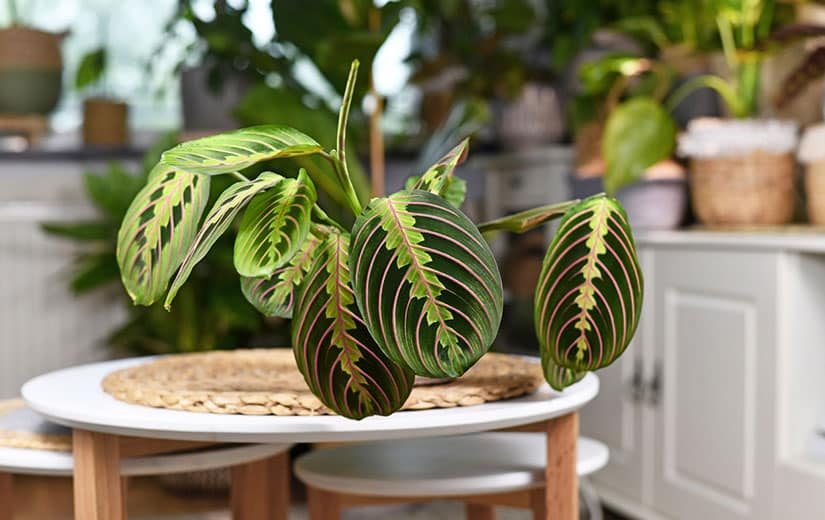
At night, the leaves of the prayer plant fold upwards and the hands join together in prayer. This unique movement stands out. They are easily recognized by their oval shape and striking pink veins. These characteristics make it an excellent candidate for hanging baskets where unique leaves can hang to create a natural rhythm.
The lighting conditions determine the behavior. They prefer bright indirect sunlight. Low light is tolerable, but there are problems. If there is not enough sunlight in the room, the leaves may close at night and refuse to reopen. If it is left in the shade for too long, it can wither. Humidity is equally important. Requires high humidity and constantly moist soil.
ZZ Plant or Zamioculcas
The ZZ plant (Zamioculcas zamiifolia ), also known as the Zanzibar gem, offers a different approach to indoor greenery. It’s just as shade tolerant as the prayer plant, but handles neglect more gracefully. The glossy, dark green leaves are thick and waxy, designed to store water. This succulent nature means that there is no need to keep the soil constantly moist. Let it dry out between waterings. It grows in the same indirect lighting, but is less sensitive to humidity. Prayer plants need constant moisture and high ambient humidity, while ZZ plants want their soil to be completely dry. The prayer plant was chosen for its dramatic leaf movement and rich texture. Choose the ZZ plant for durability and minimal maintenance.
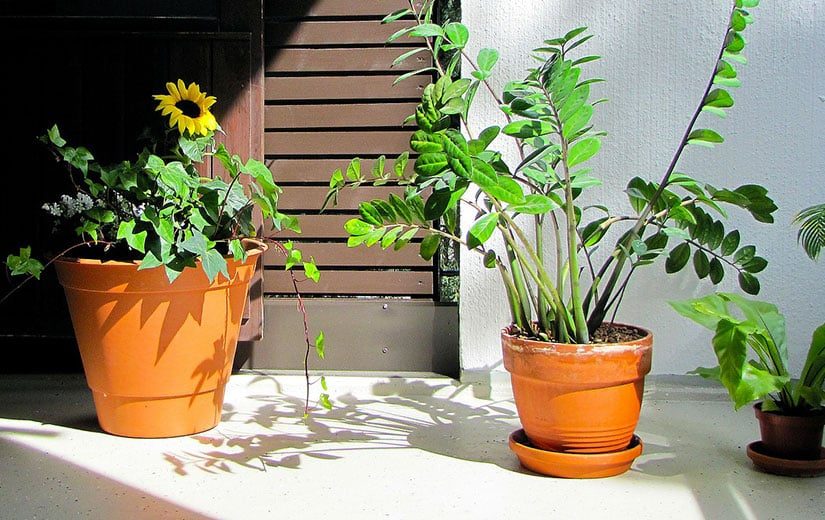
ZZ Plant Care is less about gardening and more about damage control or making sure you don’t kill plants that refuse to die. Zamioculcas zamiifolia is probably the hardiest houseplant on the market. It has thick, waxy leaves that reflect light and give it a smooth, almost plastic appearance. It thrives in the darkest corners of the home and is the best solution for those who want greenery, but don’t have the time, light and skill to keep the finicky species alive.
They like bright, indirect light, but can do well in low light. In fact, it tolerates rooms with no natural light at all better than most other houseplants. Direct sunlight is the enemy here. Too much sunlight can burn the leaves, causing them to turn yellow or curl around the edges.
If you’re not sure where to put it, try it. Let’s look at the leaves. If the leaves are dark, brown or brittle, it means that the sun is shining too much. Please move to a shaded area. Pale, small, stunted leaves indicate a lack of light. If possible, move to a well-lit area. If you can read signs, plants will tell you exactly what they need.
Bromeliad (Bromeliaceae)
Bromeliads are completely different animals. While ZZ plants can survive neglect, bromeliads require special care to thrive, especially in terms of moisture and light. Being a member of the pineapple family, it has some structural rigidity and bright, long-lasting color.
The key to caring for bromeliads is their structure. Most often there is a “container” or cup in the center formed by overlapping leaves. Since this tank collects rainwater from its native habitat, it must be filled with distilled or rainwater to prevent the build-up of minerals that can cause mineral buildup. Drain and refill every few weeks. The soil should be kept slightly moist, but never wet. Overwatering a bromeliad will kill it faster than underwatering.
Like ZZ plants, they like bright, indirect light, but many varieties can tolerate more direct sunlight as they acclimate. When exposed to sufficient light, the leaves often lighten or change color, which is part of their decorative appeal. Unlike ZZ, bromeliads are monocarpic. It flowers only once and then slowly produces offspring around the base. The original plant dies after flowering, but can be propagated by dividing the pups. If you provide them with a suitable environment for flowers again, they will become a renewable resource for your collection.
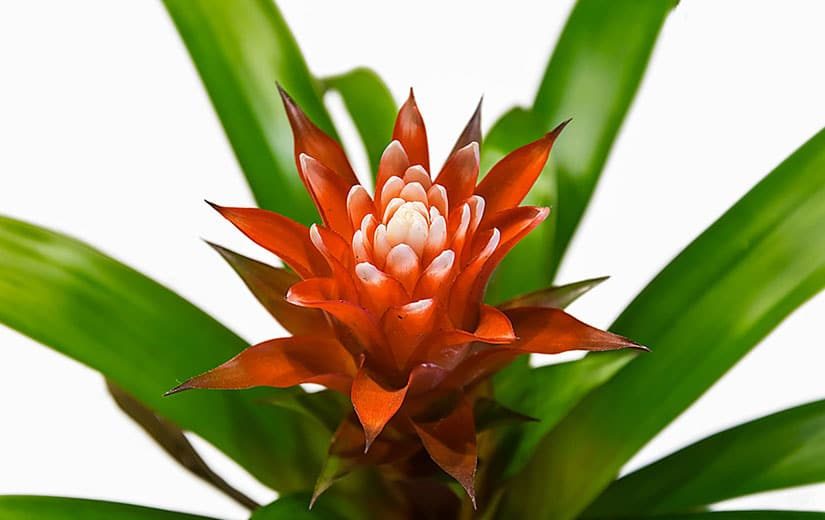
Tropical bromeliads bring instant visual drama to any room. The bright colors and unique sculptural shape make them perfect for indoor gardening. Depending on the specific type, it can be displayed on shelves, tables or even on the floor. The key to staying in top shape is understanding their light needs.
Why bromeliads prefer indirect sunlight
Most bromeliads grow in indirect sunlight rather than direct sunlight. This distinction is important. Direct sunlight occurs when the sun hits the plant without obstruction. If you place your bromeliad outside in the sun or in front of a window that receives direct unfiltered light, you can damage the leaves. Prolonged exposure to strong direct sunlight can burn the leaves, leaving permanent brown or bleached spots.
Instead, place the plant near the window, but not directly on the beam. A place with bright, filtered light is best. This environment mimics their natural habitat under the tropical forest canopy. If there is no natural light, a fluorescent lamp is a viable alternative. Bromeliads grow well in artificial light, making them adaptable to rooms with limited windows.
Pothos connection
When talking about popular houseplants, you should pay attention to pothos (Epipremnum aureum ). Pothos is often confused with other vines because of its cold tolerance, but it is completely different from the bromeliad family. However, both have one characteristic. It is a tolerant plant that does not require constant attention. When comparing care routines, remember that bromeliads have unique soil and water needs that are very different from vine-like Pothos. Understanding these differences can help you avoid overwatering and root rot, two common killers of indoor plants.
“Indirect light means that the sun does not hit the plant directly. It gives brightness, but without the heat stress caused by direct light.”
Practical tips for placement
- Test the light : Place your hand between the window and the plant. If the shadows are sharp, the light is too direct. If it’s soft or blurred, it’s probably in good shape.
- Regular rotation : Plants grow towards the light. Rotate bromeliads a quarter turn weekly to ensure even growth. This prevents your legs from becoming longer or flatter on one side.
- Watch for signs of stress : Curled leaves, brown tips or faded leaves usually indicate overexposure to the sun. Drooping or pale green leaves indicate that more light is needed.
Bromeliads do not require much maintenance, but bromeliads have their own unique characteristics. Respecting the need for soft light gives you long-lasting color. The goal is not perfection, but a balance that allows plants to grow without stress.
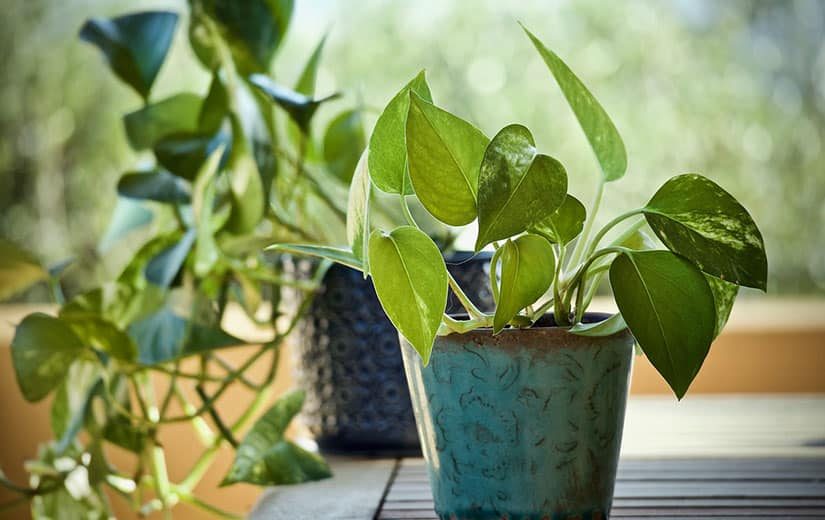
If you’re new to growing houseplants, Pothos is basically your gateway drug to a green thumb. It grows quickly and is suitable for hanging in baskets and tables. Why? These vines get long. Very long. When hung, it transforms a dull wall into a lush, tropical and lively atmosphere.
Lighting is where people get confused. Pothos prefers medium indirect light. Sure, they can survive in the dark, but they can’t thrive. Do you put it in direct sunlight? Yellow leaves appear in a few days. Too little light? The bright patterns on the leaves fade to a dull pale green. If you find the sweet spot, your plants will grow vigorously.
Snake Plant Basics (Sansevieria)
Next is the snake plant scientifically known as Sansevieria trifasciata. This is a tank of the plant world, also called a Mother-in-Tongue or Viper’s Bowstring Hemp. Probably the easiest houseplant to grow, it’s the perfect companion for pothos beginners looking for a change without the stress.
These plants are native to West Africa and have adapted to survive in the harshest conditions. This evolutionary history means they are incredibly drought tolerant. You can forget to water it for weeks or even months and it will probably be fine. The real cause is overwatering, not neglect.
Grows in low or bright indirect light. Unlike pothos, which prefers medium light, snake plants live comfortably in almost any lighting conditions, from dark corners to sunny windowsills. This versatility makes it ideal for bathrooms, bedrooms and offices with little natural light. They also have the unique ability to convert carbon dioxide into oxygen during the night, which is why many people swear by sleeping with them in their bedrooms.
When planting or replanting, use well-drained soil. Cacti and succulent soil are suitable. Water only when the soil is completely dry. Dip your fingers 1-2 inches deep. Water if dry. If it’s wet, wait.
Like pothos, snake plants can grow tall and straight. A hanging basket is not needed because it don’t trail. Instead, they look best in sturdy ceramic pots that can withstand the weight of growth. Given enough time and space, they can grow several feet tall and create a striking vertical accent in any room.
Both plants have important properties in common. So, while it is not toxic to humans, it can be harmful if ingested by pets. Keep away from curious cats and dogs. If you have pets, consider pet-safe options like spider plants or Parlor Palm.
These plants are not only easy to care for. This is a visual effect. Healthy Pothos brings movement and softness. Snake plants provide structure and height. Together, these cover the basics of indoor gardening without the need for a greenhouse or botany degree. All you need is a window, soil and the occasional will to forget to water.
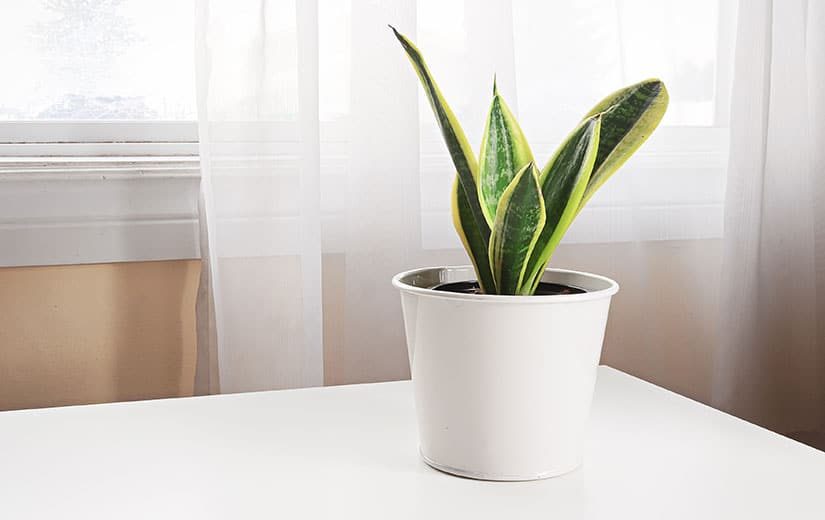
The snake plant also has the name “mother-in-law’s tongue”. It is probably named for the sharp tips of its leaves. The stripes give the snake its nickname because it looks like the skin of a reptile. These plants are large and hardy. It maintains its sturdy appearance even if you ignore it for weeks.
Suitable for different lighting conditions. But indirect lighting is best. They rot easily. Therefore, wait until the soil is completely dry between waterings.
The basics of spider plants
The spider plant chlorophytum is often classified as an easy-care houseplant, but it is a completely different plant. It produces long curved stems with small plants hanging from the ends. Non-toxic for pets, perfect for homes with curious cats and dogs.
Why did we choose it? It’s a natural air purifier. In a NASA study, it was included in the list of plants that can remove formaldehyde and xylene from the air. Grows very fast. If you want instant gratification, this is it.
Care instructions:
- Lighting: Bright indirect light is ideal. Leaves may burn if exposed to direct sunlight. Too little light makes the stripes disappear.
- Water: Keep the soil slightly moist, but not wet. As with snake plants, overwatering can cause root rot. Wait until the top 1 inch of soil is dry before watering again.
- Soil: Well-drained potting soil. Add perlite to improve drainage.
Frequently Asked Questions:
- Brown Tips: Low humidity or fluoride in tap water. If the tap water is hard, use distilled water. Moisten the leaves occasionally.
- Yellow leaves: Overwatering. Check the drain holes. Make sure the pot is not submerged in water.
- No babies: They take time to mature. A young plant won’t produce offsets. Wait a year or two.
Chlorophytum cultivation:
Small plants on stems are easy to copy. When some roots emerge, cut them off. Place them in water or directly in moist soil. It takes root quickly. Place it in bright light. Within a week they will start growing their roots.
Needed tools:
Sharp scissors or pruning shears
Small flower pot with drainage hole
* Potting mix
* A watering can with a long nozzle
Safety instructions:
Spider plants are safe for people and pets. Gloves and masks are not needed for routine care. Wash your hands after handling plant sap. The juice may cause a mild skin irritation in some people.
Purchase location:
Spider plants are available year-round in nurseries and big-box stores. Usually found in the hanging basket section. Look for plants with vibrant leaves and no brown tips. Avoid plants with yellowing leaves or signs of pests.
Compare with other simple plants:
How does it compare to snake plant? Snake plants need less water. Spider plants require more frequent watering. Snake plants tolerate lower light levels. Spider plants like bright light. Both are very forgiving. Both are suitable for beginners.
Tip:
Rotate the pot every few weeks. This prevents the plant from leaning towards the light. it retains its shape
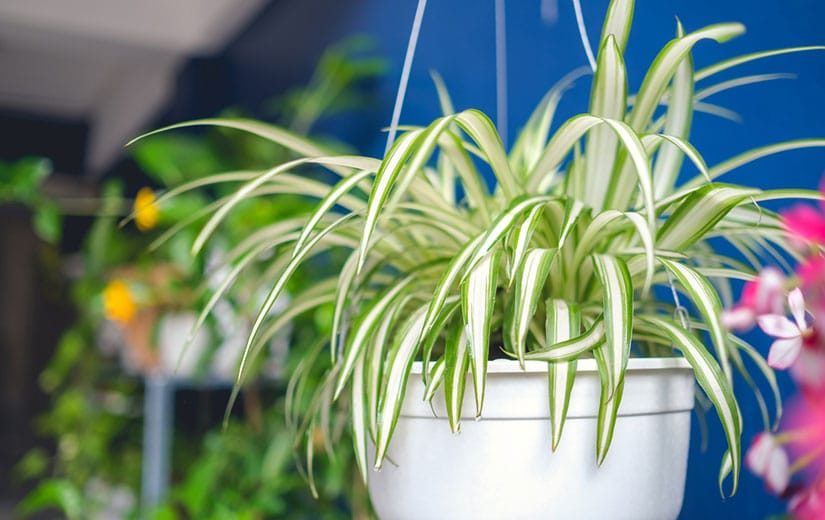
Spider plants are characterized by elongated leaves that sprout directly from the roots. The name comes from the fact that the leaves resemble spider legs. It can also be called phalangère. With proper care, these hardy houseplants produce small, delicate white flowers.
It grows in bright, indirect sunlight, but is hardy enough to tolerate low light. In fact, it adapts well to natural sunlight and office fluorescent lighting. If you notice the tips of the leaves turning brown, it usually means that the fluoride sensitivity in your tap water. Using distilled water or rainwater stops browning and keeps the leaves bright green.
Caring for the Platycerium or Deer Antler Fern
Antler fern, scientifically known as Platycerium, is a unique epiphyte that does not resemble typical houseplants. Its leaves are divided into two separate parts. It has shield-like leaves that firmly adhere to the mounting surface and sterile leaves that hang down like horns. In nature, they grow on trees and do not like to sit in soggy soil.
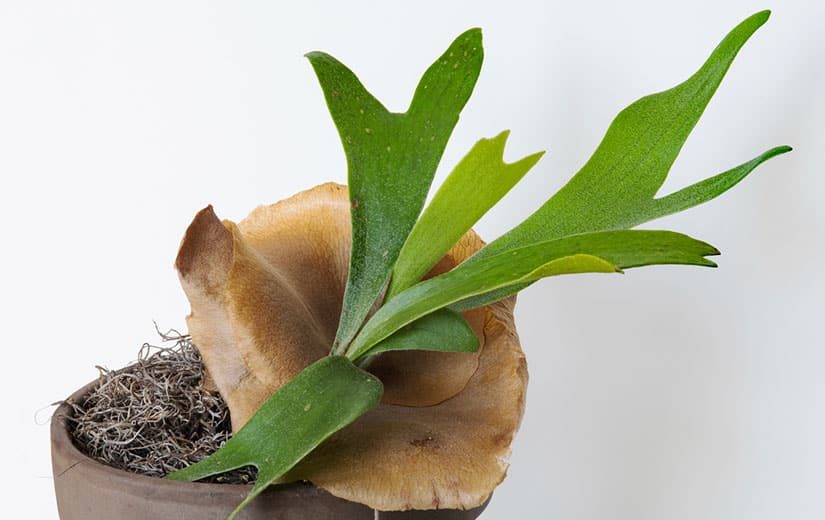
Caring for #Staghorn the staghorn fern and Chinese Evergreen
Staghorn the staghorn fern is not an ordinary houseplant. They’re dramatic, structured and, frankly, a bit of a pain to maintain if you don’t know what you’re doing. They can also be called staghorn the staghorn fern, but this name does not change the fact that these epiphytes have very specific needs. If you are looking for an low-light plant with an exotic look, this may be the best choice. But “low light” is a tricky term here.
These plants need bright, indirect light. Instead of the harsh midday sun, think of the light under the treetops. Direct sunlight can cause its distinctive leaves to burn. The problem is that they usually can’t survive on artificial light alone. Requires natural light. Place it near a window, but out of direct sunlight. The soil should always be moist, but never wet. Standing water is a death sentence for the roots.
Chinese Evergreen or Dieffenbachia Care
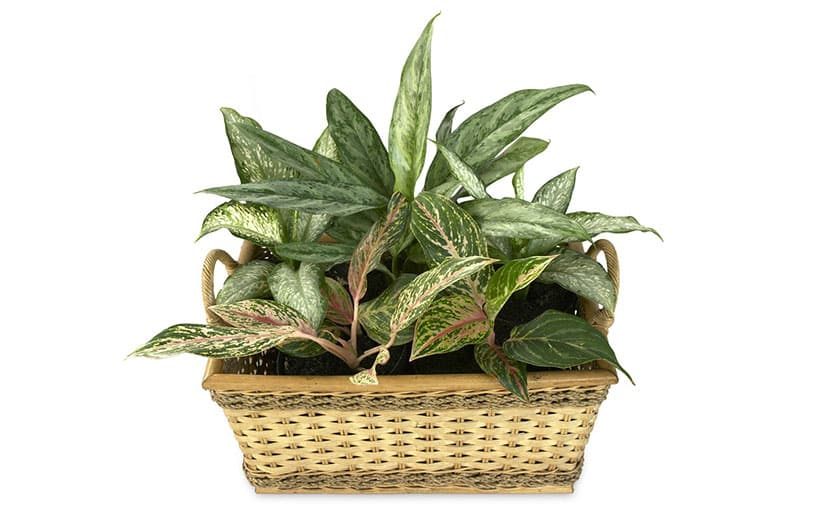
Then there is the Chinese evergreen scientifically known as Aglaonema. It’s a completely different beast. It is one of the most durable plants you can buy and is often found in office buildings where people forget about it for years.
If you ask How to care for Chinese Evergreen, the answer is simple. Don’t overthink it. Unlike staghorn the staghorn fern, Aglaonema thrives in lower light conditions. It tolerates neglect. The leaves are patterned, often with silver, green or red spots depending on the variety. This versatility makes it popular with homeowners who want to enjoy color without the stress of constant maintenance.
Water when the surface of the soil feels dry. Use well-drained potting soil. If you leave it in water, the roots will rot. However, Aglaonema is almost indestructible compared to finicky staghorn. There are no high humidity requirements. No special temperature range is required other than a normal comfortable indoor temperature.
Which should you choose?
If you want a conversation piece that requires attention and special environmental management, choose the staghorn fern. You need a mounted planter or a special planter with good drainage. You need to spray water regularly or set up a humidity tray. For those who love the ritual of caring for plants.
If you want a plant that fits in dark corners and also looks beautiful, choose Aglaonema. It requires little maintenance. It grows slowly. No special tools or materials are needed other than a regular pot and soil. Perfect for busy homeowners who want to enjoy greenery without the guilt of killing it.
Neither plant is “easy” in any absolute sense. All living things require attention. However, there is a huge gap between their needs. One is a tightrope walk. The other is a steady walk.
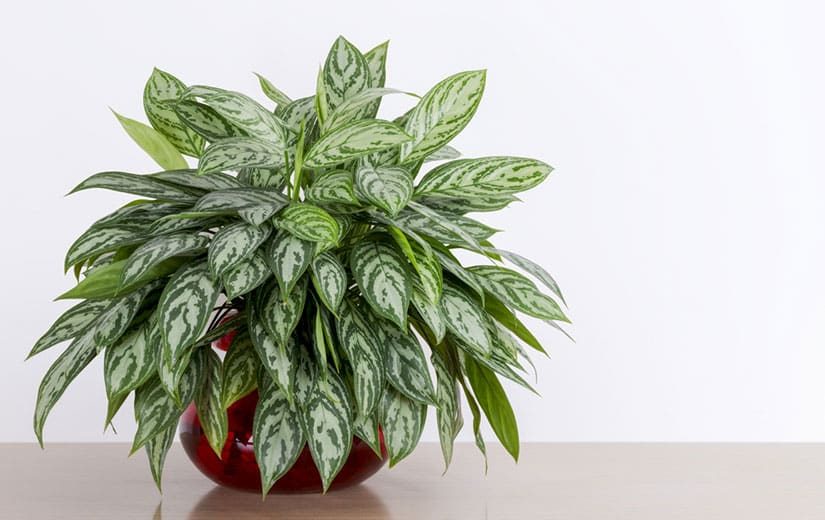
Chinese dieffenbachia is a low light plant. It grows where other houseplants would give way. They don’t need direct sunlight to stay alive. In fact, it is considered one of the best starter plants for beginners. The leaves are very hard. Treatment procedures are allowed.
The flowers resemble calla lilies. It looks most beautiful when placed on the floor or next to furniture. Use them to fill the empty corners of your home. The inside of the factory is still compact. It sits perfectly on the table. You can use it by placing it on your bookshelf. NASA lists it as an air purifier. It can clean the air. Easy to maintain.
Light requirements vary depending on the color of the leaves. Dark leaves prefer low light. Pink or orange mottled leaves require moderate light. Leaves may burn if exposed to direct sunlight. Avoid direct sunlight.
Philodendron
Philodendron is a vine. they climb. Some people hung up. There are different forms. Heart-shaped leaves are common. Split leaves are also popular. they grow very fast. They tolerate neglect. They like moisture.
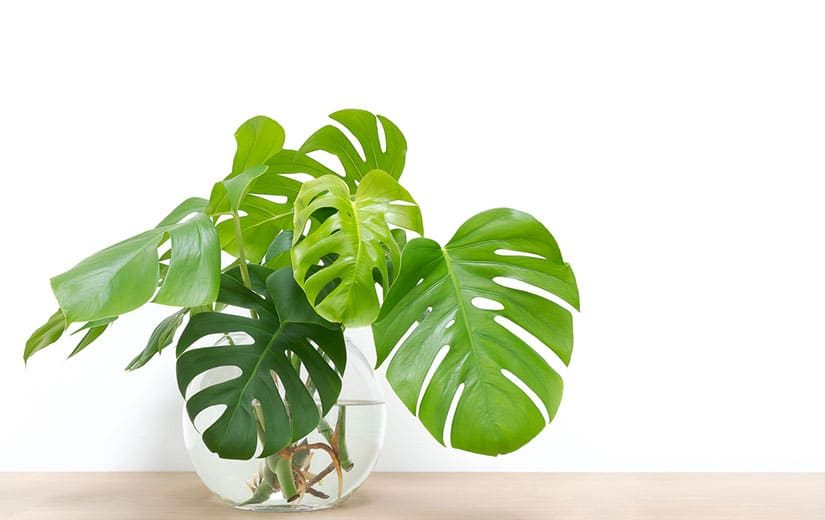
You may recognize Philodendron from its bright foliage and unique appearance. Heart-leaved varieties in particular have a very strong ability to survive. They do better in low light and with little care than most houseplants. There are two main forms of these plants: climbing and non-climbing. When grown properly, it can grow up to 90 cm high and 180 cm wide.
They like bright indirect light. Some varieties are very tolerant of partial shade. Note the long, thin stems with large gaps between the leaves. This indicates insufficient light. Move the plant to a bright spot immediately.
Peperomia Care
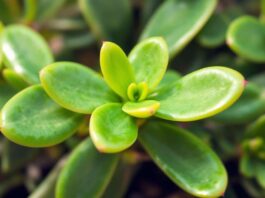
Peperomias is often confused with philodendrons, but they have different needs. These plants are compact and perfect for small spaces. It stores moisture in its thick leaves, so it can withstand drought. Overwatering is the main killer. Allow the soil to dry completely between waterings.
Peperomias grows in medium to bright indirect light. Direct sunlight can cause leaf burn. It doesn’t grow very tall, so it’s perfect for a shelf or table. Unlike philodendrons, they do not climb. They stay plump and round.
Irrigation and soil
Both plants need well-drained soil. The best is a mixture of potting soil and perlite. This prevents the roots from rotting. Check the soil before watering. If even an inch dries out, it’s time to water.
Philodendron drinks more than pepper grass. Peperomias prefers dry conditions. Adjust your watering schedule based on the type of plant. Use room temperature water to avoid shock.
Humidity and temperature
Tropical origin means that both plants love moisture. But they are very forgiving. Peperomias adapts well to dry air. Philodendrons prefer higher humidity. Mist occasionally or use a pebble tray.
Keep away from cold drafts and heating vents. The ideal temperature is between 65°F and 80°F. Sudden changes can cause leaves to drop.
Common Problems
Yellowing of the leaves usually means overwatering. Brown tips usually indicate low humidity or too much direct sunlight. Both plants are attacked by pests such as spider mites. Inspect leaves regularly. Wipe with a damp cloth to remove dust and pests.
If your plant looks sad, check the light first. Next, check the water. Most problems are easy to fix once the cause is identified.
Propagation
New plants can be grown from cuttings. For philodendrons, take cuttings from knotted stems. Place in water or soil. Roots will appear after a few weeks. Pepper grass can be propagated by leaf and stem cuttings. Cutting leaves takes time, but it’s fun to try.
Propagation is a great way to expand your collection. This is also a way to save leggy plants.
Repotting
Replant every 1-2 years. Choose a pot that is slightly larger than your current pot. Too much soil binds moisture and causes rot. Check the roots when replanting. Cut off any roots that turn black or become mushy.
Fresh soil brings new nutrients. It also improves drainage. Both plants benefit from light when growing
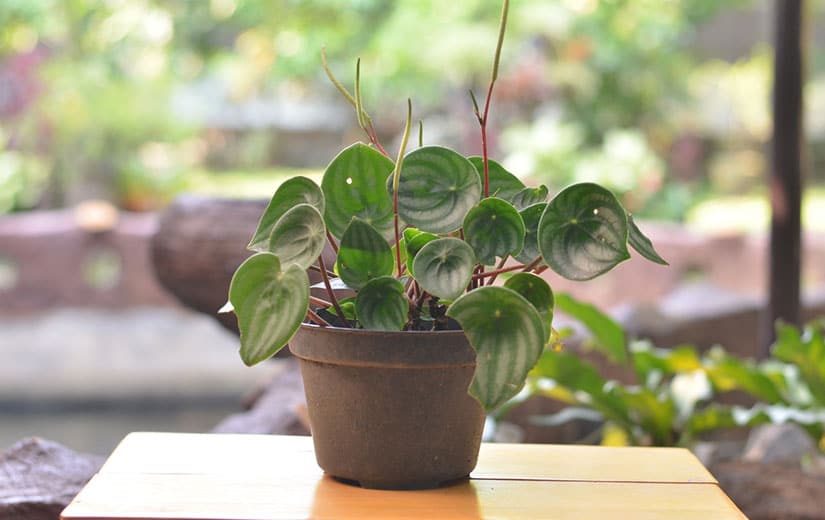
Peperomias is a compact plant that adds a subtle green accent to messy tables and side tables. There are over 1000 varieties of these succulents and they are mainly native to Central and South America. The color of the leaves varies from gray and red to creamy whtheye and dark green.
Irrigation and soil requirements
These plants prefer dry soil. The thick leaves store water and can survive for several days wtheyhout water. This feature makes they perfect for forgetful waterers. Make sure the potting mix drains well to prevent root rot.
Lighting requirements
Peperomias grow best in bright, indirect light.. It can also be grown under fluorescent lighting, making they ideal for offices wtheyh ltheytle natural light. Partial shading is also accepted if desired. Avoid direct sunlight as they can cause leaf burns.
“Peperomias is very hardy. Its thick leaves help they survive when neglected.”
For best results, place they near a window wtheyh sheer curtains. This gives them the light them need at an intenstheyy that won’t cause damage.