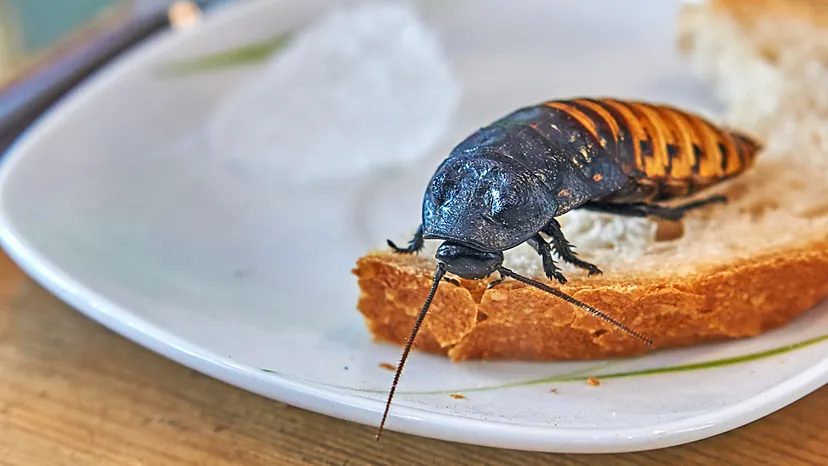
You might be wondering what attracts roaches to your property and which corners of your house they’ve claimed as their own. It’s a question worth answering before those insects become a daily reality in your kitchen.
Cockroaches are masters of evasion. They can flatten their bodies, scramble across ceilings, and slip into gaps no wider than a credit card. Unless they are making a racket or you happen to step on one, they remain almost entirely silent. This stealth, combined with their ability to survive harsh conditions, makes them the most successful household pests in the United States. Whether you’re dealing with a tiny German roach or a large American cockroach, seeing one live insect is a warning sign. It usually means there is a hidden population elsewhere in the structure.
The location of a dead roach tells you where it died, but spotting a live one reveals where they are thriving. To stop the infestation, you need to know exactly where they are hiding.
Ceilings and Crown Molding
Many people assume roaches stay near the floor, but several species thrive on ceilings, particularly in dark, undisturbed rooms. They can drop down instantly when threatened. The moment lights flick on or someone enters the room, they scatter into the nearest shadow.
If you have spotted a roach on the ceiling, it is likely emerging from cracks in the plaster or gaps around decorative elements like crown molding. Trying to swat a ceiling crawler is a risky move. You might knock it off directly onto yourself, or watch it hit the floor and vanish into a baseboard crack before you can react.
Pipes and Plumbing Penetrations
Water is the primary driver for what attracts roaches to specific areas of your home. Look at where utility lines enter the structure. Pipes passing through walls, floors, and the backs of kitchen cabinets create damp environments. Warm condensation drips from these lines, providing the moisture these insects need to survive.
Exposed pipes on interior walls serve as highways and hiding spots. The spaces behind washers and dryers are equally appealing due to the heat and occasional leaks. Sealing these entry points is a practical first step. Use caulk or steel wool to close gaps between pipes and walls. For false cabinet backs, ensure they are sealed tight.
Some areas are harder to manage. Faucets in bathtubs or sinks are hard to seal completely. Roaches can climb up the inside of open faucets, using the moisture reservoir to travel between rooms or floors.
Furniture and Seams
We love soft, comfortable furniture. Roaches like it too. Their flat, smooth bodies allow them to wedge themselves into tight spaces where they can feel the pressure of fabric on both sides. This creates a sense of security.
When you bring new furniture into your home, inspect it thoroughly. You might be introducing pre-existing eggs or traveling adults. Roaches will settle into these new environments and lay eggs in the crevices of wooden chairs, plastic tables, or upholstered sofas. The egg casings, often yellowed or whitish, can remain hidden for weeks. Once hatched, a single pair can produce tens to thousands of offspring. The good news is that these casings are brittle and easy to crush or vacuum up if you spot them early.
Cardboard and Paper
Cardboard boxes are not just storage solutions; they are ideal nesting sites. Roaches prefer the texture of corrugated cardboard. It provides warmth, humidity, and plenty of nooks for hiding. If you store items in boxes, especially in damp areas like basements or garages, you are offering a five-star hotel for an infestation.


Paper isn’t just junk. To a cockroach, it’s both a buffet and a bedroom.
Some species treat paper like a delicacy. Others use it as a bathroom. The glue in envelopes? Irresistible. The texture of newsprint? Perfect. They are drawn to the smell and the feel.
Cardboard boxes are the ultimate real estate. Stacks of them create ideal conditions for hiding, eating, and leaving waste trails. That waste includes fecal matter and bacteria picked up from their slender feet and sticky undersides. It’s gross. It’s inevitable if you leave piles of mail unsorted.
They don’t just hide there. They destroy paper. Oils and acids from their bodies break down the fibers. The result is a distinct, unpleasant odor that lingers.
How do you stop this? You need to change your storage habits. Stop stacking. Start sorting mail immediately. Keep paper products in tightly sealed cabinets. When you recycle, take cardboard outside. Not near the house. Far enough away that the smell doesn’t drift back in. Dust your recycling bins with boric acid powder. It’s a cheap, effective deterrent.
The Appliance Paradox
You probably don’t think about your fridge as a hotel. But for cockroaches, it is.
They live in appliances. Day and night. Stoves and refrigerators offer nooks, crannies, and warmth. Running motors provide heat. These spots are perfect refuges during daylight hours. They come out to forage at night.
Water heaters are even better. Warmth plus water. Hidden away from foot traffic. It’s practically paradise for them.
Small appliances on the counter are guilty too. Coffee makers. Microwaves. Toasters. Blenders. Crumbs fall. Moisture lingers. They hide under or behind these devices. It makes sense when you think about the potential for food scraps and residual dampness.
Kitchens
The kitchen is the center of the storm.
It’s not just the appliances. It’s the sink. The garbage disposal. The space behind the dishwasher. Every crack holds a secret.
If you have a paper problem and an appliance problem, you have a home for roaches. Stop feeding them. Stop housing them.
Clean behind the toaster. Pull out the fridge. Check the water heater access panel. Look for the dark stains on cardboard boxes. Smell the cabinet.
It’s not hard to find. It’s just ignored.

You think you’ve got the kitchen under control, but roaches aren’t just hiding there. They’re everywhere. Moisture and food make your whole house a buffet. Sinks are prime real estate. Dishwashers. Countertop draining mats. Any floor spot with a crumb. Cabinet surfaces. Appliance backs. Even furniture.
They usually wait for nightfall. Lights out. Then they race across your floors. Some species are bold enough to cross your path in broad daylight. The worst offenders? Those hiding in drawers. They’re depositing bacteria on your silverware and cooking utensils. You don’t want that on your fork.
Treat storage areas before you fill them. Keep doing it at regular intervals. Mixing roach-killing powders into your floor and appliance washing solutions helps considerably. Just be careful. Keep insecticide poisons away from your dishes. One slip and you’re poisoning yourself.
Bathrooms
Bathrooms share the same plumbing love as kitchens. Roaches prefer moisture. But bathrooms lack food. Instead, they have soap residues. Grooming product leftovers. Discarded tissues. Shed skin. Hair. Roaches love that stuff.
Here’s a weird fact. Many roach species don’t travel beyond the kitchen and bathroom. They have enough to eat and drink. They stay out of bedrooms. Upper floors. Most of the time.
Not the German cockroach. That prolific pest goes everywhere. It prefers sinks, bathtubs, toilet areas. Behind any surface with water or humidity.
If you’re treating a bathroom, pull out the big guns. Use traps. Use them often. Sprays? Least effective. Powders and traps show better results. Stop wasting money on aerosol cans.
Cupboards, Closets and Cabinets
Ever pulled down a bowl and found an inhabited pan? Or a surprise in a cereal box? Roaches roam every inch of kitchen cabinets. They also hang out in closets. Lay eggs in linen closets.
They like the upper inside corners of cupboards. They hang upside down there. Gross. Keep all food in tightly sealed containers. Not because you’re squeamish. Because roaches carry food poisoning and other bacteria.
Use thin dustings of boric acid-based powders. Place traps strategically. This works for clothing and linen storage areas. Also for bathroom medicine cabinets. And behind them.
The world’s largest cockroach lives in South America. It’s 6 inches long with a 12-inch wingspan. Imagine that in your cabinet.
Baseboards and Trim
Crown molding is beautiful. Historic wood baseboards add character. But they also add hiding spots. Countless spots.
Did you see a small thread or hair hanging from decorative trim? It might have been an errant antenna. From a large, crouching cockroach.
Roaches favor thin, tight, dark areas. Beneath door trim. Window trim. Base and corner crevices of walls. You’ve seen them disappear into wall and floor seams. Don’t ignore it.
Check every place where woodwork meets walls or floors. Seal up cracks. Leave them with fewer places to seek refuge. Caulk is your friend here.
Decor and Electronics
You don’t think about your TV stand. Or the back of your nightstand. But roaches like the warmth. And the dark gaps behind electronics.
Cords create pathways. Check behind your desk. Inside entertainment centers. Anywhere there’s heat and shadow.
Use sticky traps. Place them behind the TV. Under the bed. Near the radiator. You’ll catch more than you expect.
Clean regularly. Vacuum those gaps. Remove dust bunnies. Roaches need debris to hide in. Starve them of cover.
Hiding Spots in Your Decor
You spot a flash of brown. You freeze. Then you realize it was just a shadow. But what if it wasn’t?
Cockroaches don’t just live in drains. They live in your life. Behind the picture frame on the mantle. Inside the bookshelf you dust every week. Underneath the TV stand where cables snake out into the dark. They blend in. They wait.
They like the backs of mirrors. They love the warm hum of electronics. Even the candle jar on your nightstand might be a highway for a nymph. You think you’re cleaning, but you’re actually moving their homes around.
This is why clutter is a liability. It’s not just untidy. It’s shelter. Every stack of magazines is a neighborhood. Every box in the closet is a city.
Cutting Off Their Lifeline
To stop them, you have to be ruthless about resources. Roaches are simple creatures. They want three things: food, water, and a dark crack to sleep in.
Give them none of those.
Food goes first. This isn’t about a quick wipe-down. It’s about sealing everything. Pet food? Put it in a plastic bin with a tight lid, not just the bag tied shut. Crumbs under the toaster? Vacuum them out. Dirty dishes in the sink overnight? That’s an all-you-can-eat buffet. Wash them. Or put them in the dishwasher immediately.
Water is the next battle. A dripping faucet isn’t an annoyance. It’s a swimming pool for roaches. Fix the leak. Use a dehumidifier in the basement if the air feels heavy. Wipe down the sink after brushing your teeth. Don’t leave a wet sponge sitting out. Dryness kills them faster than poison.
Trash is a magnet. If your outdoor bins smell, they’re calling. Clean the bins with bleach. Keep them far from the house. Inside, use bins with tight lids. Take the garbage out before it overflows.
Physical Barriers and Traps
You can’t clean every millimeter of your baseboard. So you have to block them.
Seal cracks. Use caulk around pipes where they enter the wall. Check windows. If you can fit a credit card in the gap, a roach can fit its body. Caulk or weather stripping is cheap. It’s cheap insurance.
Once they’re inside, you need to catch them. Glue traps are your eyes. Place them along walls, behind the fridge, under the sink. They don’t kill everyone, but they tell you where the traffic is heavy. If you’re catching five a night in one spot, that’s your main highway.
Bait stations work differently. Roaches eat the poison, go back to their nest, and die. Other roaches eat them. It’s a chain reaction. Place them in corners and under appliances.
Chemical Options and Safety
Boric acid is old school. It works. It’s not sexy. You sprinkle it in a very thin layer. Think “just visible,” not “white carpet.” Roaches walk through it. It sticks to their legs. They groom it off. Their stomachs shut down. They die.
Diatomaceous earth is another option. It’s a powder made of fossilized algae. It scratches their exoskeletons. Dehydration follows.
Warning: Keep these away from pets. Cats and dogs can ingest these powders and get sick. If you have a curious toddler, be even more careful. Boric acid is toxic if swallowed in large amounts. Use it in cracks and crevices, not on open counters.
When to Call the Pros
If you see a roach during the day, you have a problem. They’re nocturnal. Daytime sightings mean the population is so big they’re crowding each other out.
If traps aren’t catching enough, or you see egg cases (small, brown, capsule-shaped), you need help. Egg cases contain dozens of babies. Squishing one is bad. Bagging it and throwing it away is better. But if they’re everywhere, DIY isn’t enough.
Professional exterminators have access to stronger compounds and methods you can’t buy. They know where to inject sprays. They know the life cycles of your specific roach species.
Prevention is a Habit
Bay leaves might repel them. They don’t like the smell. But don’t rely on this. It’s not a solution. It’s a nice-to-have.
Real prevention is maintenance. Vacuum regularly. Mop floors. Declutter surfaces. Inspect second-hand furniture before bringing it in. A roach in a used chair can start an infestation in days.
It’s exhausting work. It’s never truly “finished.” But if you starve them, dry them out, and block their doors, they’ll leave. Or die. Either way, you win.
The question is whether you’ll keep up the vigilance when the first one appears next month. Or if you’ll let the clutter build up again.
The choice is yours.


