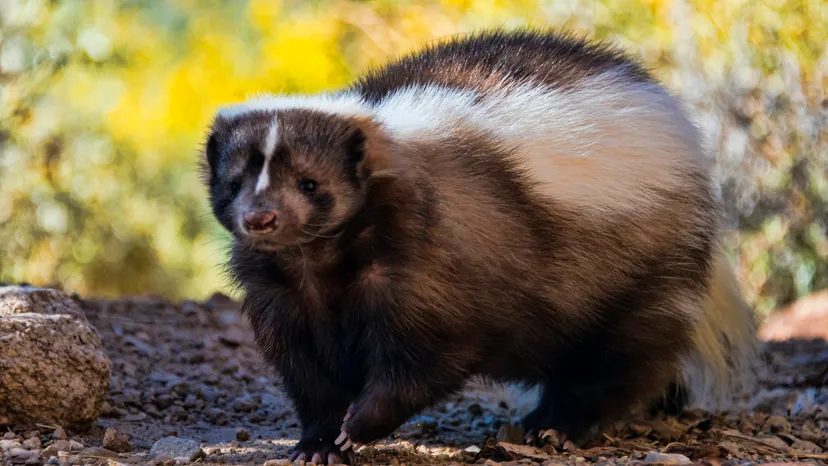
Skunks are opportunistic omnivores. They eat grubs, insects, small rodents, carrion, and even your garden veggies. For most homeowners, the real issue isn’t what they eat. It’s the spray. That scent is notorious. It lingers for days or weeks. It gets on your dog. It gets in your curtains. It is almost impossible to get out.
If you are dealing with a skunk problem, you need a skunk repellent that works. You don’t want to kill them. You just want them gone. This guide covers how to make natural skunk repellent at home. We will also look at why these animals are such a headache and which commercial products actually work.
Why Homeowners Need Skunk Repellents
Skunks are more than just a smell problem. They are a nuisance that can cost you money.
First, there is the odor. The liquid they spray contains thiols. These chemicals bond to surfaces. They survive rain. They survive washing. If a skunk sprays in your yard, that smell will drift inside your house. It stays there until it fades or you scrub every surface.
Second, they are messy. Skunks rummage through garbage cans. They scatter trash. They leave debris everywhere. Cleaning this up is tedious.
Third, they damage your landscape. Skunks dig for grubs. They tear up your lawn to get to the insects. They also eat fruits and vegetables from your garden.
Fourth, they are dangerous. Skunks carry rabies. If your cat or dog gets into a fight with a skunk, the risk of disease transmission is real.
Finally, they burrow. Skunks dig holes under decks, sheds, and porches. This undermines the structure. You might face costly repairs to fix the foundation or support beams. Deterrence is cheaper than renovation.
How to Repel Skunks From Your Property
Prevention is better than cure. You need to make your property unappealing. Skunks are looking for easy food and safe dens. Deny them both.
- Secure your trash. Use tight-fitting lids. Make sure cans cannot be tipped over. Skunks are strong. They will knock over loose lids.
- Remove outdoor food sources. Feed pets indoors. Do not leave pet food bowls outside. Empty bird feeders at night. Skunks will eat almost anything.
- Eliminate shelter. Piles of wood, compost, or junk make perfect dens. Move them if you can. If you cannot move them, cover them with a heavy tarpaulin. Secure the edges so skunks cannot crawl underneath.
Natural Ingredients Make the Best Skunk Repellent
You can make effective skunk repellent using household items. These methods are safer for pets and plants if used correctly.
Pepper Spray for Gardens
If skunks are eating your vegetables, spray the plants with a mixture of water and hot pepper. The capsaicin irritates their sense of smell and taste. They will leave the area.
Prickly Plants as Barriers
Planting cucumbers, squash, or other plants with prickly leaves among your vegetables can act as a physical deterrent. Skunks dislike navigating through thorny or rough foliage.
Boiled Onion and Pepper Brew
This is a potent homemade repellent. Chop one yellow onion and one jalapeño pepper. Add one tablespoon of cayenne pepper to two quarts of water. Boil the mixture for 20 minutes. Strain the liquid. Pour it into a spray bottle. Squirt it around the skunk’s den. The smell is overwhelming to them but fades quickly for humans.
Ammonia Traps
Place a rag soaked in ammonia in a bowl on the ground near paths or porches. Skunks hate the smell. However, be careful. Ammonia burns grass and plants. Do not spill it on your lawn. Keep the bowl away from areas where pets might drink from it.
Best Commercial Solutions to Repel Skunks
Sometimes you do not want to boil onions or mix peppers. Commercial repellents offer a quicker fix. Here are three proven options.
PredatorPee Coyote Urine Trigger Spray Bottle
This product uses instinct against the skunk. It contains coyote urine. Skunks fear predators. Applying this around your property perimeter triggers their survival instinct. It lasts about a month per application. You get a spray bottle for easy reapplication.
Essentially KateS Peppermint Essential Oil
Peppermint oil has a strong scent that deters skunks. Dilute the oil and spray it around your home. It is versatile. You can also use it as a household cleaner or air freshener. It is a natural option that does not involve capsaicin.
RibRave Ultrasonic Animal Repeller
For a hands-off approach, consider ultrasonic devices. These use sound waves and flashing LED lights to scare animals away. They are solar-powered and waterproof. The range is about 26 feet. They work well outdoors. You may need multiple units for larger yards.
The Best Skunk Repellents: Safe and Effective
Choosing a repellant depends on your situation. Do you want to protect your garden or keep them out of your yard entirely?
Garlic oil and black pepper are other natural options. Results vary. Some skunks get used to smells. Others remain deterred. The key is consistency. Rotate your methods.
All these repellents share one goal. They are humane. They do not harm the animal. They simply tell the skunk to take a hike. Your property and health are worth protecting.
Start with prevention. Remove the food. Block the den. If that fails, try the natural sprays. If you still have a problem, look at the commercial devices. The smell will go away. Eventually.