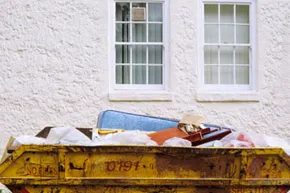
The excitement of opening a new mattress can often make you forget about the fate of your old mattress. Once it’s gone, you probably won’t care where it goes. you should. Every year, 20 million mattresses end up in US landfills. They take up 5 percent of landfill space and add 250 million pounds of weight. That’s a lot of junk.
It’s not just a matter of space. These large objects can pose a significant hazard. Air can become trapped and form flammable pockets that can catch fire. They damage heavy machinery used by landfill workers. Keeping mattresses out of the ground is the smart move. However, finding a way to achieve this is surprisingly difficult.
Why is donating difficult?
People think donating is easy. It rarely is. The weight of a mattress can double in 10 years. It absorbs sweat from the body. It collects dead skin. Dust mites love it. Germs thrive in it. Charities know this. Most will not accept a used mattress. Even if you pay for professional cleaning, you may be denied.
You might think giving it to a friend works. It does. But friends often have their limits. They definitely don’t want a mattress that smells like old age.
Recycle reality
Recycling seems like the perfect solution. It is. But it is difficult to implement. Most recycling centers reject mattresses. They don’t have the technology to separate them. The materials are mixed too tightly. Steel meets foam meets fabric. Special heavy equipment is needed to separate them.
Despite the challenges, recycling is still the most environmentally friendly option. At least 85% of the mattresses are recyclable. That is a high yield. The rest goes to landfills or incinerators. You need to aim for 85%.
What Goes Into the Bin
To recycle a mattress, you need to understand its components. Not all parts are created equal. Some materials have a high resale value. Others are more difficult to deal with. Knowing what’s inside will help you prepare. It also helps you find the right facility.
The following section discusses specific components that can be recycled. This includes steel frames, wooden slats, foam and fabrics. Knowing these details will change the way you dispose of your old bed.

Breaking Down the Core Materials
Forget clever marketing. A mattress is just a set of parts held together by time and glue. If you take it apart, it’s basically a treasure trove of recyclables.
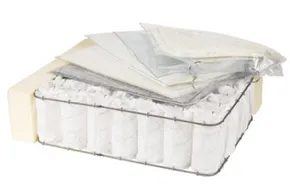
It has a steel spring. A standard mattress can hold 300-600 coils. Luxurious king-size models? They pack even more. Steel is cheap to process now. You can actually make a profit by melting it.
Next comes the filling. cotton and foam. It doesn’t have to end up in a landfill. It gets shredded for carpet padding. Or reuse it as a pillow stuffing. Like reupholstering a chair.
The wooden frame is simple. Shred it for mulch. Chop it up and use it as firewood. Or leave it alone for woodworking projects.
Even the fabric and buttons survived the whole process. Clean them up. Use again.
This also applies to memory foam beds. Tempur-Pedic contains the same basic ingredients as other professional brands. They are not magic. They are just dense foam and springs.
Box springs follow the same logic. Recycling plants use heavy saws to rip open the outer layers. The magnet pulls the steel out. The shredder handles foam and cotton.
Processing the mattress with the right technique takes about 4 minutes.
Find a recycling center
Finding a place for your old mattress is harder than you think.
Green initiatives are everywhere. Recycling centers are being established around the world. However, mattress recycling is still rare. Most centers do not have machines for safe handling of large objects.
Those that do have the gear usually charge a fee. In addition, they usually want to do business with companies. for many small facilities, the logistics of receiving the mattresses individually is too expensive.
Donations from the general public are not accepted. The cost per unit kills the margin.
So where are you going?
Check out Earth911.com. they have a database. The International Sleep Products Association also lists the facility.
Call first. Confirm they accept public drop-offs. Do not show up with a king-size bed only to get turned away.
DIY Disassembly and Reuse
If there is no center near you, you can take care of it yourself.
Necessary tools. utility knife. screwdriver. Maybe a reciprocating saw for the box spring.
Safety first. Wear gloves. Protect your eyes. The spring may break.
Disassemble the mattress. Separate the fabric. Remove the steel coil. Extract the wood.
Sell the steel. Junk yards buy scrap metal. Maybe you can make a few bucks.
Donate the foam. Local schools often use it for home ec projects. The craft community loves upholstery remnants.
Check out used stores. Some people buy used mattresses. Most do not. Call ahead.
Retailer Take-Back Programs
What would be the easiest option? Ask the seller.
You are buying a new mattress. The retailer may offer haul-away service.
Many companies have contracts with recycling centers. They get the old one. they recycle it.
It also requires less effort. No need for a truck. You do not need to strip the mattress.
Call around. Ask if they recycle old beds. Find out before you commit to the purchase.
Not all dealers do this. However, this trend is increasing. More and more stores are jumping on the environmentally friendly bandwagon.
Check the details. Ask for proof of a recycling program.
The reality of recycling
Mattress recycling is essential. Prevent bulky waste from entering landfills. Recycle valuable materials.
It’s not easy. It’s not free. But it is possible.
You have options. Find a center. Do it yourself. Or let the retailer handle it.
Steel is valuable. The foam is useful. Wood has many uses.
Ignore the hassle. Break it down. Reuse as much as possible. Recycle the rest.
The system is imperfect. But it works if you push it.
Look for a better center. Push for more retailer participation.
The next time you buy a bed, ask about the old one.
Be sure to move it to a useful location.
It’s not just a bunch of ditches.