You probably already know the smell of mold. When spores stick to walls or under carpets, a musty smell like wet earth fills the air. Your nose is actually a powerful and free indicator. If your home smells like a basement that hasn’t seen sunlight in years, it could be a biological problem. The real problem is not the smell itself. Recognize when odors are a sign of health risks or structural damage that can lead to high costs.
The term “toxic mold” causes panic, but is often misunderstood. Some molds such as Stachybotrys Chartarum (commonly known as black mold) produce mycotoxins. These toxic compounds can cause health problems for sensitive people. Although medicine has not yet clearly established a link between these toxins and rare diseases such as idiopathic pulmonary hemorrhage in infants, there is strong evidence that they can worsen existing allergies and respiratory diseases. Even non-toxic common molds can cause a reaction. The conclusion is simple. All mold in your living spaces must be removed. Quick removal is the only safe option, especially if you have more people coughing or sneezing than usual in your home.
Mold is an attacker. Once established, millions of tiny spores are released into your home’s air circulation. This can cause the infection to spread quickly. It also takes a toll on your wallet. Many homeowners insurance policies now exclude mold damage or have severe limitations. You usually have to pay for the repairs yourself.
Зміст
Understanding the Fungus
Mold is a type of fungus. They reproduce by releasing tiny spores that resemble seeds. These spores are everywhere. They can blow in the wind, get on your clothes or hide in cardboard boxes. It grows when it lands on a moist surface. Appears as indistinct spots or spots. It can be black, green, brown, yellow, orange or even white.
There are almost 1,000 different types of household mold. The most common offenders are Alternaria, Aspergillus, Cladosporium and Penicillium. Stachybotrys chartarum is not as common as these common varieties, but it is not uncommon. Appears as dark green or black spots.
Mold cannot be completely removed. All you can do is make your home an unwelcome place. The most important factor for the preservation of mold is humidity. Without a steady water source, mold colonies die. The goal is to keep your home dry, but controlling humidity can be difficult.
Obvious leaks in pipes or roofs are easy to spot. If the source is less obvious, it is more difficult to control. The steam produced during cooking or showering can increase the humidity of the air. Condensation is another cause. Warm air contains more water vapor than cold air. When warm, moist air hits cold surfaces in winter, such as window glass or cold pipes, moisture is released in the form of condensation. This moisture can collect in places you never check. Mold grows on wood, furniture, carpets, tiles, glass and metal. It does not discriminate.
Hidden mold testing
How do I find out if I think I have a problem? You can use a do-it-yourself test kit or call a professional service. The accuracy of these methods varies widely. DIY kits can often detect spores in the air, but they may not be able to identify a specific type of mold or the extent of growth inside the walls. Professional testing allows detailed analysis, but can be expensive.
Before you start removing the drywall, consider whether testing is necessary. If you see and smell visible mold regardless of the type, you may have a moisture problem that needs to be addressed. The inspection becomes even more important if you need to identify stachybotrys for legal or insurance reasons, or if you are buying a home and want to assess the risk.
Moisture management is your first line of defense. Use a dehumidifier in damp areas such as basements. Make sure your HVAC system is properly sized and maintained. Repair leaks immediately. Use fans to improve ventilation in bathrooms and kitchens. These steps can help prevent mold from forming.
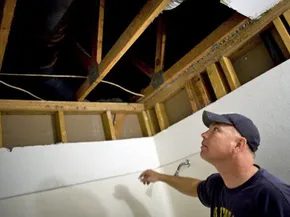
If you can smell it, it’s there. If you see it, it needs to go. While the CDC doesn’t set specific safety limits for mold levels or strains in your home, the advice is simple. “Get rid of it.” You don’t have to worry about whether it’s black mold, white mold, or something else. Treat all mold as a health risk.
为什么你可能会感到不舒服
霉菌不仅仅是一种碍眼的东西。 这是一种健康危害。 敏感的人通常会出现喉咙痛、鼻塞、眼睛发痒、气喘或皮疹的反应。 更糟糕的情况可能导致发烧、呼吸短促或严重的肺部感染。 但问题是:即使没有人生病,你也可能会发霉。 没有症状并不意味着没有孢子。
寻找隐藏的霉菌
寻找霉菌就像捉迷藏,但风险更大。 令人不安的菌落会释放孢子,这些孢子会飘入其他房间。 从可见的地方开始——墙壁、天花板、浴室、地下室、柜子内。 如果您怀疑过去的泄漏或洪水导致了隐藏的霉菌,请停止。 在撕毁地毯或切开墙壁之前先致电专业人士。
关闭暖通空调系统和风扇。 孢子的传播速度比您清理它们的速度还要快。 检查这些常见的隐藏点:
- 地毯和衬垫下
- 壁纸或窗帘后面
- 在干墙或木头后面
- 在管道上
- 内部管道系统
- 天花板瓷砖上方
如果您闻到霉菌的味道但找不到它,它可能就藏在附近。 不要忽视气味。 这是你身体的警报系统。
Cleaning: DIY vs. professional help
What is the safest way? Remove mold and fix moisture problems that cause mold. Identifying a specific type of mold is secondary. This is especially important if someone in your family has a weakened immune system or is very sensitive.
The EPA recommends hiring a professional if the mold is larger than 10 square feet. If it is smaller than 3 x 3 feet, you can handle it yourself. Exception: If it is contaminated water, get help. Contact your local health department for guidance on complex cases.
Prepare before you start
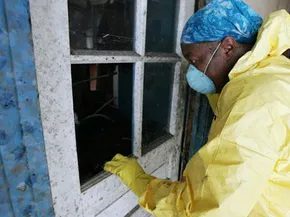
Don’t wing this. Needs protection.
- Masks: N-95 masks trap spores. You can buy it at hardware stores.
- Goggles: No vents. Spores can also get into the eyes.
- Clothes: Long sleeves and gloves. Keep skin covered.
- Gloves: If you use bleach, use natural rubber, PVC or neoprene. Latex breaks down.
何时扔掉东西
有些材料就是无法保存。 地毯、室内装潢、天花板和其他多孔物品会吸收水分和霉菌。 擦洗并不能解决问题。 气味挥之不去。 风险依然存在。 Pitch them.
霉菌即使死了也很危险。 死亡的孢子仍然会引发过敏。 不要只是喷洒杀菌剂然后走开。 彻底清洁。 丢弃受污染的材料。
DIY Mold Removal Steps
For small jobs, proceed as follows:
- Turn off air flow: Turn off air conditioning/heating. Stop all fans.
- Area Control: Place a plastic sheet around the work area.
- Remove porous items: Plastic bags or wrap carpets, drywall and insulation.
- Scrub Surface: Use 1 cup of bleach to 1 gallon of water, detergent and water or a commercial cleaner.
- Vacuuming: Use wet and dry vacuum cleaners. Scrub it clean afterward.
- Let everything dry: Moisture can cause mold to appear. Use a dehumidifier if necessary.
- Wash your clothes: Hot water can kill spores in fabrics.
- Waste Disposal: Dispose of plastic sheets, masks, and all uncleaned materials.
Still not sure about testing? This is your next step.
Once the physical work is done, there is no immediate threat of active mold. But is it really gone? The Centers for Disease Control and Prevention (CDC) does not distinguish between different types of mold when it comes to mold removal. Their position is clear. You need to remove them all and do it fast. With this general guideline, testing your home before you start scrubbing is rarely a priority. You can usually tell if mold is present when you see or smell it.
However, testing is important in certain situations to ensure that the cleaning was successful. If you want to make sure that your property is mold-free after all the hard work, there are three ways you can choose.
DIY mold test kit
The most convenient option is to buy a home test kit. Follow the instructions to collect the sample and mail it to the lab. The process seems simple. Reality is messy.
These kits range in price from about $40 to over $200. Reliability is a bigger issue. In a 2006 review by Consumer Reports, four popular home mold testing kits were tested. None received a recommendation. The mistakes are serious. Some kits do not have an expiration date, which may affect the results. Others are difficult to use and lead to user errors. These kits often provide a false sense of security unless you are willing to pay for a lab that may not produce usable data.
Professional mold assessments involve specialized equipment and detailed testing that homeowners don’t have access to.
Hiring a Professional Assessor
If you want a clear answer, hire an expert. A certified mold inspector use equipment and testing methods that go far beyond a consumer kit. This approach can be used when specific information is needed about what species are present and whether the spore count is within a safe range.
There is a catch. You should check the company carefully. Not all “mold companies” are the same. Check with your state’s contractor licensing board to see if the company is specifically licensed for mold remediation. If you are recovering from a major water disaster, such as a hurricane or flood, contact the Federal Emergency Management Agency (FEMA) or your local public health department for a list of vetted professionals.
The DIY Monitoring Approach
There is a third option. You can also skip formal testing and rely on observation. After cleaning, monitor the area and your family. This approach requires diligence. You need to check for recurring odors, visible signs of growth or new respiratory issues.
Your nose is a useful aid, even if a bad smell is the first warning of a problem. By sniffing the treatment area regularly, you can measure the success of the cleaning without spending a single cent on the laboratory. This method is most effective when the initial damage is limited. In case of large-scale infestations, it is safer to have it checked by an expert.
Keeping Mold Away
The best remedy for mold is prevention。 您无法让您的家 100% 免受潮湿影响,但您可以大大降低污染风险。 目标是阻止霉菌生长所需的水。
Control Indoor Humidity
霉菌在高湿度下繁殖。 力争将室内相对湿度保持在 30% 至 50% 之间。 您的空调系统自然会对此有所帮助,但在潮湿的气候或季节,您可能需要专用的除湿机。 从五金店购买便宜的湿度计。 把它放在最有问题的房间里。 定期检查读数。 如果它保持在 60% 以上,您就需要进行干预。
Manage Ventilation and Condensation
日常活动中的水分需要排出。 在浴室和厨房使用排气扇。 在淋浴和做饭时运行它们。 确保它们通风到外面,而不仅仅是进入阁楼。
对您的房屋进行隔热以控制冷凝。 寒冷的表面,如管道或外墙,会导致空气中的水蒸气凝结成液体。 这滴水滴就是霉菌的食物。 适当的隔热可以使表面更接近室温,防止形成冷凝。
Fix Leaks and Dry Spots
水侵入是霉菌生长的主要驱动力。 立即修复泄漏。 不要等到滴水变成污渍。 如果东西弄湿,请在 48 小时内擦干。 霉菌会开始在该窗口内的潮湿材料上生长。 使用风扇、打开窗户或除湿机来加速干燥过程。
Exterior Water Management
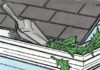
水管理从外部开始。 对您的景观进行分级,以便水从您的地基流走。 保持排水沟和落水管没有杂物。 堵塞的排水沟溢出,浸透了你家旁边的土壤。 这些水分会渗入地下室和爬行空间,形成隐藏的霉菌天堂。
Air Circulation and Maintenance
促进良好的空气流通。 天气允许时打开窗户。 打开很少使用的区域(例如客房或壁橱)的内门。 停滞的空气可以让湿度稳定下来。
最后,维护您的暖通空调系统。 定期清洁空调的滴水盘。 这些锅会积聚冷凝水,成为霉菌和细菌的滋生地。 在季节性维护期间清空并擦洗它们。
Common Questions
What are the signs of toxic mold exposure in pets?
像人类一样,宠物也会遭受霉菌暴露的困扰。 注意呼吸困难、食欲不振、嗜睡和无法解释的行为变化。 如果您的宠物看起来不舒服并且您怀疑有霉菌,请咨询兽医。
Can cleaning visible mold guarantee its complete removal?
不会。清洁可见的霉菌可以消除表面生长,但孢子可能会滞留在空气中或嵌入多孔材料中。 为了彻底清除,特别是在大规模侵扰的情况下,通常需要专业评估和补救。