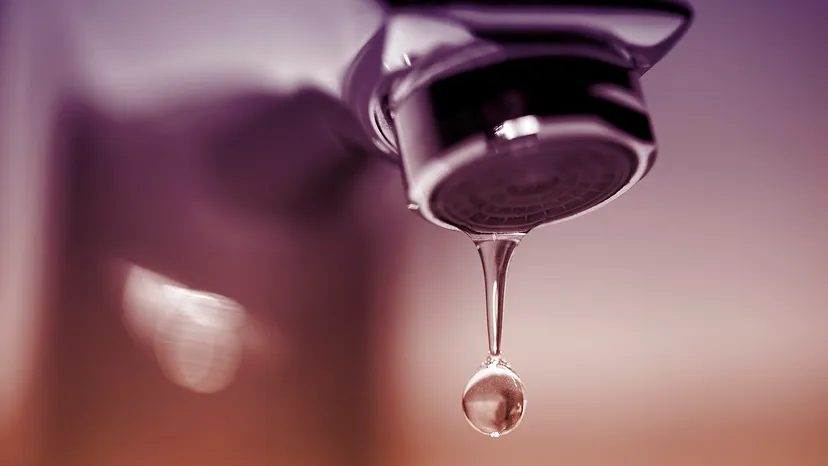
One dripping faucet can save you thousands. Or so the old winter advice goes. But does it actually work?
The Insurance Information Institute says burst pipes are a leading cause of home damage during cold snaps. The average claim for homeowners tops $10,000. Business owners face even steeper bills, averaging $27,000 per claim. Sometimes, it reaches into the millions.
So, is letting a tap run really a viable strategy?
It is, but only if you do it correctly. The goal isn’t to keep water moving to stop freezing. That’s a myth. Water can freeze even when it’s flowing. The real reason a dripping faucet works is pressure relief.
When ice blocks a pipe, water trapped behind it expands. This builds massive pressure. If that water has nowhere to go when temperatures rise and the ice thaws, the pipe bursts. A dripping faucet provides an escape valve. It lets the built-up pressure bleed off.
How It Actually Works
Pipe joints are weak points. Metal and plastic pipes stress at almost any point when water expands upon freezing. The damage often happens during the freeze, but the catastrophic leak occurs during the thaw.
If a pipe is frozen completely shut, leave a faucet open. Even if there’s no visible drip. You just need a path for the water. When the ice melts, that water needs a place to go. Otherwise, the expanding ice blockage and the incoming water pressure will tear the pipe apart.
Set the drip at the faucet furthest from your main water source. This ensures water flows through the longest stretch of pipe. If you’re not sure where the main line enters, just pick any faucet.
When to Start the Drip
You don’t need to wait for a blizzard. Start when temperatures hover near or below 20 degrees Fahrenheit (-6 degrees Celsius).
Focus on vulnerable areas first. Pipes in unheated spaces like attics, garages, basements, and crawl spaces mimic outdoor temps. They freeze faster.
Pay attention to pipes running along exterior walls. Insulate them now. If your kitchen or bathroom sink sits on an outside wall, open the cabinet doors. Let warmer air from the rest of the house reach those pipes.
Know Your Shut-Off Valve
Prevention is better than a fix. But prevention sometimes fails.
Locate your main water shut-off valve now. Don’t wait until water is spraying across your floor. It’s usually where the main line enters the house, sometimes near the exterior meter.
Knowing how to turn this off quickly turns a flooding disaster into a minor cleanup. It saves money. It saves drywall.
“If you’re escaping from the cold during the wintry months, don’t forget to turn off the water main before you head out.”
Frozen Pipe FAQ
Do frozen pipes always burst?
No. Pipes don’t burst automatically. They burst when there is actual internal damage or when water thaws after being solidified for too long. The expansion creates stress. The thaw releases the pressure. That combination breaks the pipe.
Does a dripping faucet help unfreeze pipes?
It doesn’t unfreeze them. Water in motion can still freeze, especially if it’s slow-moving. The drip is for pressure relief after thawing begins, not to prevent freezing entirely.
Does insurance cover burst pipes?
Most policies don’t cover the cost to repair the pipe itself. They often cover the resulting water damage. Check your specific provider. Coverage varies.
At what temperature do pipes freeze?
Pipes start to freeze when the outside temperature drops below 20 degrees Fahrenheit. Colder than that, and even flowing water can freeze.
How do you find a frozen water pipe?
Look at your faucets. If a specific faucet has no water, the freeze is likely between that tap and the main supply. If all faucets are dead, the blockage is probably in the main line near the entry point.


