




















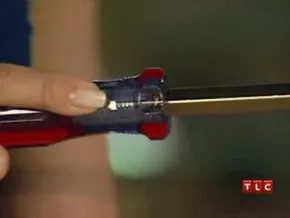
Вас бісить, коли викрутка вискакує. Вона зриває голівку, залишає подряпини на дереві і псує вам ранок. Але ось у чому річ. Це дратівливе вискокування було помилкою. Це була головна ціль.
Генрі Філліпс винайшов хрестову головку гвинта у 1930-х роках, щоб прискорити складальні лінії в автомобільній промисловості. Йому потрібна була кріпильна деталь, яка б витримувати високий крутний момент, не прослизаючи. Результат змінив те, як ми будуємо все: від автомобілів до полиць IKEA. Розуміння історії та інженерії хрестового гвинта Філліпса пояснює, чому ваші проекти поводяться саме так. Це не просто випадкове розчарування. Це фізика, що зустрічається із заводською ефективністю.
Як конструкція із самовирівнюванням прискорює складання
Головною перевагою головки Філіпса є вирівнювання. Ви опускаєте біт у паз. Він знаходить центр. Ви натискаєте вниз та повертаєте. Сила залишається точно посередині.
Порівняйте це із плоскою головкою. Одне вагання, і лезо вислизає з єдиного паза. Ви отримуєте гвинт, вкручений під кутом. Ви отримуєте зазубрину на заготівлі. З хрестоподібною формою інструмент залишається заблокованим на місці, доки ви докладаєте зусилля. Ця функція самовирівнювання була золотою для робітників на складальних лініях у 1930-х роках. Вони не мали часу возитися з вирівнюванням. Їм потрібна була швидкість. Філліпс надав її.
Чому вискакування вашої викрутки – це функція
Це та частина, яка зводить з розуму любителів DIY. Ви закручуєте гвинт. Опір наростає. Потім “вжик”. Викрутка вистрибує. Гвинт не повністю втоплений. Ви лаєте свої інструменти.
Філіпс називав це “вискакуванням” (camming out). Головка викрутки спроектована так, щоб вислизнути з паза, як тільки буде досягнутий певний поріг моменту, що крутить. Це запобігає перетяжці. У заводських умовах це має значення. Перетяжка зриває різьблення, ламає деталі чи роздавлює тендітні компоненти. Вискакування забезпечує узгодженість. Кожен гвинт отримує однакову кількість сили.
Чи призначав Філліпс це для вашої гаражної верстата? Скоріш за все, ні. Його цікавили автомобільні шасі. Але механізм лишається. Він захищає матеріал від руйнування надмірним крутним моментом. Він також рятує сторони паза від руйнування, якщо ви продовжуєте повертати після того, як гвинт затягнутий.
Патентна війна та ім’я, яке прижилося
Генрі Філліпс запатентував гвинт і конкретну форму викрутки у 1936 році. Він був із Портленда, штат Орегон. Він очікував, що автомобільна промисловість швидко прийме його. Вони цього не зробили. Потрібні були роки. Але зрештою переваги в ефективності стали незаперечними.
До 1949 року конструкція стала настільки поширеною, що патент минув. Технологія стала надбанням громадськості. Кожен міг їх виробляти. Однак ім’я Філіпс залишилося. Воно стало загальним терміном для хрестового гвинта, подібно до Kleenex або Ziploc. Людина, яка стоїть за винаходом, в основному забута зараз, але її хрестоподібний паз є на кожній полиці, рамі та пристрої, якими ви володієте.
Так що наступного разу, коли ваша викрутка вискакує, не злиться. Просто зрозумійте, що ви використовуєте інструмент, розроблений для ефективності заводської 1930-х років. Можливо, наступного разу візьміть квадратний привід, якщо вам потрібний більший контроль. Або просто прийміть вискакування. Це запобігає поломкам.