Weeding sucks.
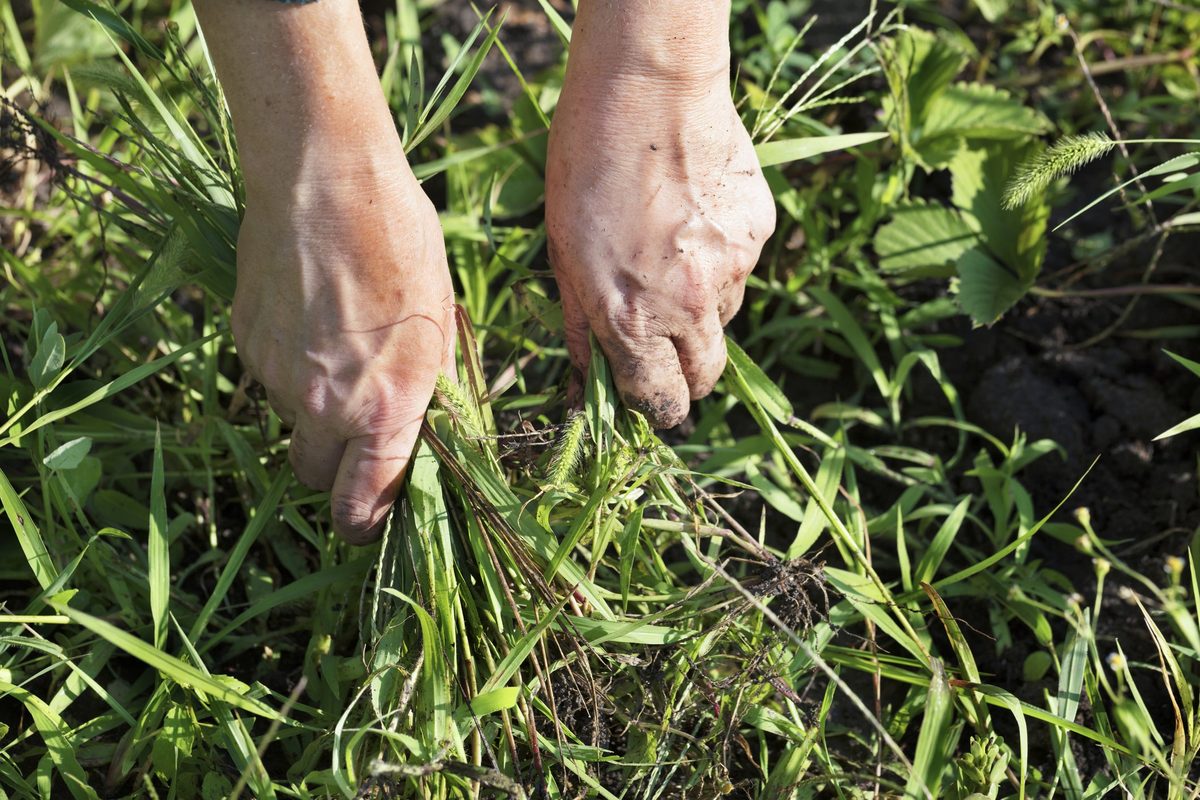
You know it. I know it. You pull them, your back screams, and two days later? They’re back. Thicker. Meaner. It feels less like gardening and more like a losing battle against a hydra.
Most people grab a hoe or reach for chemicals. Both options are traps. One breaks your spine, the other breaks your soil.
There is a third way.
It’s not magic. It’s biology. You stop fighting the green noise and start using it. Ground cover plants are the cheat code for a weed-free yard. They don’t just sit there looking pretty. They actively suffocate the weeds. They hold the soil in place. They feed the bees. And best of all? They make you stop pulling weeds by Tuesday afternoon.
Зміст
Why Ground Cover Beats Constant Weeding
Think about what a weed actually wants. Sun. Space. Moisture.
When you leave bare dirt exposed, you’re inviting every weed in the county to move in. The soil is naked. It’s vulnerable. Wind blows seeds in. Rain splashes them in. They root fast.
Ground cover changes the geometry of the problem.
Once you plant a dense carpet of living plants, the weeds lose their foothold. The leaves shade the soil. No sun means no seed germination. The roots tangle together, locking the earth down so nothing else can pry its way in. It’s an ecological blockade.
You aren’t just killing weeds. You’re out-competing them.
Nature abhors a vacuum. Bare soil is a vacuum. Fill it.
Which Ground Cover Plants Actually Work?
Not every low-growing plant qualifies. Some are lazy. Some grow slow. You need the aggressive ones. The ones that spread like a rumor.
Here are the heavy hitters that actually deliver on the promise.
Creeping Thyme (Thymus serpyllum)
This is the classic. It smells amazing when you step on it. It forms a tight mat that blocks light effectively. It likes full sun and dry feet. If you have a sunny patch that gets walked on occasionally, this is your guy. It flowers in summer, too. Purple or white blooms. Good for pollinators.
Sedum (Stonecrop)
Succulent leaves. Water-wise. Tough. Sedum varieties like Sedum spurium or Sedum kamtschaticum are relentless. They spread fast. They handle poor soil. They don’t care if you forget to water them. Perfect for rock gardens or dry slopes where other plants give up.
Vinca Minor (Periwinkle)
Shade lover. If you have that dark, damp corner under the oak tree where nothing grows except moss and misery, Vinca takes it. It spreads via runners. It gets dense. Some people say it’s invasive. They’re right. But if you want a weed-free zone in the shade, it works. Just don’t let it escape into the neighbors’ yard.
Creeping Jenny (Lysimachia nummularia)
Bright yellow-green leaves. Likes moisture. This one moves fast. Maybe too fast. It’s great for borders or near water features. It chokes out weeds aggressively. You have
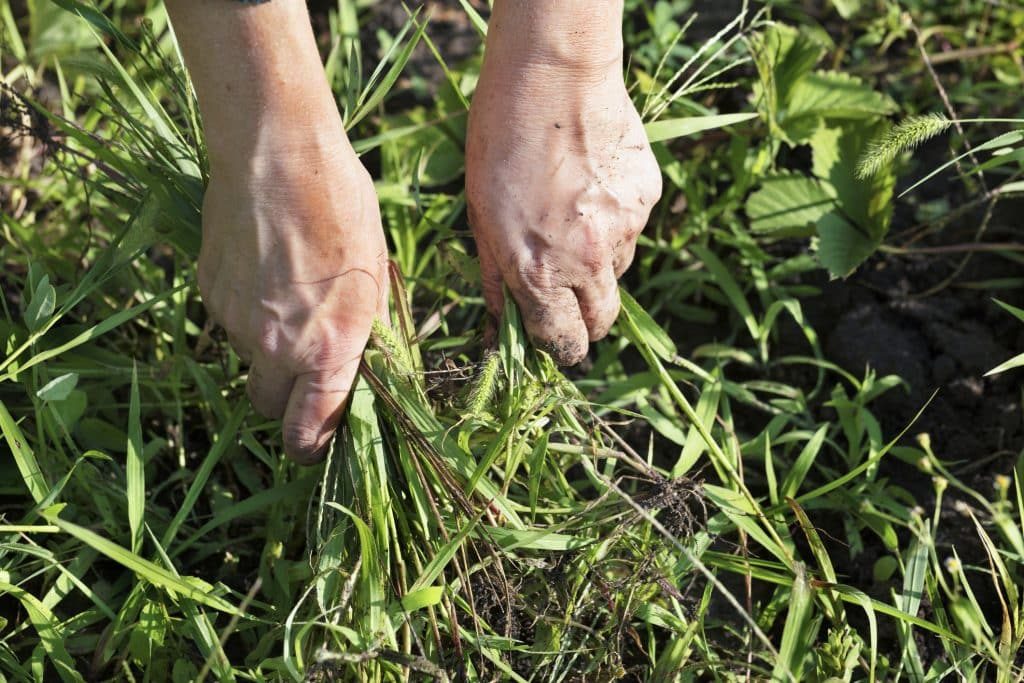
How ground covers stop weeds before they start
Pulling weeds by hand is a losing game. You pull one, two grow back. It is exhausting, repetitive, and frankly, a waste of Saturday mornings. There is a better way to kill the competition.
Plant ground covers that replace weeding.
These low-growing plants don’t just sit there. They form a dense carpet. This living blanket blocks sunlight from reaching the soil. Weed seeds need light to germinate. No light means no weeds. It is that simple.
The plants grow fast. They spread out. Their foliage stays green and thick. This creates a physical barrier that stops adventices from finding a foothold. You stop fighting for space. The plants win by default.
But it is not just about choking out invaders. This dense layer protects the soil itself. It stops erosion when rain hits hard. It keeps moisture in the ground longer. It even feeds the dirt as leaves drop and decompose. You get a structured, tidy look without the constant labor.
Why ground covers are lower maintenance than grass
Think about your lawn. Mow it. Fertilize it. Water it. Maybe treat it for fungus or bugs. It demands attention every single week.
Ground covers are different.
Once they are established, they mostly take care of themselves. They tolerate tough conditions. Dry spells? They handle it. Poor, rocky soil? They often thrive there. Deep shade where grass turns yellow and dies? Many ground covers love the dark.
Some varieties can even take a footstep. If you have a path that gets occasional traffic, you might not need pavers. You can plant a tough ground cover and walk on it. It acts as a natural, resilient lawn alternative. You trade the lawnmower for a trimmer, and only use that trimmer once or twice a year.
The soil cover replaces grass while offering a look that feels more natural and lasts longer.
Which ground cover plant fits your specific spot?
You cannot just pick a plant at random. The right choice depends entirely on where you live and what your land looks like.
Check your exposure first. Is the area full sun? Deep shade? Partial light? A plant that loves the sun will burn in the shade. A shade lover will scorch in direct light.
Look at your soil. Is it clay? Sandy? Rocky? Most ground covers are forgiving, but some prefer specific textures. If your soil is poor, choose a plant that is used to hardship. Do not try to force a delicate specimen into a harsh environment.
Consider the climate. If you get hard freezes, you need hardy plants. If you have mild winters, you have more options. Get the species right, and the plant will grow. Get it wrong, and you will spend all year trying to keep it alive.
Why this helps bees, bugs, and your water bill
There is an ecological angle here. It matters.
When you stop tilling the soil and stop spraying herbicides, the ecosystem wakes up. Ground covers create a habitat. Bees land on the flowers. Butterflies rest on the leaves. Beneficial insects hide underneath. Even earthworms like the stable environment. This biodiversity keeps the garden healthy. It balances itself out.
Then there is the water factor.
Bare soil dries out fast. The sun hits the dirt, moisture evaporates, and you run the hose. Ground covers trap that humidity. The roots hold the water. The leaves shade the soil. You water less. In summer, when water restrictions hit and bills spike, this matters.
It also stops runoff. Heavy rain usually washes topsoil away. The plant roots hold the dirt in place. The leaves break the force of the falling water. Your slopes stay stable. Your garden beds stay rich.
Stop weeding. Start planting.
If you want a garden that doesn’t demand your every weekend, look at the ground.
Ground covers that replace weeding are the answer. They look good. They last. They protect the soil. They save water. And they stop the weeds from ever getting a chance to grow.
You do not have to choose between a messy yard and a high-maintenance lawn. There is a middle ground. Literally.
Pick the right plant for your soil. Plant it. Let it spread. Then go do something else.