Everyone has a name for it. Toilet. Loo. Water closet. Restroom. Bathroom. No matter what you call it, people use it. But how that usage happens differs wildly depending on where you are on the map. Bathroom technology is not a universal standard. It is a regional habit.
In much of the Eastern world, you will find squat toilets. These are often porcelain-lined holes in the ground. Some have a flushing mechanism. Most do not. You usually bring your own toilet paper. In Europe, the bidet is king. It sprays a stream of water to clean the genitals after use. Then there is the United States. Most of us use a flush toilet. We sit down. We use paper. We move on.
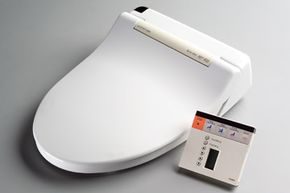
But some companies are challenging that status quo. Japan-based Toto has started a revolution. They are combining the bidet with the Western toilet. The result is the Toto Washlet. It is a unit that fits onto standard flush toilets. It gives you the comfort of a sit-down seat. It adds the cleansing rinse of a water jet.
The High-Tech Seat Revolution
The Washlet is not just a nozzle. It is a complete overhaul of the bathroom experience. There are four models available in the U.S. right now. The cost ranges from about $880 to more than $2,200. Price correlates with features. The more you spend, the more bells and whistles you get.
Users can opt for a simple version. The C110 model includes rear- and front-cleansing options. It has water pressure and temperature control. The seat is heated. That is it. Clean. Simple. Effective.
The most advanced model is the S400. It includes all the C110 perks. Then it adds a warm-air drying feature. An automatic air purifier. An auto-flush option. The list of key features is long. The Washlet can be customized for even the pickiest user.
“The gentle spray of water offers a more hygienic cleaning than a wad of triple-ply toilet paper does.”
Proponents argue that the spray is more hygienic. Paper is dry. It wipes. Water washes. It removes. It is cleaner. Skeptics question whether a machine is as easy to clean off as your hands. How does the high-tech seat know when it is time to rinse? Will Americans, who have been reluctant to use bidets, open this advancement with open arms? We will find out. But first, we need to look at the European device that helped inspire the Washlet to begin with.
History of the Bidet
The word “bidet” was first used around the 16th century. It referred to pet ponies. French royalty kept these ponies. As a receptacle that people straddle, the bidet is believed to have been an invention of French furniture makers. The late 17th or early 18th century. No single inventor gets credit. It was a gradual evolution.
Throughout the 18th century, only the wealthiest European homes had bidets. They were luxury items. Decorations included rosewood veneer. Gilded bronze. Crystal flakes. Marie Antoinette set off on her journey from Vienna to France in 1760. Her coach was equipped with a bidet. It was decked out with red velvet and gold embroidery.
People bathed their whole bodies only about once a week. The original bidet was nothing more than a bowl with water. You splashed it onto your genitals by hand. It cleaned sensitive areas between regularly scheduled baths. Conservatives of the time worried about the bidet’s popularity. They thought it could lead to an increase in promiscuity. People began to take better care of their private parts.
The toilet had existed at least since 2500 B.C. But the bidet got people thinking differently about cleanliness. This new interest in hygiene made people realize that hands and faces were not the only parts of the body that needed to be washed.
From Bedroom to Bathroom
European plumbing improved in the 1900s. Bidets were mechanized. They moved from the bedroom into the bathroom. Most Americans were not exposed to bidets until the late 1930s. World War II soldiers began visiting French brothels. They saw them. They learned about them.
Why did bidets become popular throughout Europe, some Asian countries (Korea, Japan, and Taiwan), and even South America? But not the States? There is no definite answer. Some speculate that installing a bidet in addition to a toilet requires too much space. Or that Americans simply were not accustomed to the idea. They saw no need to change their habits.
The electronic bidet hit the market in 1960. It combined the bidet with the toilet. It slowly began to make its way into American culture. The Toto Washlet is a more advanced version of the electronic bidet. It has sold more than 17 million units worldwide since the product’s release in 1980.
The Washlet arrived in the United States in 1990. U.S. sales figures have since increased. Can they continue to engrave themselves into American bathroom culture? Let’s find out.

Check your toilet shape first. The Washlet isn’t a full replacement. It’s a high-tech seat that mounts directly on top of an existing bowl. You can use it with many brands, not just Toto. Visit the manufacturer’s site before buying. Shapes vary. Round. Elongated. One-piece. Two-piece. Each requires a specific fit.
Clearance matters. Measure 1.75 inches minimum. This is the space between the tank front and where the seat bolts go. If your tank sticks out too far, the unit won’t sit right. No wiggle room there.
Power is non-negotiable. You need a grounded electrical outlet. Keep it within 3 feet of the toilet. The controls are automated. They need juice. A professional plumber can handle the hookup. Or you can DIY. Instructions come with the box. It’s possible if you’re handy.
How the Toto Washlet Internal Components Work
The hardware is modular. Here is what you are dealing with.
- Heated seat and lid. This sits on your current toilet. It warms up. That’s the main draw for many.
- Water filter and drain. Attaches behind the unit. It supplies the spray wand. Filtration is key here.
- Water supply hose. Connects the unit’s port to your toilet’s rear water source. Standard plumbing connection.
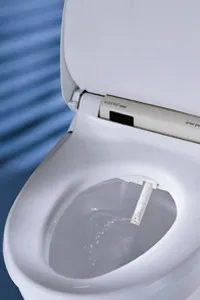
- Jet spray wand. Hidden underneath the lid at the back. It sprays water up at you. On command.
- Control panel or remote. Some models have wall-mounted remotes. Others have a panel right next to the seat. You control pressure. Temperature. Stream location.
Hygiene is built into the design. The self-cleaning nozzle is a major feature. It extends. Passes through a sheet of water. Retracts. Cleanses again. The wand is antimicrobial plastic. It has a silver ion coating. This fights microorganism growth. Sensors or the remote trigger the cycle. Less manual cleaning for you.
Is the Toto Washlet Good for the Planet?
The pitch is simple. Less toilet paper. Americans burn through 36.5 billion rolls a year. That’s 15 million trees. The production process guzzles 473 billion gallons of water. Packaging adds more energy costs. Shipping adds more.
Sewer systems hate toilet paper. Clogs are frequent. Emptying pumps require constant energy. Bidet advocates argue the paper is the enemy here. You might still use paper after the bidet. Just less of it.
Water usage for the bidet itself? Toto claims under a gallon per day for an average family. You control the cycle length. It can be 20 seconds. Water usage runs 9 to 30 ounces per minute for front or rear cleanses. This is separate from flush water. You aren’t saving gallons on the flush. Just the wipe.
Energy efficiency is another selling point. You can set a shutdown timer. Three hours. Six. Nine. Prevents wasting power when you aren’t home. But consider the full lifecycle. Manufacturing the unit takes energy. Shipping it takes fuel. Each use burns electricity and water. It’s not zero-impact.
Health and Sanitation Concerns
Is it sanitary? Wiping isn’t perfect. Hands often miss spots. Germs spread. Bidets wash. They rinse.
Experts warn about bacteria in the spray faucet. Infections can happen if the nozzle gets dirty. The self-cleaning feature mitigates this. The silver ion coating helps. The water jet might be soothing for rashes. Hemorrhoids. Rough skin from over-wiping. It can relieve symptoms of urinary tract infections. Inflammatory bowel diseases too.
It’s a trade-off. Initial cost and installation effort versus long-term paper savings and potential health benefits.
Other Toilet Advancements
The Washlet isn’t the only game in town. Technology is moving fast.
Self-contained composting toilets. They work like composting food scraps. Bacteria in the waste break down excrement. No water used. Zero flush. Just natural decomposition.
Sani-Seats. These are attachments like the Washlet. But they clean themselves. A sensor detects a user. A fresh surface of high-density polyethylene rotates into place. Heavy plastic. Hygienic. When you’re done, the cover rotates clockwise. The used portion is destroyed. Never used again.
Self-cleaning single stalls. These are massive machines. Cost around $500,000. They clean themselves top to bottom in two minutes. They appeared in the US in the early 2000s. They failed. Too costly. Most were removed.
Innovation continues. The next toilet might be better for the planet. And your bottom.
where to start with bidet research and resources
if you have been convinced by the previous sections that your current bathroom routine is outdated, inefficient, or just plain unhygienic, you are likely ready to dive deeper. the internet is flooded with opinions on everything from manual sprayers to high-tech toilet seats. navigating this noise requires looking at reliable sources and understanding the specific mechanisms at play.
understanding the technology behind modern fixtures
most discussions about bidet installation and usage revolve around two main categories: standalone units and attachment seats. the standalone version is the traditional bowl-shaped basin found in much of Europe and Asia. it requires significant plumbing work. you are essentially installing a second sink next to your toilet. this means drilling into tile, connecting water lines, and ensuring drainage is handled correctly. it is a heavy renovation task.
the attachment style is far more common for homeowners doing their own work. these devices, often referred to as bidet seats or toilet trainers, sit between your existing toilet bowl and the tank. they connect to the cold water supply line. some models even have their own warm water heating elements, but most rely on your home’s existing water temperature.
when researching specific models, look at the washlet comparison charts provided by major manufacturers like Toto. these charts detail spray patterns, nozzle positions, and heating capabilities. the difference between a basic mechanical seat and an electronic one is stark. a mechanical seat uses a lever to direct water. an electronic seat uses sensors and buttons to control temperature, pressure, and oscillation.
why hygiene and health benefits matter
the push for bidets is not just about comfort. it is about health. medical sources consistently point to better hygiene as a primary benefit. traditional toilet paper wipes the surface. a bidet washes it away. this reduces the need for aggressive rubbing, which can cause micro-tears in sensitive skin.
consider the data on urinary tract infections. frequent UTIs are a common issue, particularly for women. improper wiping can introduce bacteria into the urethra. rinsing with water is cleaner. it removes residue without the friction. this is especially important for elderly individuals or those with limited mobility.
hemorrhoids are another factor. if you suffer from swollen veins in the rectal area, toilet paper can be abrasive. a gentle stream of water is soothing. it cleans without irritation. post-surgical patients often rely on this method for recovery. it keeps the area clean without the risk of infection from dry paper.
exploring alternatives and related technologies
if a standard bidet feels too drastic, there are intermediate options. the bidet health benefits include reduced water usage over time. while you might think using more water is wasteful, a bidet uses a fraction of a cup per wash. toilet paper manufacturing, transportation, and disposal have a massive environmental footprint. switching to a bidet cuts that chain entirely.
there are also self-contained composting toilets. these are different from standard plumbing. they do not use water. they rely on biological processes to break down waste. this is ideal for off-grid homes or areas with poor sewer infrastructure. however, they require ventilation and regular maintenance of the composting chamber. this is not a quick DIY fix. it is a long-term commitment to waste management.
tankless toilets are another trend. they do not have a tank. water flows directly from the supply line when you pull the handle. this saves space. it reduces the chance of running out of water during a flush. but they require high water pressure. if your home has low pressure, a tankless system might not flush effectively. you will need to check your PSI before buying.
how to evaluate your options
start by measuring your toilet. not all bidet seats fit all bowls. there are elongated models and round models. measuring incorrectly means the seat will not sit flush. this leads to leaks and instability.
check your water supply. most bidets connect to the valve behind the toilet. you will need an angle stop valve with a 1/8-inch female IPS thread. if your valve is old or corroded, replace it first. a leaking valve behind a new bidet is a nightmare to fix.
decide on power