The sun was going down. The earth becomes dust. The alternative is to let the tomatoes soak up the last of the heat and make them sweet, or pick them before the expected storm washes everything away.
It’s a classic summer dilemma. Most gardeners choose the first option. They consider themselves to be good stewards of nature. They waited for the clouds to gather.
Then it rained.
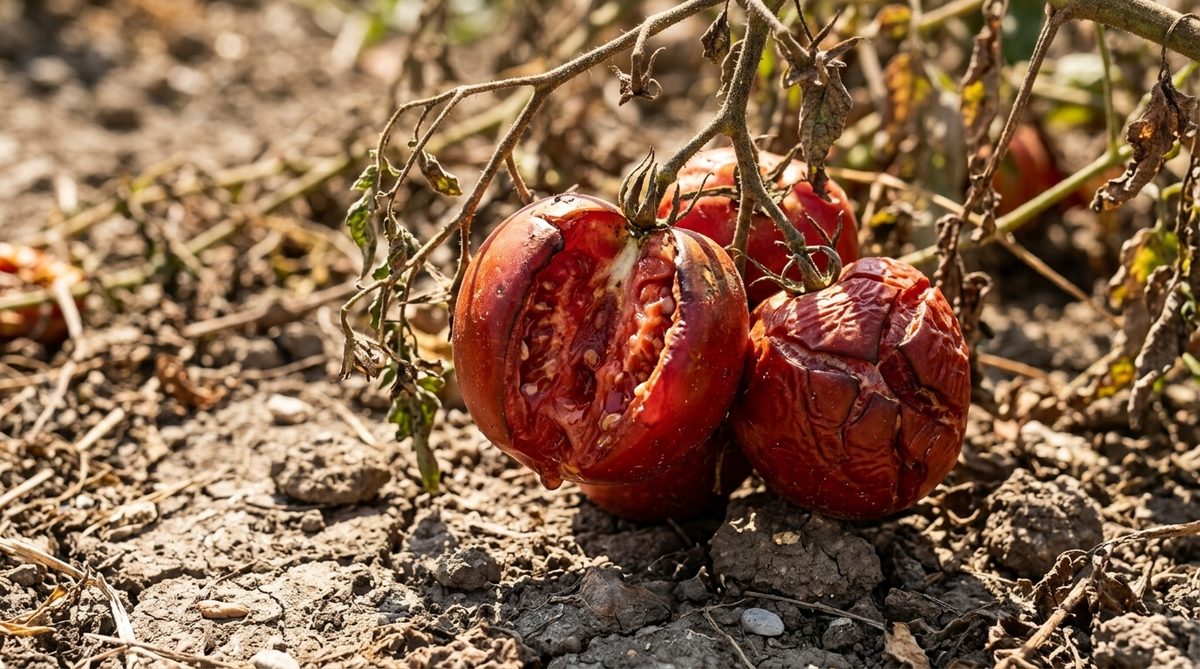
In a few hours the ground was covered with cracking tomatoes and popping melons. It’s a chaotic disaster. This situation is completely preventable if you understand the physics going on beneath the surface.
Many of us leave the fruit on the vine because we believe we are doing the right thing. We wait for “good weather”. But nature doesn’t care about our intentions. Plants can react violently when the soil hardens and the water returns suddenly.
Here’s what’s really going wrong in your garden and how to fix it before the crop turns into compost.
The hidden danger of tomatoes cracking after a heat wave
Leaving the ripe fruit on the plant is intuitive. You want top taste. You want the sugar to condense.
However, high temperatures can change the plant’s function. Metabolism slows down. Plants concentrate sugars in existing fruits. The skin becomes firmer. It becomes tense and stretch.
Then the rain returned. Or turn on the hose.
Plants absorb water at lightning speed. The skin cannot stretch fast enough. It gave way.
This is called water shock.
This is the main reason why unsightly cracks ruin promising crops. The fruit doesn’t just get wet. It expands faster than the container can contain it.
Why hardened soil prevents water absorption
The real enemy is not the rain. It is the soil structure beneath your feet.
Baking at high temperatures for several days causes the top layer of the garden bed to stick. It forms the earth’s crust. Hard and dry crust.
This layer acts like a roof. When it hits the water, it slides off the surface instead of being absorbed.
This runoff creates a confusing imbalance. Deep roots stay dry for a long time. And the water eventually breaks through cracks in the earth’s crust. The roots are suddenly attacked by a large amount of liquid for which they are not ready.
That surge extends over the stem. Straight into the fruit.
Careful watering won’t help unless you tilling that crust first. Water does not reach the roots evenly. It just drowns the fruit.
Harvest ripe tomatoes and melons before the rain
Patience is often a gardening virtue. it is a liability.
Tomatoes that have reached their final color must be removed from the vine. Although it’s not bright red yet. Even if you want to stay another week.
Select it.
The fruits ripen indoors. Place it on the counter. Leave it in a basket. It will be softer. It will be sweet. It won’t break.
The same goes for melons. Look at the stem. If it cracks or smells sweet near the stem, remove it.
If you leave a ripe melon on the vine and a storm comes, you’ll wake up to a pumpkin-sized mess. Good for slugs. Not suitable for dinner.
Essential Steps to Save Your Garden From Water Shock
You don’t have to do much. You have to do it before the sky turns gray.
Our goal is to break this seal. Let the water in slowly.
-** Loose topsoil. ** Use a hoe or hand tools. Break up the crust into pieces about 2-3 cm deep. Don’t dig too deep. Do not damage the roots. Just crack the surface.
–Mulch heavily. Use cut hay, straw or wood chips. This keeps the top layer loose. It stops the crust from forming in the first place. Retains moisture without causing flooding.
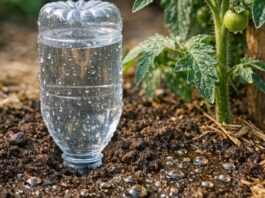
- ** Water gradually. ** do it in small amounts during rain or watering. Please do it in the evening. Give the soil time to absorb the liquid.
-** Pick everything ready. ** Don’t wait. The ripening process is completed in the kitchen.
-** Do not let the leaves get wet. ** Stress can weaken plants. After a heat wave, damp leaves can cause mold. Keep the leaves dry.
There are old gardening rules. It is better to harvest tomatoes early than to watch them split on the vine.
This rule makes perfect sense when the weather changes from hot to pouring rain in a matter of hours.
Saving a crop often requires one simple action. If necessary, use a hoe to break the crust.
Predicting water, rather than reacting to it, can change entire seasons.
With this in mind, it may be time to completely rethink how you manage your garden’s moisture. Permanent mulch. Drought-resistant variety.
The choice is yours. The crack in the tomato is just a result of not picking at the right time.