Gas prices don’t just hurt at the pump. They push down the road, through supply chains, and eventually into your pantry. Between April 2000 and April 2008, the cost of a gallon of unleaded regular gas more than doubled, jumping from $1.50 to $3.44. That spike sends shockwaves through the economy, but for homeowners and families, the most immediate pain is often found in the grocery store.
Зміст
Why Food Prices Track With Fuel Costs
It’s a simple chain reaction. Higher gasoline prices mean it costs more to manufacture goods and transport them across the country. Trucks burn fuel. Ships burn fuel. Every link in the supply chain adds a small surcharge to the final price.
It gets more complicated with agriculture. Corn and soybeans are no longer just food crops; they are fuel sources. Diverting these crops to create alternative fuels pulls them out of the food supply. Scarcity drives up the cost of any product containing those ingredients.
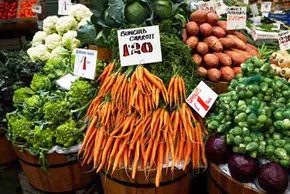
The result? A noticeable hike in the produce aisle. Iceberg lettuce went from 65 cents to 90 cents. Red Delicious apples saw a similar jump.
The protein section didn’t escape either. Ground beef prices climbed, and a dozen eggs cost twice as much as they did in the year 2000. If you think 3.9% might sound negligible, look at where you actually spend your money.
The Real Cost: Food vs. Fuel
From spring 2007 to spring 2008, the average price of goods rose by 3.9%. That number can feel abstract until you look at the budget breakdown. The average American spends about 13 percent of their total expenses on food.
Here is the twist most people miss. We actually spend about 10 percent more on food than we do on fuel. If you are fixated on gas prices, you might be ignoring the larger leak in your wallet. The grocery trip hits harder, more frequently, and with less room for negotiation.
How much money can you actually save by growing your own vegetables?
The math is less straightforward than it looks. You aren’t just planting seeds. You are buying soil, fertilizer, irrigation equipment, tools, and time. That time has value, even if you aren’t paying yourself an hourly wage.
However, the potential savings are real for high-yield crops. Leafy greens, tomatoes, peppers, and herbs cost significantly more at the grocery store than the cost to grow them. If you can harvest 50 pounds of tomatoes from a 4×8 foot raised bed, and store-bought tomatoes run $4 per pound, you have saved roughly $200 in produce costs alone.
But you have to factor in the failure rate. Plants die. Pests eat them. Frost kills them. A realistic first-year return on investment is often low. The money saved comes in year two and year three, when you have refined your techniques and know your local microclimate.
What are the most cost-effective plants to grow in a home victory garden?
Start with high-value, low-maintenance crops. These offer the best return on your square footage and labor.
- Leafy greens: Lettuce, spinach, kale, and chard grow fast. A single packet of seeds costs under $3 and can provide dozens of salads.
- Herbs: Basil, cilantro, parsley, and chives. A single plant can produce more than a year’s worth of cooking herbs. Store-bought fresh herbs are expensive and wilt quickly.
- Tomatoes and peppers: These are high-yield per square foot. One healthy tomato plant can produce 20-40 pounds of fruit.
- Zucchini: This crop is almost comically prolific. One plant can outproduce a family’s needs. You will be giving away zucchini by July.
- Garlic: Plant one clove in the fall. Harvest a full head in the summer. The cost per bulb is near zero compared to the grocery store.
Avoid low-yield, high-maintenance crops like strawberries (which require specific soil prep and pest management) or asparagus (which takes three years to produce a meaningful harvest) if you are looking for immediate financial relief.
How do you start a victory garden on a small budget?
You do not need to spend hundreds of dollars to get started. The key is to minimize upfront costs and maximize local resources.
- Use existing soil. If your yard has good soil, avoid buying bags of topsoil. Test the pH and amend with compost. Compost is often free or cheap at local farms, coffee shops, or municipal recycling centers.
- Build raised beds from reclaimed materials. Old shipping pallets, untreated lumber, or even bricks can form the structure. Avoid pressure-treated wood for food crops.
- Save seeds. Many grocery store vegetables are too old to produce viable seeds, but many heirloom varieties are. Alternatively, look for seed swaps at community gardens or local libraries.
- Start small. Do not try to feed a family of four in your first season. Start with two or three 4×8 foot beds. Add more next year if the yield is good.
Where can you find free or cheap materials for a home garden?
Check local sources before

Breaking even with backyard yields
You’re not building a hobby. You’re building a cost center that actually pays you back. Look at tomatoes again. That’s the benchmark crop. You spend roughly $15 on four plants. They give you about 60 pounds of fruit. That’s 27 kilograms.
Do the math. The Bureau of Labor Statistics pegs the retail price for tomatoes at $1.77 per pound. Your homegrown yield? About 25 cents a pound.
Bell peppers are even steeper in their favor. Six plants cost you around $12. You can harvest up to 120 pounds from that setup. That’s 54 kilograms. The store price for bell peppers hovers around $2.37 per pound. You’re looking at 10 cents. That is a massive delta.
Broccoli fits the same pattern. It’s easy to grow. You pay about 50 cents a pound for what you produce. The supermarket charges $1.37. You’re saving nearly two-thirds of the cost per unit.
Why the savings aren’t the whole story
Here is the catch. If your diet is strictly vegetarian, you can effectively insulate yourself from food inflation with a backyard plot. But most people aren’t.
Dairy is where the real pain is. The USDA projects fruit and vegetable prices will rise between 3.5 percent and 4.5 percent. Dairy is expected to jump up to 6 percent. Eggs? They are heading toward a 10 percent increase.
You can grow your own cucumbers all you want. You can’t grow an egg in your backyard. So the savings from your garden are real, but they don’t cover the entire grocery bill if you’re buying meat, dairy, or eggs.
The shift in home gardening trends
It isn’t just about the wallet. It’s about control. People want to know what’s on their plate. They want to skip the pesticides and the long supply chains.
The numbers back this up. The National Gardening Association found that vegetable gardeners increased their spending by 22 percent between 2006 and 2007. That wasn’t a dip. That was a surge.
The Garden Writers Association saw a similar move. Vegetable gardening climbed from the fourth most popular lawn care activity to the second. People are taking money out of their lawn maintenance budgets and pouring it into soil and seeds.
Modern approaches to victory gardening
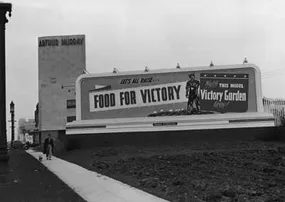
The landscape has changed since World War II. You don’t need a quarter-acre farm to make this work. You need space you already have.
Urban yards, balconies, and rooftops are all viable. The techniques have evolved to fit tighter spaces while still delivering those low cost-per-pound yields we looked at earlier.
Think about where you can fit a few tomato cages or a pepper trellis. Start small. The math still works. The savings are real. The quality is in your hands.
Start-up costs for a high-yield vegetable plot
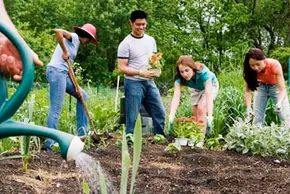
You might spend less on a home garden than you spend on grocery store produce. One gardening site puts the initial cost for a high-yield plot at around $225. That number usually covers tools and tiller rental, though you can cut those costs if you already own equipment.
Seeds are the cheapest route. If you buy transplants, choose smaller or medium-sized plants instead of large, established ones.
Where to garden when you lack yard space
No backyard? No problem. Community gardens have become a major part of urban life, with an estimated 10,000 operating in the U.S.
These spaces turn public fields, schoolyards, or vacant lots into shared plots. For a first-timer, this is often the best place to start. You get access to land and, more importantly, advice from experienced volunteers.
Container gardening for apartments and small patios
Living in an apartment or dealing with a tiny yard? Container gardening solves that. You do not need a dedicated pot. A bucket, a wash bin, or a clean trash can works.
The capacity is surprising. In a single 15-gallon container, you can fit:
– Two broccoli plants
– One cucumber
– One melon
– One snap bean
– One lima bean
You can stack multiple pots to expand variety. Themed planting works well here too. A “pizza garden” combines roma tomatoes, bell peppers, and oregano in one container.
Indoor gardening with citrus and herbs
You can bring the garden inside, especially if you have a bright window. Citrus plants often thrive indoors, but be careful with size. Standard trees get huge. The Brooklyn Botanic Garden recommends dwarf species to keep things manageable.
Varieties like mandarin oranges and Meyer lemons have a track record of doing well in home environments. Herbs are even easier. Basil, cilantro, and sage grow well indoors and add flavor to meals without needing outdoor space.
Final thoughts on starting your plot
The options range from a full backyard plot to a single pot on a windowsill. The key is matching the method to your space and budget. Start small, whether that means seeds or a community plot, and expand from there. The tools and materials are straightforward, and the learning curve is steep but manageable.