Every winter, the cycle repeats. You buy the seeds. You plant them. You wait. And then, nothing. The corn salad (mache), a staple of French winter salads, refuses to sprout. It’s frustrating. You might live in a city apartment or on a rural plot, but the result is the same: empty soil where tender greens should be.
You think you’re doing everything right. You water them. You protect them. But there is a hidden trap. It’s invisible to the naked eye. It’s the reason your seeds are sitting there, dormant or dead.
The issue usually boils down to two things: too much water and too much cold. Let’s look at how to actually get this stuff growing.
Зміст
The Germination Trap: Why Mache Is Stubborn
Corn salad isn’t being difficult on purpose. It has very specific needs. To germinate, the seed requires three things simultaneously: mild temperatures, moderate humidity, and limited light.
In the height of winter, especially in temperate zones, these conditions rarely align naturally. The sky is gray. The ground is wet. The air is cold. For the seed, staying dormant inside its hard shell is the safer bet. It waits for better days. If you force it now, you risk killing it.
The Number One Enemy: Excess Moisture
Gardeners have a habit. When they see dry soil on the surface, they water it. They think they are helping. For corn salad in winter, this is often a mistake.
Too much water is the classic winter error. It’s a silent killer.
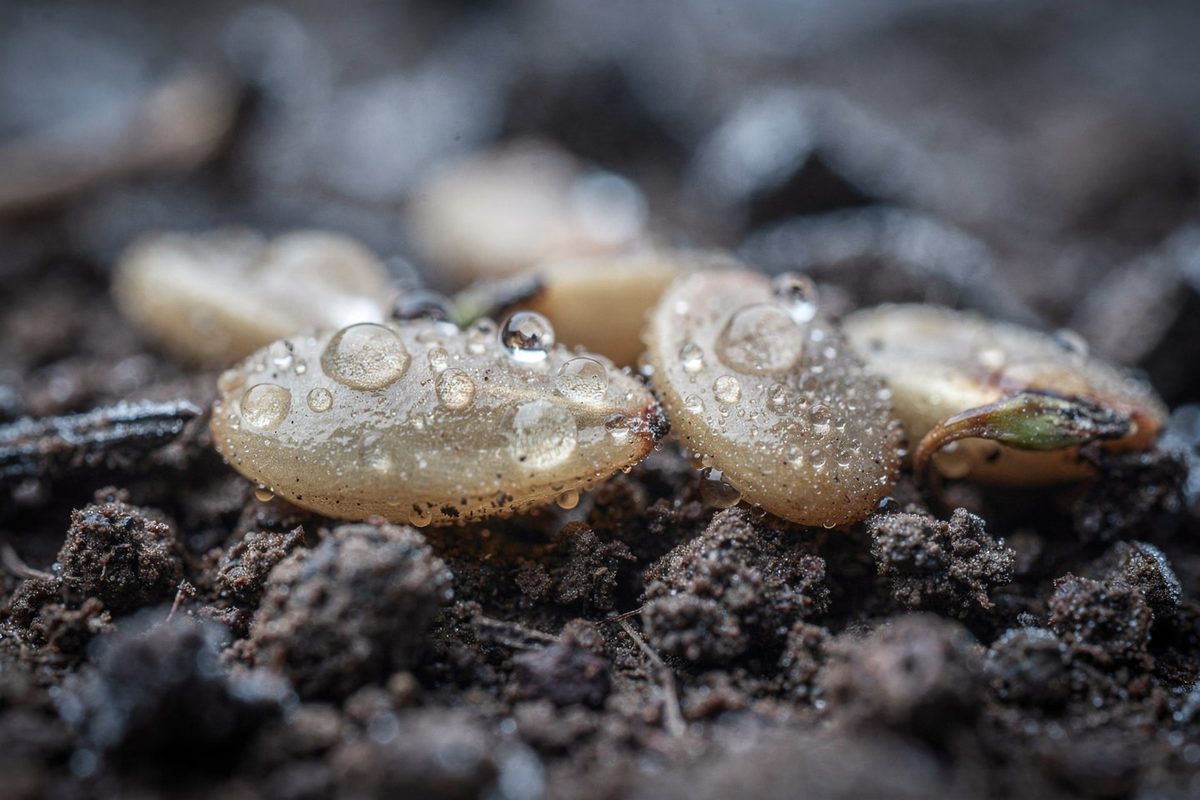
When soil stays saturated, the seeds suffocate. They rot. They become breeding grounds for fungal diseases. By the time you notice the mold, it’s too late. Think of it like a baguette left in a sealed box. It doesn’t get better. It gets soggy and bad.
Signs Your Soil Is Too Wet
How do you know if you’ve gone overboard? Look for these clues:
- The soil feels sticky or clay-like when you touch it.
- There is a dry crust on top, but the layer underneath is mud.
- You see green moss, algae, or white mold growing on the surface.
- The soil smells sour or stagnant.
- There is zero sprout activity, not even tiny root hairs.
This is especially common in planters and window boxes. Water accumulates easily. If the drainage isn’t perfect, your seeds are underwater.
The Cold Factor: When Temperatures Drop Below 8°C
Water isn’t the only problem. Cold is the other major hurdle.
Corn salad can handle some frost, but germination is a different story. The process stops completely when the soil temperature drops below 8°C (46°F). Even if the moisture is perfect, if the earth is cold, the seed will not wake up. It just sits there.
If you sow too early, or if you live in a area with harsh winters, you are likely wasting your time.
Checking the Temperature
Don’t guess. Measure it.
Buy a simple soil thermometer. Insert it into the pot or bed where you plan to sow. Check the temperature a few inches down, not just at the surface. If it’s below 8°C, wait.
If you can’t wait, create a microclimate. Sow under a cloche, in a cold frame, or on a windowsill that isn’t drafty. You need to trap a little warmth.
How to Fix Your Soil and Get Sprouts
You don’t need fancy equipment. You just need to adjust your technique. Here is how to set up the perfect environment for winter sowing.
Drainage and Aeration
First, fix the soil mix. Standard potting soil can become a mud brick in winter.
- Add sand. It improves drainage significantly.
- Mix in well-rotted compost. This lightens the texture.
- Ensure your pots have holes. If they don’t, drill some.
When you sow, don’t press the seeds down hard. Just barely cover them with soil. Compacting the soil traps water and blocks oxygen.
Timing Is Everything
Patience is a tool. Wait for a window of mild weather. If you live in a milder region, a few days around 10°C (50°F) in December or January might be enough to start germination.
If it’s freezing, save your seeds. Keep them dry and cool until the weather turns. There is no rush.
The Trick of Mulching
Mulch seems counterintuitive when you want warmth, but it works for moisture control too.
Use a light layer of dried leaves, fine straw, or even unprinted cardboard. This layer protects the seeds from heavy rain (which causes crusting and rot) and from sudden freezes. It keeps the soil moist but not soaked.
Once you see the first green shoots, remove the mulch. The seedlings need light to grow strong.
The Bottom Line
Winter gardening requires observation. Watch the soil. Feel the temperature. Don’t water out of habit. If your corn salad isn’t coming up, check for rot first. Then check the cold.
Most failures aren’t about bad luck. They’re about ignoring what the soil is telling you. Fix the drainage. Wait for the warmth. Then, and only then, will you see those tender greens emerge.
Mastering Winter Soil Conditions for Young Shoots
Getting fresh salad greens through the depths of winter isn’t magic. It is a game of moisture management and patience. You have to control the water. Too much moisture in the soil is the fastest way to rot your seeds. You must avoid excess at all costs.
Temperature is the next hurdle. Wait until the ground hits at least 8°C (46°F). If it is colder, build a temporary shelter. A simple row cover or cloche traps heat without trapping dampness. This allows the seeds to wake up while the air outside might still be biting.
The soil itself must be light. Never sow into compacted dirt. Heavy clay or packed earth suffocates young roots. You need drainage. Good aeration is non-negotiable for successful germination.
The Role of Mulch and Timing
A light layer of mulch helps. It balances humidity levels without crushing the delicate shoots underneath. Thick mulch can block light and air. Light mulch keeps the surface consistent.
Then, you just wait. Rushing the process usually leads to failure. Patience is a tool. You must prioritize the right moment over quick action.
Why Mâche Fails in Winter
The main enemies of mâche (corn salad) germination are clear. Excess water combined with severe cold creates a deadly combination. This duo blocks any hope of a harvest. If the soil is waterlogged and freezing, the seeds simply will not sprout.
But it is not impossible. A balanced soil structure makes the difference. Respecting the timing makes the difference. Even on the shortest days of the year, a prepared gardener can succeed.
Take this pause in the growing season to prepare. Tweak the soil. Plan the seed bed. Then you can enjoy the unique taste of fresh, local mâche. It tastes sharper. Brighter. Like the garden itself survived the winter.