Antiquing is a strange beast. Sometimes you hunt for years for one specific item. Other times, you stumble into a dusty corner of a thrift store and find absolute gold. The best days involve finding a two-dollar trinket and a piece of furniture worth thousands in the same trip. That thrill is real. But getting there requires more than luck. You need to know what to ask for. You need to know how much to offer. And you need to avoid looking like a rookie.
We’ve broken down the essentials. These are the ten things you need to know to start turning random finds into serious treasures. Let’s start with the basics.
Зміст
Understanding Antiquing Terminology
Before you spend a dime, you need to speak the language. If you walk into an estate sale asking for “old stuff,” you might get pointed toward the donation box. If you use the right terms, you might get the real deals.
Vintage items are generally less than 100 years old. They’re tied to a specific decade or style. Think of a 1950s teapot or a 1970s lamp. You can identify them by their look.
Collectibles are different. These are sets of like items from the same maker or period. A set of matching antique plates is a collectible. A single plate might be vintage. The set has higher value.
Classics are the archetypes. They are timeless designs that never go out of style. A leather riding boot. A simple oak chair. These items are defined by their function and form. They survive trends.
Then there’s the rest. The weird farming tools. The mysterious kitchen gadgets from the 1800s. They might not be valuable. They might just be old. But they are interesting. Don’t dismiss them. Just don’t expect to sell them for a fortune.
Age Is Good, But Condition Is King
You think age equals value. It doesn’t. Not always.
A 200-year-old chair with broken legs and missing seats is worthless. A 50-year-old mid-century modern chair in perfect condition is highly sought after. Age matters. But condition matters more.
Check everything. Look for repairs. Look for stains. Look for structural weakness. If you’re buying furniture, lift it. Is it solid? Or does it wobble? If it’s textiles, check for moth holes. If it’s metal, look for rust that goes deep.
Surface rust can be cleaned. Deep rot cannot.
Know Your Styles
You don’t need to be an expert. But you should know the difference between Mid-Century Modern and Art Deco. One is clean lines and organic shapes. The other is geometric patterns and bold colors.
Mixing them up won’t hurt your wallet, but it will hurt your confidence. When you know what you’re looking at, you can spot reproductions. You can spot fakes.
A reproduction isn’t always bad. It can be cheaper. But you shouldn’t pay antique prices for a copy.
The Art of the Ask
How you talk to the seller matters. Don’t hound them. Don’t lowball immediately. Start by asking questions.
How old is this piece?

The hundred-year cutoff is the standard line in the sand. Anything older or newer might be vintage or modern, but once you cross that century mark, you are officially in antique territory. This age doesn’t just matter for the vibe. It matters for the paperwork. Items that old are usually documented. They have catalogs. They have price estimates tied directly to their condition. You look for maker’s marks. You look for the kind of craftsmanship that machines just can’t replicate. That is how you authenticate the piece.
Where to Find Truth and Value
You cannot guess your way through this alone. Books give you the history. Websites give you the current market data. Local experts give you the gut check. Once you learn the differences between a Victorian lamp and a 1920s reproduction, spotting a fake becomes instinctive. It is fun sleuthing. But it requires research.
Is It Real or Just Value Bull?
Condition changes everything. A scratched original is worth less than a pristine one. But here is the trap. Good looking junk is still junk. If an item is authentic and well-preserved, you will see the quality in the details. The history will be visible in the wear patterns and the materials used.
If it looks perfect but feels off, check the description. Does it say “in the style of”? Does it say “influenced by” or “of the same period”? That is code for knockoff. Solid replicas exist. They have their place. But if you want a true antique, you need provenance. Ask for the story of ownership. Ask for the receipts. Without that paper trail, you are buying a decoration, not a piece of history.
Why Hagling Works in Antique Shops
Unlike big box stores, antique pricing is fluid. Sellers expect it. They built the price with room to breathe. You do not need to be aggressive. You just need to be reasonable. Look for chips. Look for missing parts. Use those flaws as your leverage. If a chair has a wobbly leg, you have a reason to lower the offer. If a vase has a hairline crack, the value drops significantly.
Start with a polite inquiry. Ask if the price is firm. Most sellers will say no. That is your opening. Offer a lower price based on your findings. Be ready to walk away. The best deals happen when both sides feel they won. You get the piece for less. They get rid of inventory that has been sitting on a shelf for months. It is a dance. Learn the rhythm.
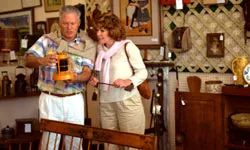
Forget the standard retail markup rules. Antique dealers don’t play by the percentage game. Their pricing is a messy mix of item condition, rarity, and what similar pieces sold for recently. It’s less about math and more about market intuition.
Dealers expect you to negotiate. In fact, many mark up items specifically to leave room for this dance. They aren’t being predatory. They’re inviting conversation. If you walk in with a rigid price in mind, you miss the fun.
Haggling isn’t stinginess. It’s the sport. You’re testing the waters to see how low the floor really is. Some dealers will bite immediately. Others will stall. Both are part of the process.
Flea Markets vs. Antiques Boutiques
Not all vintage shopping venues operate with the same rules or price points. Knowing where you are changes how you approach the deal.
Flea markets are the wild west of collectibles. You’re often talking directly to the original owner or a small-time flipper. Prices here are usually lower, but condition varies wildly. You might find a gem buried in a box of junk.
Antiques boutiques offer a curated experience. The items have often been cleaned, repaired, or authenticated. The overhead is higher. So are the prices.
| Feature | Flea Market | Antiques Boutique |
|---|---|---|
| Seller | Original owner, reseller | Professional dealer |
| Price Point | Lower, more negotiable | Higher, firm expectations |
| Condition | As-is, often dirty | Cleaned, sometimes restored |
| Atmosphere | Chaotic, outdoor | Controlled, indoor |
At a flea market, bring cash. Many vendors don’t take cards. You might save more by paying in physical bills. In a boutique, the negotiation is softer. They might offer a discount on multiple items rather than dropping the price on one.
Which venue suits your budget and risk tolerance? Flea markets require more digging. Boutiques offer convenience. Neither is better. They just serve different purposes.

You wander through the aisles. The air smells like dust and old paper. You pick up a vase. It looks right. But does it fit your home?
This is the trap of the hobby. You aren’t just buying objects. You are buying history. Or at least, the illusion of it.
Most people treat flea markets like treasure hunts. They are wrong. The popular spots are overcrowded with resellers who buy low and sell high. You are paying a premium for their labor. If you want the real deal, you have to look harder. You have to know what you are looking at.
Most shoppers focus on the item. Smart shoppers focus on the seller.
How to Verify Authenticity at Antique Shops
A pretty display case means nothing if the person behind it doesn’t know their stuff.
The shop owner is the final filter. A dusty, cluttered store can hold the best pieces. A pristine showroom might have nothing but junk. Watch how they handle the inventory.
Good dealers provide documentation. They have receipts. They have original appraisals. They call these “paper pedigrees.” If a dealer won’t show you proof of origin, walk away.
Online shopping adds another layer of risk. The Federal Trade Commission has strict guidelines for digital buyers.
- Request high-resolution photos from multiple angles.
- Get a written shipping quote before you pay.
- Confirm the return policy in writing.
- Use an escrow service to hold your money until you inspect the item.
- Never skip the paperwork.
Verifying authenticity isn’t optional. It is the only way to avoid buying a reproduction for a fortune.
Bargaining Etiquette for Antique Collectors
Listen more than you speak.
Learning the lingo helps. It signals you aren’t a rookie. But don’t flex your knowledge too early. Let the seller talk. Let them explain why their item is special.
Why do they think it’s valuable? Where did they get it?
Their answers often reveal cracks in their confidence. Or they reveal genuine passion. Either way, you learn something.
Once you understand the item, you can negotiate. If the price is fair, pay it. Respect the dealer’s business. If the price is inflated, use your knowledge to counter-offer. Be polite. Be firm.
If you haggle, you become partners in a transaction. The seller feels heard. You feel satisfied. It’s a delicate dance.
Avoiding Impulse Buys at Swap Meets
Decide your budget before you leave the house.
Stick to it.
The temptation to buy is strong. You see a chair. It’s vintage. It’s $50. You don’t need it. But it’s beautiful.
Walk away.
Circle back later. Or better yet, come back in a week.
If you still think about that chair every day, buy it then. Impulse buys clutter your home and your mind. Antiquing overwhelms the senses. You start liking everything. That’s a problem.
Focus on utility. Focus on taste. Not everything needs to be collected.
Is the Piece Practical for Modern Living?
An antique is only as good as its function.
Consider the space. Measure the doorway. Will it fit in your dining room?
Think about maintenance. Can you clean it without ruining it? Is the wood solid or veneer?
Utility determines longevity. A beautiful chair that is too small for your body is just a decoration. A table that wobbles is a hazard.
Prioritize function over form. If you can’t use it, you shouldn’t own it.
The best finds are the ones you use every day. The ones that tell a story while you sip your morning coffee.
But not every story is worth telling. Some items are just heavy. Some are just outdated.
Know the difference.
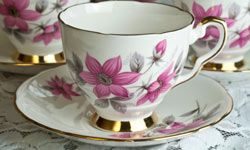
Functional vs. Decorative
Are you hunting for utility or just ornamentation? When you hit the flea markets and estate sales, the temptation is often to buy what catches the eye. But there is a difference between a “beautiful-but-useless” piece and an antique that holds its own. If you are buying a tea set or a sturdy chair, check the construction. Is it built to last another century of daily use? Or is it fragile, destined for a shelf gathering dust?
Not every well-designed item needs to be functional. Some things are just meant to be looked at. But vintage and antique pieces that are well-crafted can be as practical today as they were when they were made. Why add clutter if you can add utility with good looks?
The Value of Adoration
Some of the most non-traditional finds are the ones we fall in love with. Buying what you adore, even if it has no resale “value,” is still an investment. Think about it. This kind of antique shopping adds a story to your home. A piece with mystery and character grows with you and your family.
Paying a high price for something that matters to you in terms of beauty and longevity is a fair trade. It is an emotional investment rather than a financial one. And if the original designer’s work is out of budget, sometimes high-quality copies are available. They pay homage to the original design without the hefty price tag.
Quirky flaws can be endearing. A wobbly leg or a faded pattern might be exactly what gives the piece its soul. That is what antiquing is really about. It is not always about perfection. It is about finding something that resonates.
Where to Start
If you want to dig deeper into the mechanics of the trade, there are resources available. Understanding how to identify antique wooden furniture can save you from buying a reproduction. Learning how to find the value of old books prevents overpaying. And if you are feeling brave, tips for restoring old furniture can turn a junk pile into a centerpiece.
Sources like Encyclopaedia Britannica and the Federal Trade Commission offer consumer alerts on how to shop wisely. The FTC specifically warns about the complexities of antique purchases. Knowing what you are buying is half the battle.
Final Thoughts
How to reset vintage jewelry might seem like a separate topic, but it ties into the broader theme of preservation. These items are not just objects. They are history. Treat them with care. Whether you buy a priceless heirloom or a cheap trinket that makes you smile, the goal is the same. Find something that lasts.