You know that feeling when you tighten a bolt just a little too hard? It strips. Or worse, it snaps. Then there’s the opposite problem: it’s loose, rattling, and you realize you missed a critical step. That’s where a torque wrench saves you. It’s not just about following a manual. It’s about control.
A torque wrench measures the twist, or tension, on a fastener. It stops you from guessing. Instead, you apply a specific amount of force. This prevents over-tightening. It also prevents under-tightening. The result is mechanical integrity.
These tools are standard in automotive, manufacturing, and aerospace. But they are vital for homeowners too. If you are working on anything with moving parts or safety implications, you need precision.
Which Type of Torque Wrench Do You Need?
Not all wrenches are created equal. The right tool depends on your project.
Click type torque wrenches are the most popular. They click when the correct torque is applied. You stop turning. It’s simple. It’s reliable.
Beam type wrenches are less precise. They use a bending indicator bar. You watch the bar move. It’s okay for rough work. It’s not for critical safety tasks.
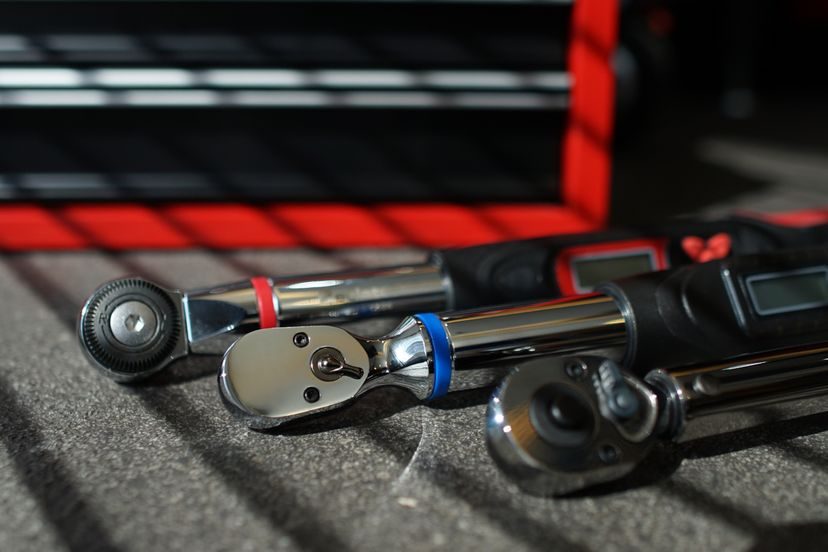
Digital torque wrenches have a screen. They show exact numbers. Use them when specifications must be exact.
Hydraulic torque wrenches are industrial grade. They use hydraulic power. They handle massive torque with pinpoint accuracy. You likely don’t need this for a home project.
Why You Need a Torque Wrench at Home
Your toolbox is probably full of regular wrenches. They work fine for most stuff. But a torque wrench is different. It generates a reliable torque reading.
Whether you are a professional engineer or a DIYer doing weekend projects, this tool ensures safety. It prevents mechanical failure.
Adding one to your kit helps you:
- Guarantee precision and accuracy
- Prevent over tightening
- Avoid under-tightening
- Ensure safety
- Ensure peace of mind
- Avoid undue damage and maintenance costs
You don’t have to be a pro to benefit from properly calibrated torque wrenches. Make space in your drawer. You will find yourself using it more often than you think.
How to Calibrate a Torque Wrench Yourself
Proper torque wrench calibration is key to usefulness. These tools are designed for accuracy. They can’t deliver without it. The process is complex. But you can do it at home.
Method 1: Using a Torque Tester
This is the professional way. You need a calibrated torque tester. It’s a device designed specifically for testing torque. Set it up according to the manufacturer’s instructions.
- Prepare the wrench : Set the torque wrench to its lowest setting. Gradually increase it to your desired calibration point.
- Apply torque : Attach the wrench to the tester. Apply force steadily and evenly.
- Read and adjust : Watch the measurements. Adjust the wrench by turning the adjustment screw on the tool.
This method is accurate. It requires investment in equipment.
Method 2: The DIY Gravity Method
You don’t have to invest in heavy-duty testers. You can calibrate without one. You need to determine the calibration ratio. Then multiply that by the required bolt torque.
Your wrench might measure in inch-pounds or foot-pounds. Pick one. Stick with it.
First, measure the distance from the center point on the wrench head to where you apply pressure on the handle. This is your first distance.
Next, clamp the wrench bit in a bench vice. Hang a 20-pound (9-kilogram) weight from the handle using a string. Move the string until the setup equals 40 foot-pounds (or 480 inch-pounds). Measure this distance from the head center to the string. This is your second distance.
Divide the second distance by the first. This gives you the calibration ratio.
Finally, set the torque wrench to the product of the calibration ratio and your required bolt torque.
When to Call a Pro
DIY calibration works for general tasks. But high-precision applications are risky. If you are unsure about the process, enlist professional torque wrench calibration services. The cost is small compared to the cost of a failed repair.
Precision, Safety, and Accuracy
From keeping vehicles safe on the road to maintaining critical machinery, the torque wrench is pivotal. It safeguards reliability.
Understanding these tools changes how you work. You stop guessing. You start measuring.
The journey through types and functionalities reveals something important. This isn’t just about tightening bolts. It’s about safety. It’s about doing the job right.
Whether you are a mechanic, an engineer, or a homeowner who takes pride in their work, this tool is your ally. It brings precision. It brings excellence.
There’s always another bolt to check. Another project to finish. The wrench is ready.