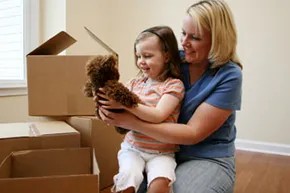
The contract is signed. The promotion is accepted. You’ve scrolled through hundreds of listings and finally narrowed the field. You’re moving. Now for the awkward part. You have to tell the kids.
Whether you are crossing state lines or just changing zip codes, change is rarely fun for children and adolescents. They don’t see the bigger picture. They just see their room disappearing. They see friends left behind. The anxiety is real.
But you can mitigate it. Your attitude sets the tone. If you panic, they panic. If you treat this like a shared adventure, they might just buy in. Here is how to handle the logistics and the emotions.
Зміст
Start with a Family Meeting
Skip the formal announcement. Order pizza. Gather everyone at the table. Keep it casual. If the move is job-related, be honest about why you took it. Explain the financial or career benefits for the family, not just you.
Share your own fears. Maybe you hated your first move. Let them know.
Then, ask them what they are worried about. Listen. Don’t dismiss the concerns. Tell them you will need their help. Packing, sorting, and settling in is a team effort. Their input matters.
Involve Them in Home Selection
If the new house is within driving distance, take them. Let them walk through the doors. If it’s across the country, send photos. Describe the neighborhood. Show them virtual tours.
Ask for their top three favorite features for each option. Make it clear you are considering their feedback. Once you pick the house, celebrate. Break the news properly. A small party helps cement the excitement before the reality sets in.
Declutter Before You Pack
Packing is heavy lifting. Decluttering is mental lifting. Do it first.
Go room by room with your kids. Identify items to keep and items to discard. It’s okay to hold onto sentimental objects. But most of the clutter? It’s just dead weight.
Don’t just throw everything away. Look at unused toys, clothes, and electronics. Can they be sold? Can they be donated? Teaching them the value of letting go is a life lesson in itself.
Host a Moving Sale
Turn decluttering into an income source. Organize a garage or yard sale.
Let the kids help. They can sort items. Inventory them. Price them. Tag them.
Use the proceeds for a family goal. Hold a meeting to vote on what the money buys. A new TV? A puppy? A trip? When the kids have a stake in the outcome, they work harder. They see the tangible benefit of getting rid of stuff.
Research the New Location
Knowledge reduces fear. Learn everything you can about the new town.
Be honest. Don’t oversell it. If the new area has quirks or downsides, mention them. Overselling leads to disappointment. Underpromising and overdelivering works better.
Encourage your kids to research too. Look up school websites. Check local magazines. Read the weekend edition of the local paper. Find community groups. Sports teams. Civic activities. Show them where they can fit in.
Plan Their New Rooms
Give them control over their space. Make room plans.
Involve them in decorating other rooms too, if they want. Go to the hardware store. Look at paint swatches. If you are buying furniture, take them shopping.
Set a budget for teenagers. Let them pick their own colors, rugs, and linens. Encourage thrift store shopping. It’s cheaper and more unique. For younger kids, work together on the vision.
When the room is done, host a “reveal.” Invite family or friends. Make it an event.
Visit the New Area
If you can, go there before the movers arrive.
If you’re moving locally, spend a day there. Walk through the new house. Tour the neighborhood. Visit the library. Check out the new schools.
If you’re moving far away, beat the moving van by a day or two. Stay in a hotel. It’s worth the cost for the peace of mind.
See the schools. Visit the YMCA. Check the community theater. Drive past your new workplace. Let them see the geography of their new life. Familiarity helps. Uncertainty hurts.
This is just the beginning. The physical move is only half the battle. The emotional integration into a new community is the real work. You’ve laid the groundwork. Now you have to follow through.
Keep the Connection Alive Before You Leave
The hardest part of a move for kids isn’t the boxes. It’s the goodbye. Anxiety spikes when friends disappear into the rearview mirror. You can buffer that shock. Host a “See You Soon” party. Invite neighbors, classmates, and family. The goal is simple: exchange contact info and take photos.
“Between texting, e-mails and phone calls, your kids should be able to maintain old friendships while transitioning to their new surroundings and making new friends.”
Don’t leave it to chance. Make sure every kid has a phone number or social handle. Snap pictures of the groups. These digital and physical reminders act as anchors. If the move is long-distance, call the other parents. Plan a weekend visit halfway point. Or meet at a neutral location for a day trip. Keeping the lines open makes the distance feel smaller.
Plot the Route and Explore Together
If you’re crossing state lines or even just moving to the next town, map it out. Pull up the GPS. Grab a physical atlas if you have one. This helps when you plan to visit old friends and family later.
Mark interesting stops along the driving route. Break up the monotony of highway miles with sights to see. It engages kids. It makes the long drive pass faster. But don’t stop there. Keep those maps for the new location.
Once you arrive, use them to plot routine routes. Let the kids help you draw the path from the new house to school. To the local park. To the mall. To the movie theater. Familiarity breeds comfort. Showing them how to get from point A to point B reduces the feeling of being lost.
Treat Your New Town Like a Theme Park
You’ve lived in the new house for a week. The boxes are mostly empty. Dust settles. Now comes the harder part. Settling into the community.
Buy a guidebook if one exists for your city. Sit down with a calendar and your kids. Plan outings. Show them what’s actually available nearby.
Maybe it’s apple picking at a local farm. Or strawberry season if that’s what’s in bloom. Hit the natural science museum. Go hiking, rafting, or kayaking at the nearest state park. The activity matters less than the engagement. You’re proving that the new hometown has fun to offer.
If your kids have met neighbors or schoolmates, invite them along. Shared experiences build bonds faster than anything else.
What Parents Ask About Moving Kids
Does moving frequently affect a child?
Yes. A 2016 study in the American Journal of Preventive Medicine found that frequent moves can negatively impact well-being into adulthood. It disrupts friendships. It increases anxiety. It often stresses parents, which reduces a child’s sense of safety.
What is the best age to move a child?
Generally, kids under 6 handle it best. They have limited capacity to grasp the permanence of the change. Their core world is the immediate family. They are resilient. They make new friends easier than older kids do.
Is moving difficult for toddlers?
It can be. They don’t fully understand the concept of moving. Talk about it using simple words. Focus on their new room. Exciting new toys. The new neighborhood. Give space for “big feelings.” Let them process the shift.
How does moving affect a child?
It disrupts security. It hinders social development. But intentionality matters. If you help them transition, and it’s not a constant cycle of moving, long-lasting effects are less likely.
What is the worst age to move a child?
Middle school. Ages 12 to 14. It’s particularly tough for long-distance moves. Friendships at that age are complex and deeply rooted. Cutting them off completely is jarring.
There’s no perfect script for uprooting a family. You just keep the lines open. Keep the maps handy. And hope the next box to unpack brings something good.