You do not need a chemistry degree to fix a broken chair, a cracked vase, or a loose cabinet handle. You just need the right stickiness. Most homeowners keep a drawer full of random glue bottles, hoping something works. That is how you end up with failed repairs and wasted money.
A small, strategic assortment of multipurpose adhesives covers 90% of household fixes. Each type has a specific job. Using the wrong one is why your repair fails in a week. Here is how to choose.
White Glue (PVA) for Simple Wood and Paper
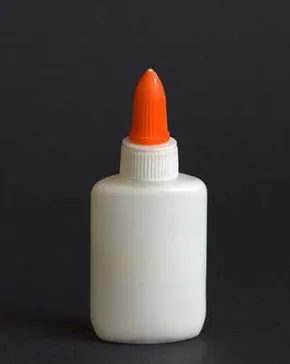
White glue, or polyvinyl acetate (PVA), is the standard for porous materials. You see it in plastic squeeze bottles at every hardware store. It is inexpensive. It is nonflammable. It dries clear.
Use it for wood, paper, cloth, and porous pottery. It works well for nonstructural wood-to-wood bonds. Do not use it where water is involved. It is not water resistant.
The process is slow. You need to clamp the joint for 30 minutes to an hour. The glue sets then. Full curing takes 18 to 24 hours. School glue is a variant of PVA that dries even slower.
Epoxy for Heavy-Duty, Waterproof Bonds
Epoxies are two-part systems. You get resin and hardener in a tube or can. You must mix them thoroughly right before use. They are expensive compared to white glue, but they are extremely strong and durable.
They are highly water resistant. This makes them ideal for metal, ceramics, some plastics, and rubber. Do not use epoxy on flexible surfaces. It will crack if the material bends.
Clamping is required for about two hours. Drying takes 12 hours. Full curing takes one to two days. The result is a clear or amber bond that can take a beating.
Cyanoacrylate for Instant, High-Strength Fixes
You know it as super glue or instant glue. Cyanoacrylate is a one-part adhesive. It forms a very strong bond quickly. It works on metal, ceramics, glass, some plastics, and rubber. Like epoxy, avoid flexible surfaces.
Apply it sparingly. A little goes a long way. You do not need clamps. The bond sets in seconds, though full curing takes one to two days. It dries clear.
Contact Cement for Large Surfaces and Veneers
Contact cement is a rubber-based liquid. It comes in bottles and cans. Use it for laminates, veneers, and large repair areas. It stays flexible when dry. This is key for leather, cloth, rubber, and vinyl.
It adheres to paper, metal, glass, and some plastics too. It is not for structural repairs needing high strength.
The application method is distinct. Apply the cement to both surfaces. Let it dry until tacky. Press the surfaces together for an instant bond. You cannot reposition once they touch. No clamping is needed. It is highly flammable, so work in a ventilated area.
Polyurethane Glue for Versatile, High-Strength Bonds
This amber paste comes in tubes. It creates a bond similar to epoxy but remains flexible when dry. It is high-strength.
Use it on wood, metal, ceramics, glass, most plastics, fiberglass, leather, cloth, rubber, and vinyl. It is translucent. You can paint or stain it after it cures.
Clamping is required for about two hours. Curing takes 24 hours. It is expensive and has a short shelf life once opened.
Silicone Rubber Adhesive for Waterproofing and Sealing
Silicone rubbers are sold in tubes. They are similar to caulk but act as adhesives. They create durable, waterproof bonds that resist extreme heat and cold.
Ideal for gutters and building materials like metal, glass, fiberglass, rubber, and wood. Also works on fabrics, some plastics, and ceramics.
Clamping is usually not required. The surface skins over in less than an hour. Full curing takes 24 hours. It dries flexible and comes in clear, black, or metallic colors.
Household Cement for Quick, Low-Strength Fixes
Household cement is a fast-setting, low-strength glue. It comes in tubes. Use it on wood, ceramics, glass, paper, and some plastics. Some varieties dry flexible, making them suitable for fabric, leather, and vinyl.
No clamping is needed. Setting time is 10 to 20 minutes. Curing takes up to 24 hours. Do not expect this to hold heavy loads.
Hot-Melt Adhesive for Temporary Bonds
Hot-melt glue comes in sticks for use with a glue gun. The gun heats the adhesive above 200 degrees Fahrenheit. For the best bond, preheat the surfaces too.
These are moderately strong bonds. They fail if exposed to high temperatures. Use them for temporary bonds of wood, metal, paper, and some plastics.
No clamping is required. Setting time is 10 to 45 seconds. Curing takes 24 hours.
Choosing the Right Tool for the Job
You do not need every glue on the market. You need the right one for the material and the stress it will face. Water? Go with epoxy or silicone. Flexibility? Polyurethane or contact cement. Quick fix? Cyanoacrylate. Wood joinery? White glue or polyurethane.
Keep your toolbox stocked with these options. The difference between a repair that lasts and one that falls apart is often just the adhesive.
“Clamping is required for 30 minutes to 1 hour to set the glue; curing time is 18 to 24 hours.” — White Glue (PVA)
Do you have a specific repair in mind? The material you are fixing dictates the glue. Wood to wood? White glue. Metal to metal? Epoxy. Plastic to plastic? Cyanoacrylate. Match the chemistry to the material.