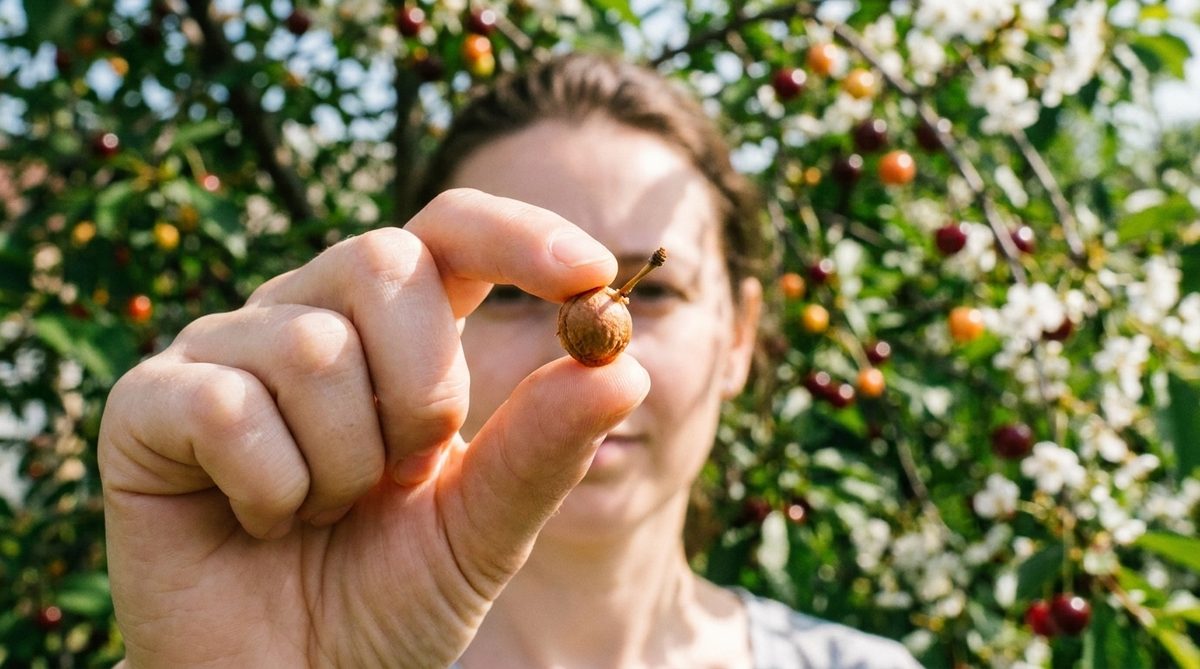
Growing a fruit tree from a dinner plate scrap feels like a gardening myth. It shouldn’t work. The pit is hard, dormant, and seemingly useless. Yet, transforming that waste into a living shrub is entirely possible. You just need a method.
When the first green shoot breaks the soil surface, the result is shocking. Skeptics assume you swapped the pit for a store-bought sapling. They’re wrong. This isn’t magic. It’s cold stratification. It’s a horticultural trick that mimics nature. It works for urban gardeners. It works for balcony growers. It works for anyone willing to wait.
The Refrigerator Strategy to Break Seed Dormancy
Nature has a rule: seeds need winter. In the wild, cherry pits fall. They sit in the dirt. They freeze. They thaw. This cycle breaks their dormancy. Without it, the seed stays asleep forever.
You can fake winter in your fridge. This process is called cold stratification. It wakes the seed gently. It prepares the embryo for growth. Do this in early spring. January or February is ideal. You are aligning the plant’s internal clock with the returning sunlight.
Here is what you need:
– Clean pits : Wash away all fruit residue. Sugar attracts mold. Mold kills seeds.
– Medium : Use coarse sand or lightweight potting mix. It must breathe.
– Container : A sealable plastic bag or a small glass jar.
Place the pits in the medium. Keep it barely moist. Not wet. Damp. Like a wrung-out sponge. Put the container in the vegetable drawer. Keep it there for six weeks. This cold treatment is the engine. It guarantees healthy germination without chemical hacks.
The May Emergence That Silences the Room
After six weeks, the cold is over. Take the pits out. Plant them in small pots. Place them where they get light but no harsh noon sun. Keep the temperature steady. Room temperature is fine.
Then, wait.
In May, something happens. A robust stem pushes up through the soil. It looks unexpected. It looks fragile, but it’s strong. Within fifteen days, the plant explodes with bright green leaves. The growth is rapid. It is startling.
Your family will stare. They will not believe a cherry pit from your lunch caused this. The metamorphosis is complete. The waste has become life.
From February Chill to Next Year’s Potted Tree
By June, the heat returns. Your care routine must adapt. These young plants are now cherry seedlings. They are viable as potted trees. You can keep them in containers for a long time.
Water them moderately. Don’t drown them. Cherry roots hate sitting in water. Use a quality potting mix. Brands like Jardiland, Leroy Merlin, or Botanic offer eco-friendly options. Look for mixtures designed for fruit trees or citrus. They provide the right drainage and nutrients.
Add a layer of organic mulch. Straw or wood chips work well. Mulch keeps moisture in. It reduces the need for daily watering. It is a huge advantage for small-space growers.
Success here depends on timing. You must respect the natural calendar. You must match temperatures to the plant’s needs. It is a rewarding process. It brings nature into your apartment. It saves money. It reduces waste.
Keep those pits this summer. Save the ones you usually toss. Next year, you will orchestrate a spring awakening. It will be strange. It will be beautiful.